Almohamady Hend I, Mortagi Yasmin, Gad Shadeed, Zaitone Sawsan, Alshaman Reem, Alattar Abdullah, Alanazi Fawaz E, Hanna Pierre A
Department of Pharmaceutics, Faculty of Pharmacy, Sinai University, Arish 45511, Egypt.
Department of Pharmaceutics and Industrial Pharmacy, Faculty of Pharmacy, Suez Canal University, Ismailia 41522, Egypt.
Pharmaceuticals (Basel). 2024 Nov 29;17(12):1614. doi: 10.3390/ph17121614.
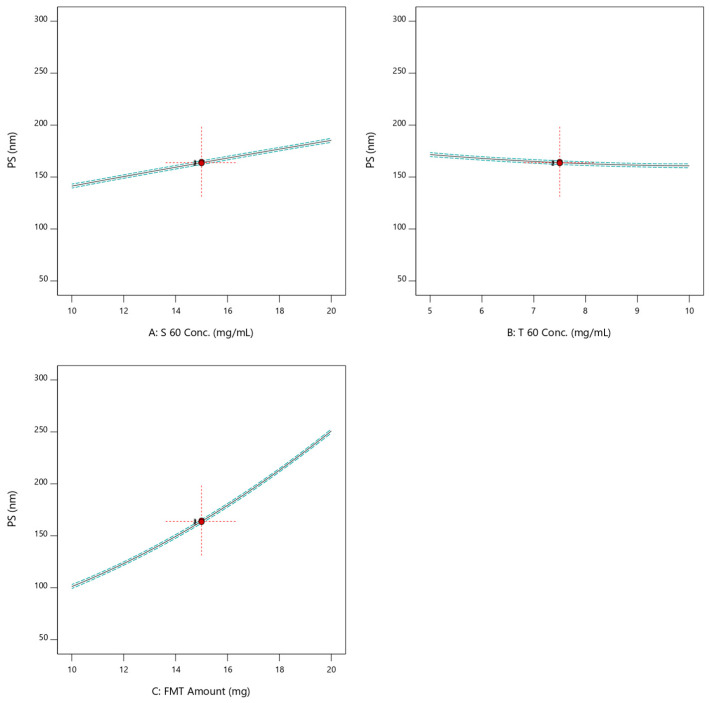
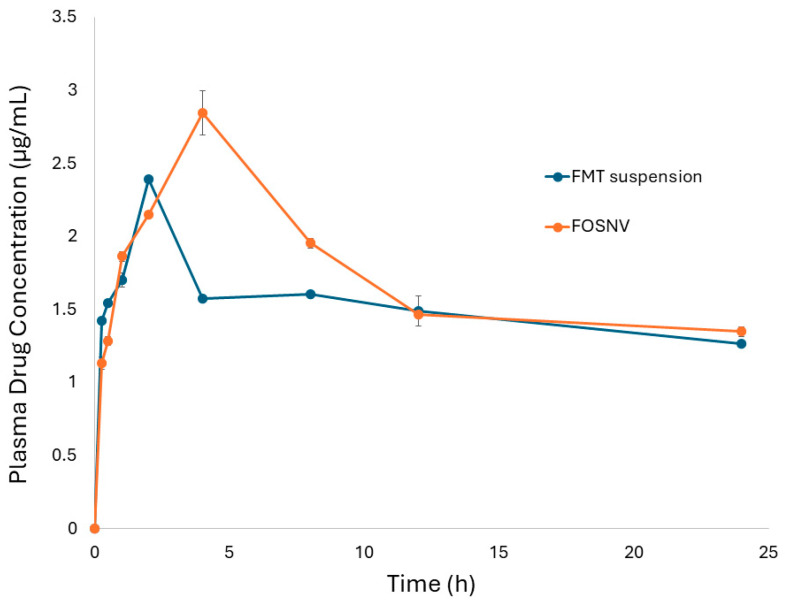
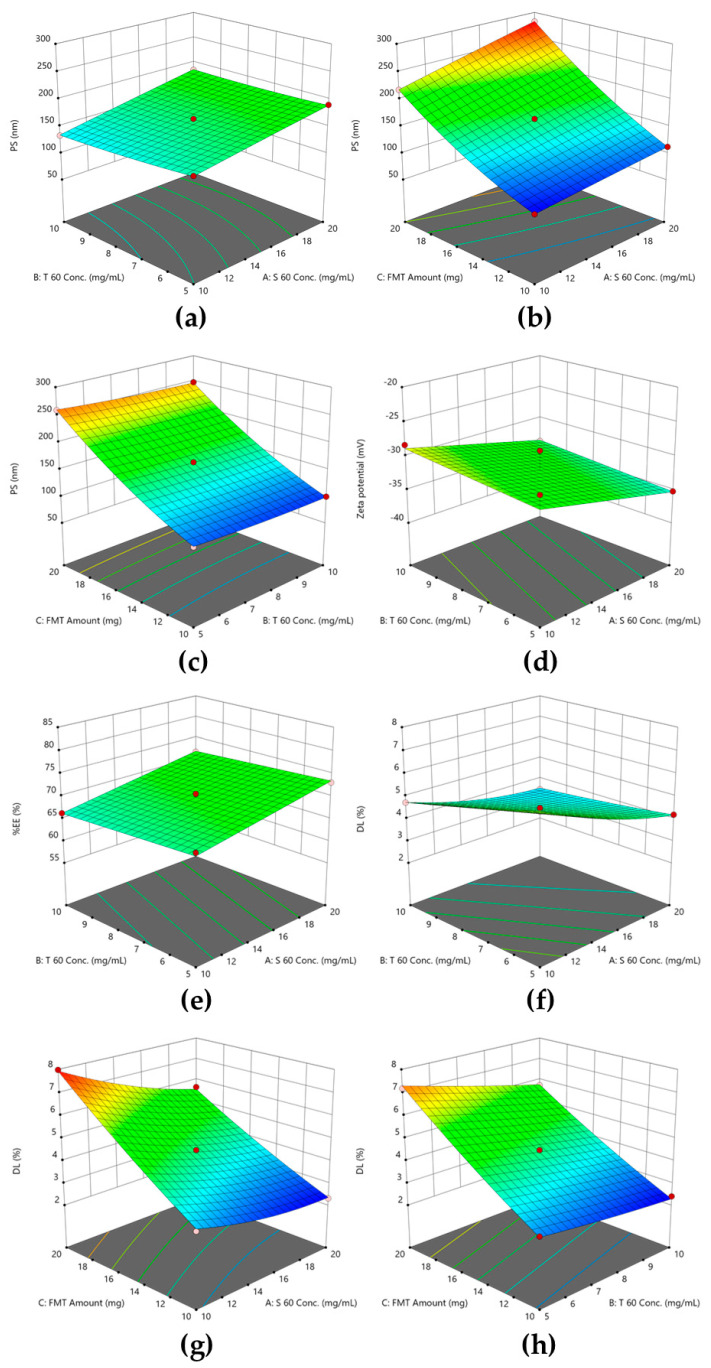
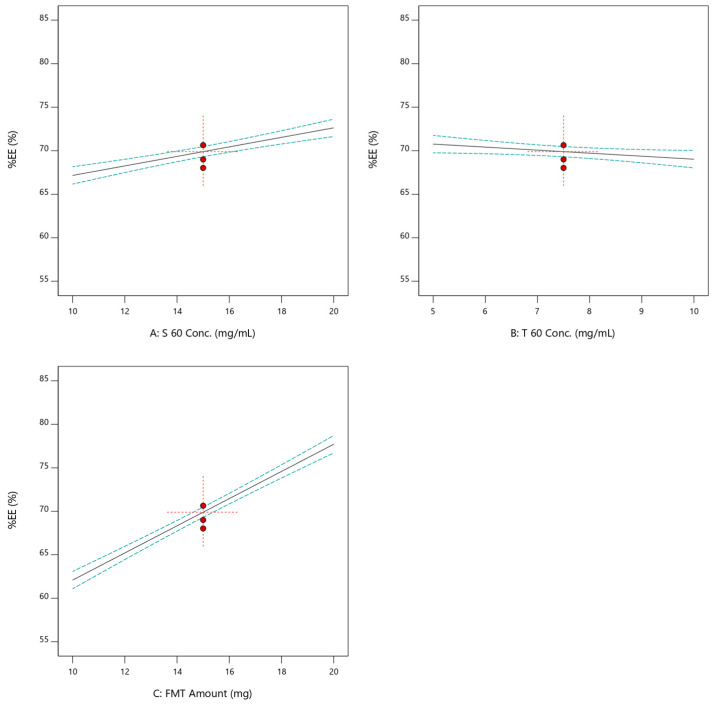
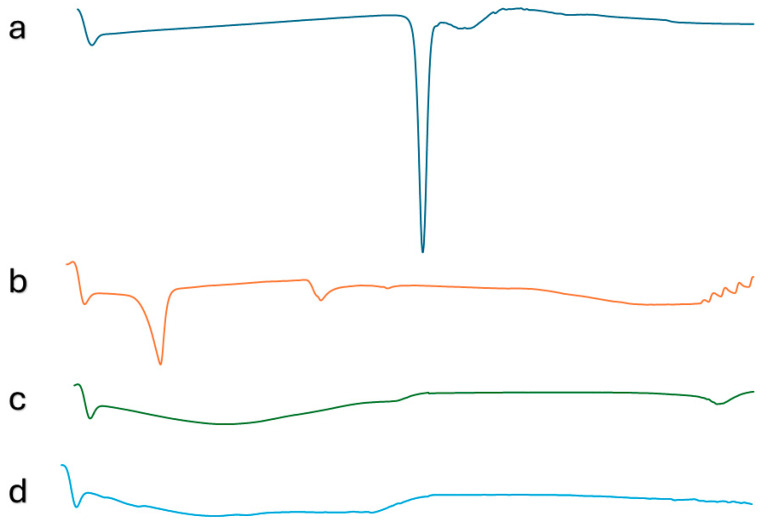
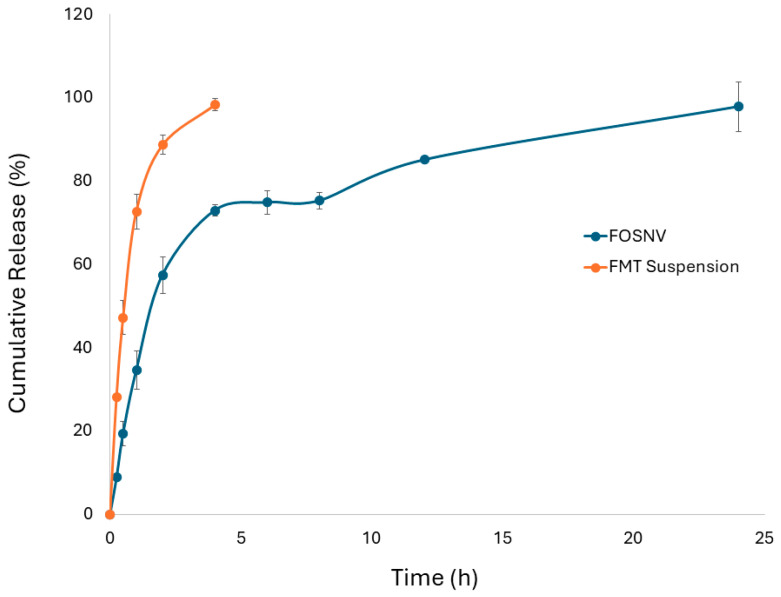
: Drugs exhibiting poor aqueous solubility present a challenge to efficient delivery to the site of action. Spanlastics (a nano, surfactant-based drug delivery system) have emerged as a powerful tool to improve solubility, bioavailability, and delivery to the site of action. This study aimed to better understand factors affecting the physicochemical properties of spanlastics, quantify their effects, and use them to enhance the bioavailability of famotidine (FMT), a model histamine H2 receptor antagonist (BCS class IV). : FMT was incorporated into nano-spanlastics drug delivery system. The ethanol injection method, Box-Behnken design, and mathematical modeling were utilized to fabricate famotidine-loaded nano-spanlastics and optimize the formula. Spanlastics were characterized for their particle size, polydispersity index, zeta potential, entrapment efficiency, drug loading, compatibility of the excipients (using DSC), in vitro drug release, and in vivo pharmacokinetics. : Span 60 (the non-ionic surfactant) and tween 60 (the edge activator) gave rise to spanlastics with the best characteristics. The optimal spanlastic formulation exhibited small particle size (<200 nm), appropriate polydispersity index (<0.4), and zeta potential (>-30 mV). The entrapment efficiency and drug loading of the optimum formula assured its suitability for hydrophobic drug entrapment as well as practicability for use. DSC assured the compatibility of all formulation components. The drug release manifested a biphasic release pattern, resulting in a fast onset and sustained effect. Spanlastics also showed enhanced C, AUC, and bioavailability. : Spanlastics manifested improved FMT dissolution, drug release characteristics, membrane permeation, and pharmacokinetic behavior.
水溶性差的药物在有效递送至作用部位方面存在挑战。Spanlastics(一种基于表面活性剂的纳米药物递送系统)已成为提高溶解度、生物利用度以及递送至作用部位的有力工具。本研究旨在更好地理解影响Spanlastics物理化学性质的因素,量化其影响,并利用这些因素提高法莫替丁(FMT,一种典型的组胺H2受体拮抗剂,BCS IV类)的生物利用度。:将FMT纳入纳米Spanlastics药物递送系统。采用乙醇注入法、Box-Behnken设计和数学建模来制备载法莫替丁的纳米Spanlastics并优化配方。对Spanlastics的粒径、多分散指数、zeta电位、包封率、载药量、辅料相容性(使用DSC)、体外药物释放和体内药代动力学进行了表征。:司盘60(非离子表面活性剂)和吐温60(边缘活化剂)产生了具有最佳特性的Spanlastics。最佳的Spanlastics制剂表现出小粒径(<200nm)、合适的多分散指数(<0.4)和zeta电位(>-30mV)。最佳配方的包封率和载药量确保了其适用于疏水性药物包封以及使用的实用性。DSC确保了所有制剂成分的相容性。药物释放表现出双相释放模式,起效快且效果持久。Spanlastics还显示出C、AUC和生物利用度的提高。:Spanlastics表现出改善的FMT溶解、药物释放特性、膜渗透和药代动力学行为。