Noranate Nitchakarn, Sripanomphong Jariya, Mphande-Nyasulu Fingani Annie, Chaorattanakawee Suwanna
Faculty of medicine, King's Mongkut Institute of Technology (KMITL), Ladkrabang, Bangkok, Thailand.
Department of Parasitology and Entomology, Faculty of Public Health, Mahidol University, Bangkok, Thailand.
PLoS One. 2024 Dec 30;19(12):e0312091. doi: 10.1371/journal.pone.0312091. eCollection 2024.
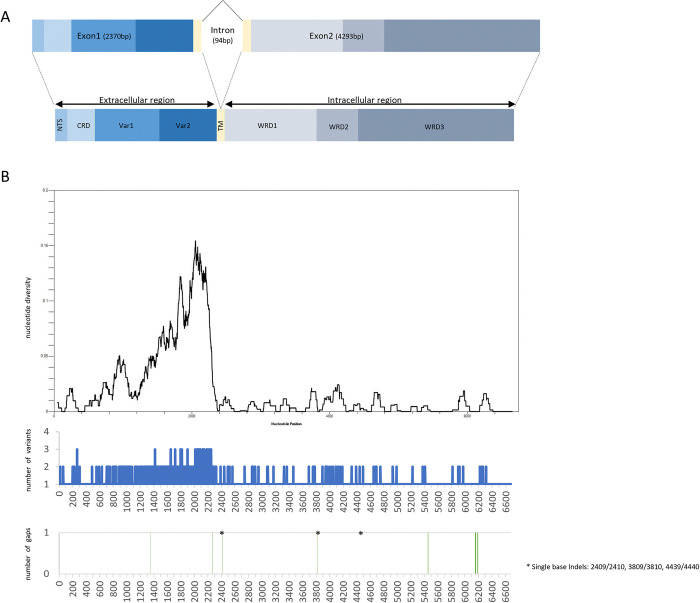
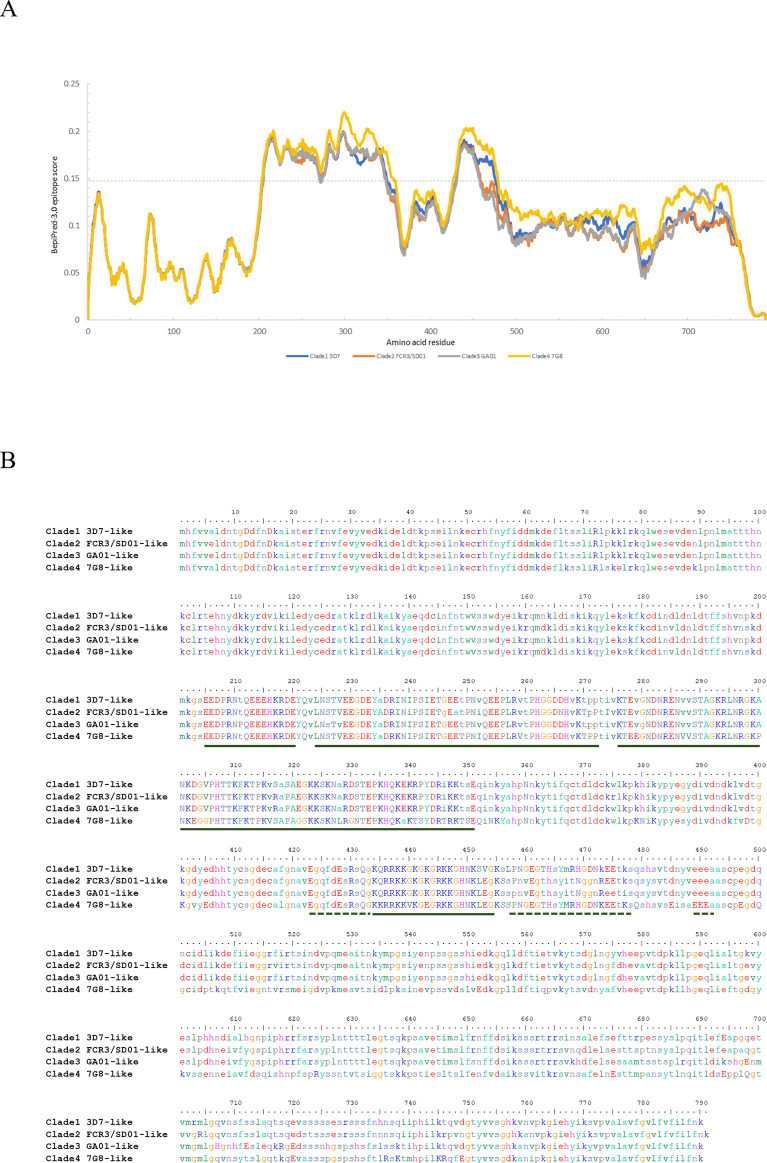
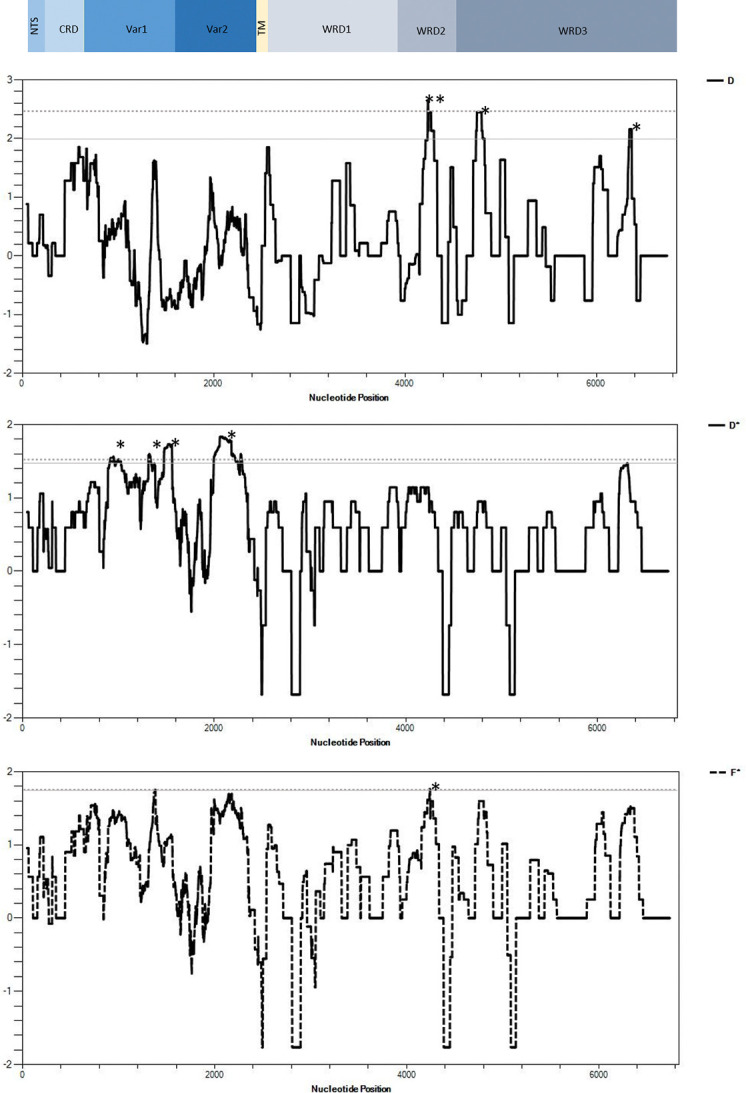
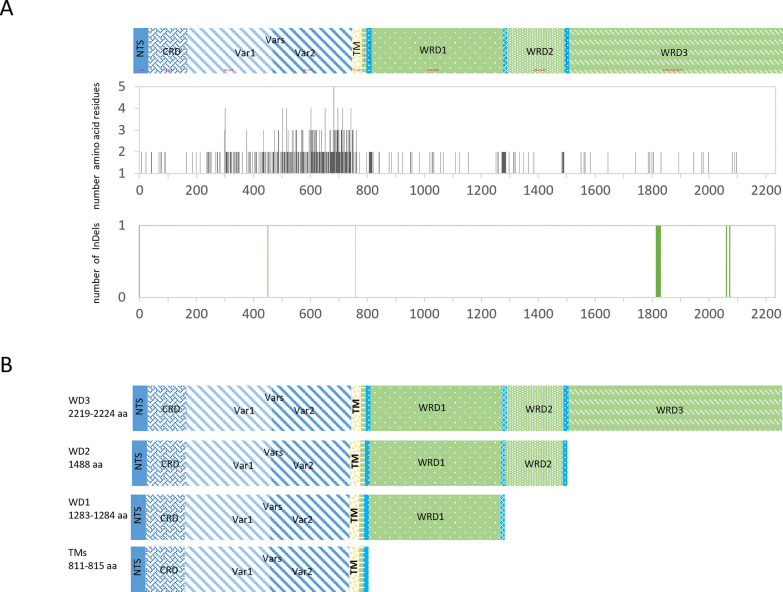
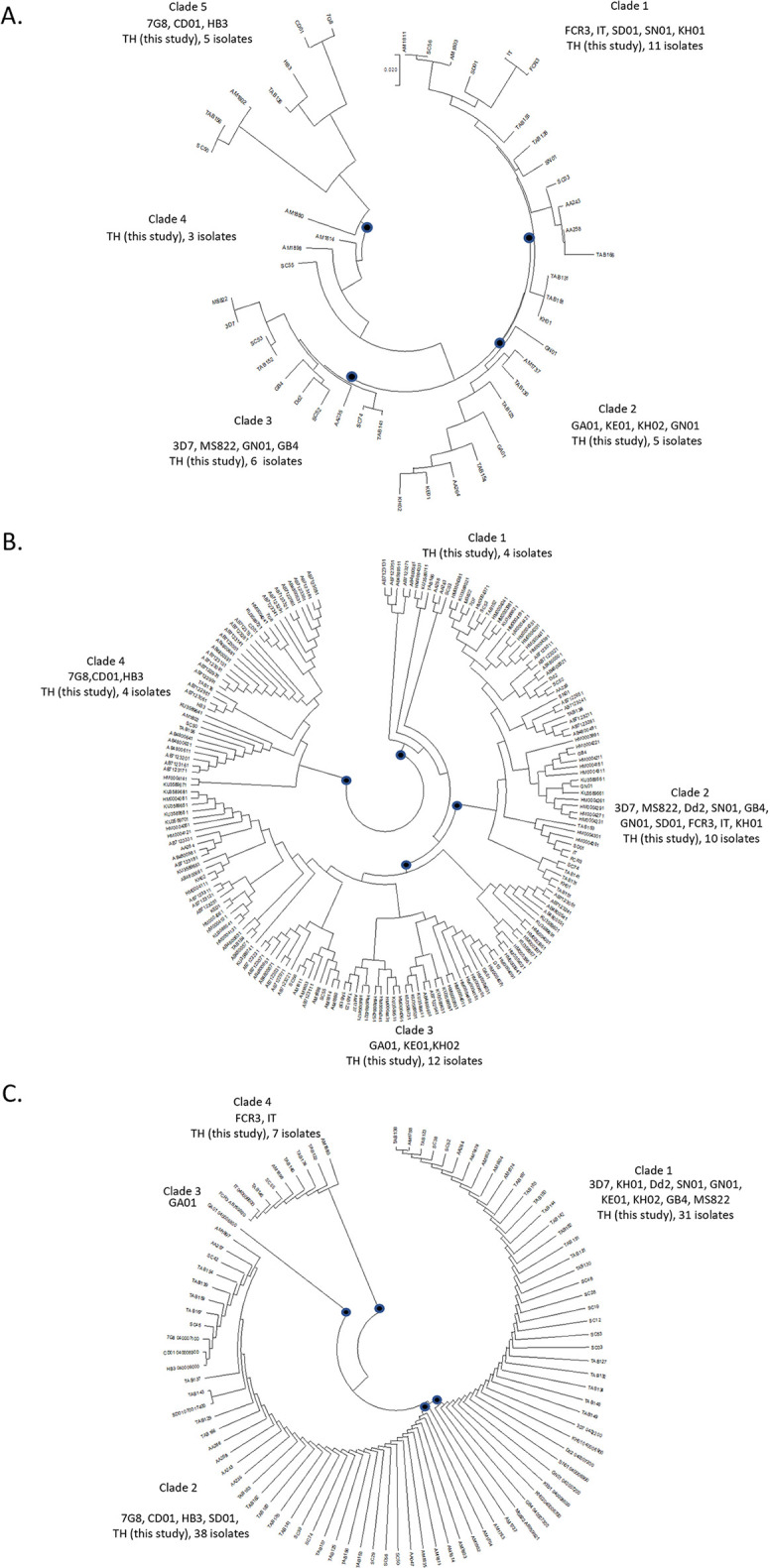
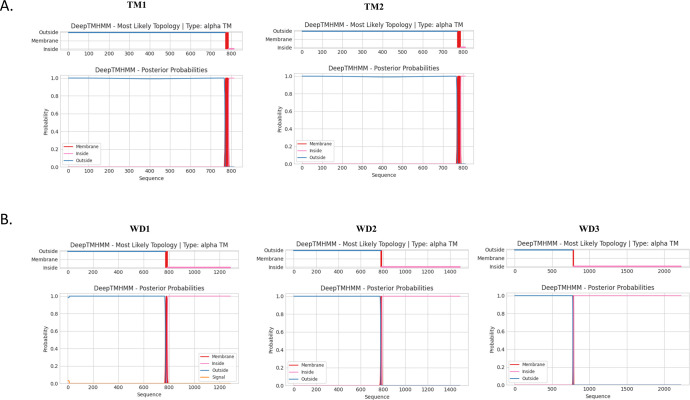
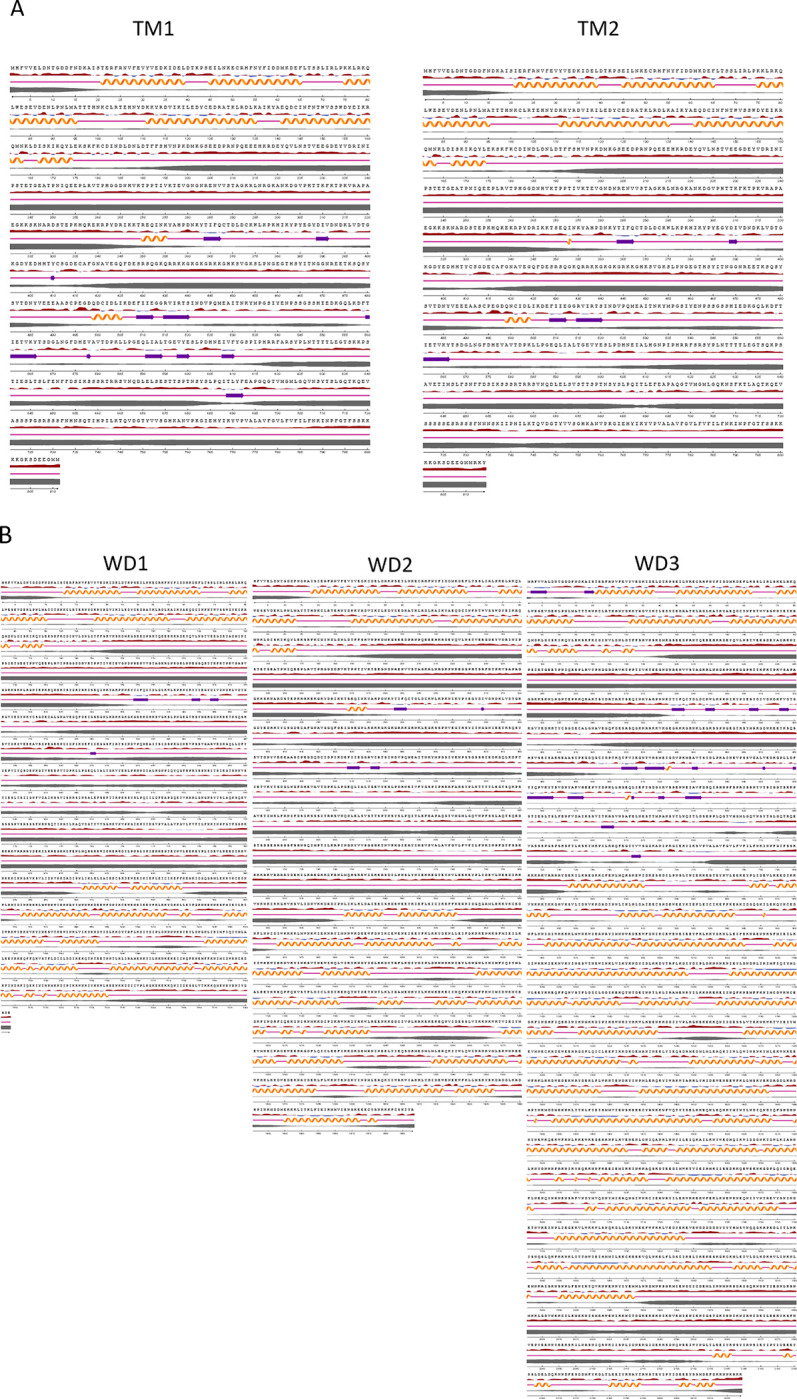
SURFINs protein family expressed on surface of both infected red blood cell and merozoite surface making them as interesting vaccine candidate for erythrocytic stage of malaria infection. In this study, we analyze genetic variation of Pfsurf4.1 gene, copy number variation, and frequency of SURFIN4.1 variants of P. falciparum in clinical isolates. In addition, secondary structure prediction and immunoinformatic were employed to identify immunogenic epitopes in humoral response as proposed vaccine candidates. Overall, our data demonstrate extensive polymorphism of SURFIN4.1 in both genetic and protein level. The surf4.1 gene showed extensive genetic variation with total of 447 polymorphic sites with maximum of three variants as well as singlet/triplet bases indels and mini/microsatellites in the coding sequence. The exon1 encoding extracellular region exhibited higher variation compared to exon2 which coding for intracellular domain. Interestingly, selective pressure was detected on both extracellular region (Var1 and Var2) as well as intracellular region (WRD2 and WRD3). Importantly, extensive full gene analysis suggests adenosine insertion at three key points nucleotide bases (nt 2409/2410, 3809/3810, and 4439/4440) of exon2 could lead to frameshift mutation resulted in four different SURFIN4.1 variants (TMs, WD1, WD2 and WD3). The SURFIN4.1 variant TMs was the most observed type with 67% frequency (51/76). Along with more than one copy number of surf4.1 gene was observed with frequency of 13% (9/70). Despite substantial polymorphism, analysis of relatedness within P. falciparum population using full coding sequence was able to group SURFIN4.1 protein into five distinct clades and reduced into four clades when using only exon1 coding sequence. Also, predicted secondary structure revealed conserved structure of five helix domains of extracellular region which similar among four SURFIN4.1 variant types. In addition, in silico design eight immunopeptides derived from SURFIN4.1, four of which are highly conserved and four of dimorphic epitopes, as potential vaccine candidates.
SURFINs蛋白家族在受感染红细胞表面和裂殖子表面均有表达,这使其成为疟疾感染红细胞阶段颇具吸引力的疫苗候选物。在本研究中,我们分析了临床分离株中恶性疟原虫Pfsurf4.1基因的遗传变异、拷贝数变异以及SURFIN4.1变体的频率。此外,采用二级结构预测和免疫信息学方法来鉴定体液免疫应答中的免疫原性表位,作为候选疫苗。总体而言,我们的数据表明SURFIN4.1在基因和蛋白质水平上均存在广泛的多态性。surf4.1基因显示出广泛的遗传变异,编码序列中共有447个多态性位点,最多有三个变体,以及单碱基/三碱基插入缺失和微卫星/小卫星。编码细胞外区域的外显子1与编码细胞内结构域的外显子2相比,变异程度更高。有趣的是,在细胞外区域(Var1和Var2)以及细胞内区域(WRD2和WRD3)均检测到了选择压力。重要的是,广泛的全基因分析表明,外显子2的三个关键点核苷酸碱基(nt 2409/2410、3809/3810和4439/4440)处的腺苷插入可能导致移码突变,产生四种不同的SURFIN4.1变体(TMs、WD1、WD2和WD3)。SURFIN4.1变体TMs是最常见的类型,频率为67%(51/76)。同时,观察到surf4.1基因存在多个拷贝数,频率为13%(9/70)。尽管存在大量多态性,但使用完整编码序列对恶性疟原虫群体内的亲缘关系进行分析时,能够将SURFIN4.1蛋白分为五个不同的进化枝,而仅使用外显子1编码序列时则减少为四个进化枝。此外,预测的二级结构揭示了细胞外区域五个螺旋结构域的保守结构,这在四种SURFIN4.1变体类型中相似。此外,通过计算机设计了八种源自SURFIN4.1的免疫肽,其中四种高度保守,四种为二态性表位,作为潜在的疫苗候选物。