Li Meng-Jie, Zhou Shou-Feng, Zhang Yu, Zhang Yong, Fu Wen-Bo
Department of Respiratory Oncology, Renmin Hospital of Qingxian, Cangzhou, China.
Department of Digestive Diseases, General Hospital of Central Theater Command of the People's Liberation Army, Wuhan, China.
Front Med (Lausanne). 2024 Dec 24;11:1382134. doi: 10.3389/fmed.2024.1382134. eCollection 2024.
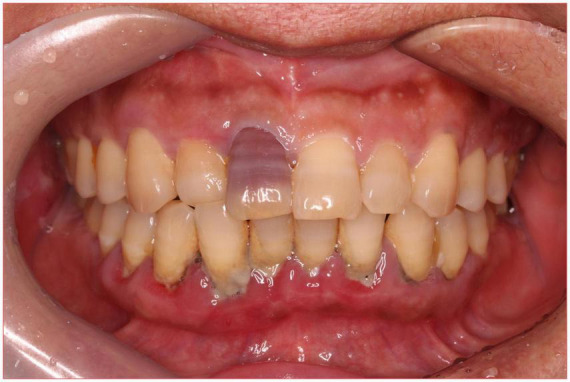
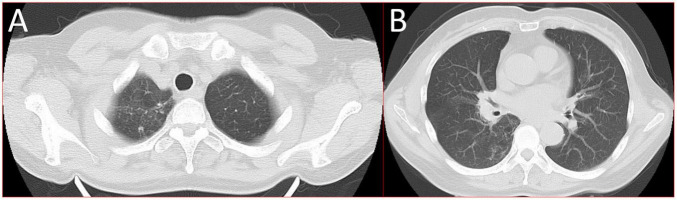
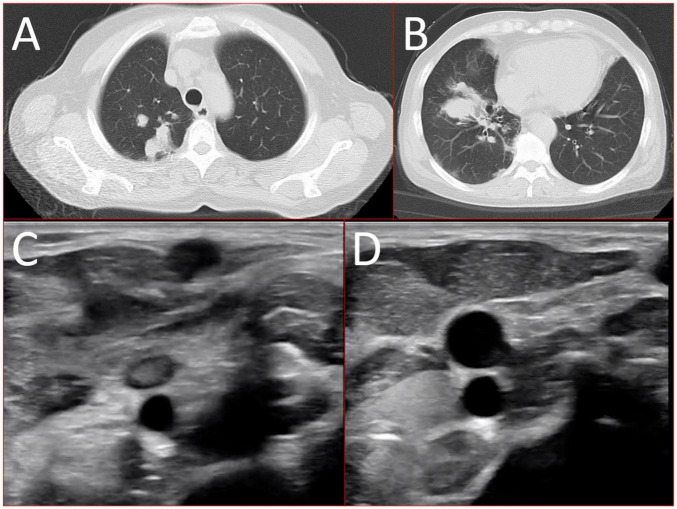
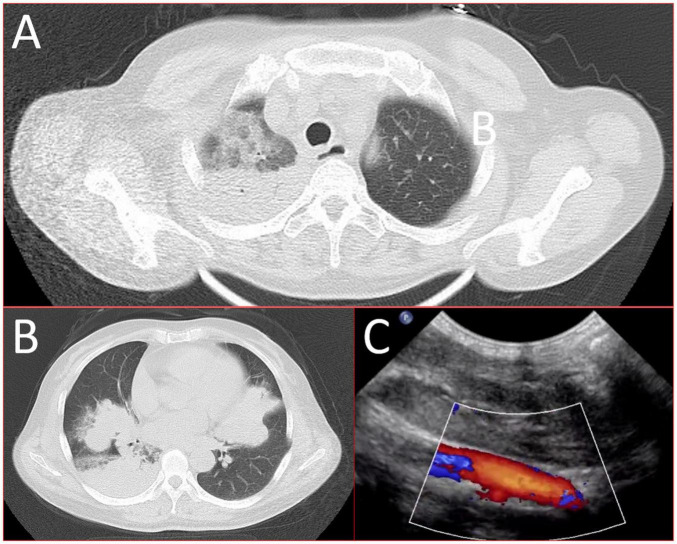
is often considered a complex associated with a healthy plant-based diet that acts as a "probiotic" throughout the body's entire digestive tract from the mouth to the anus. Previous studies have not reported that this "probiotic" colonizing the human body could cause severe pneumonia. This case report describes a 56-year-old healthy female worker with gum pain followed by fever. Despite prompt medical attention given by the use of empirical antibiotics and tooth and oral cleaning, the disease rapidly progressed to retropharyngeal abscess and severe pneumonia. Although the surgeon performed pharynx and cervical incisions and drainage, the patient's symptoms were not significantly relieved. After repeated blood culture and sputum culture, no positive findings were found. Fortunately, was found in the peripheral blood of the patient by metagenomic next-generation sequencing (mNGS). The disease was controlled quickly by changing the targeted antibiotics according to the guidelines for the detection of pathogenic bacteria. Three months after discharge, the patient's symptoms did not resolve, and reexamination with computerized tomography (CT) showed that the neck and chest were normal. This case is unique in that it shows that normally colonized could also cause fatal pneumonia as an opportunistic pathogen. Our goal is to highlight that serious infections that rapidly develop from common symptoms in an era of widespread antibiotic use not only increase patient misunderstanding but also lead to over detection and testing of such symptoms by clinicians. Expanding the pathogenic characteristics of special pathogens through the literature and using accurate mNGS may be the technical tool for resolving this contradiction.
通常被认为是与健康的植物性饮食相关的一种复合物,它在从口腔到肛门的整个消化道中起到“益生菌”的作用。先前的研究尚未报道这种在人体定殖的“益生菌”会导致严重肺炎。本病例报告描述了一名56岁健康女性工人,先是牙龈疼痛,随后发烧。尽管通过使用经验性抗生素以及牙齿和口腔清洁给予了及时的医疗关注,但疾病迅速发展为咽后脓肿和严重肺炎。尽管外科医生进行了咽部和颈部切开引流,但患者症状并未明显缓解。经过反复血培养和痰培养,未发现阳性结果。幸运的是,通过宏基因组下一代测序(mNGS)在患者外周血中发现了[具体物质未给出]。根据病原菌检测指南更换靶向抗生素后,疾病迅速得到控制。出院三个月后,患者症状未缓解,计算机断层扫描(CT)复查显示颈部和胸部正常。该病例的独特之处在于它表明正常定殖的[具体物质未给出]也可能作为机会性病原体导致致命性肺炎。我们的目标是强调在抗生素广泛使用的时代,从常见症状迅速发展而来的严重感染不仅增加了患者的误解,还导致临床医生对此类症状进行过度检测和检查。通过文献扩展特殊病原体的致病特征并使用准确的mNGS可能是解决这一矛盾的技术工具。