Corcione Silvia, Ferrocino Ilario, Lupia Tommaso, Busca Alessandro, Bianco Gabriele, Dellacasa Chiara, Giaccone Luisa, Brunello Lucia, Butera Sara, Costa Cristina, Bruno Benedetto, De Rosa Francesco Giuseppe
Department of Medical Sciences, Infectious Diseases, University of Turin, Turin, Italy.
Tufts Medical Center and Tufts University School of Medicine, Boston, MA, USA.
Sci Rep. 2025 Jan 8;15(1):1275. doi: 10.1038/s41598-025-85128-6.
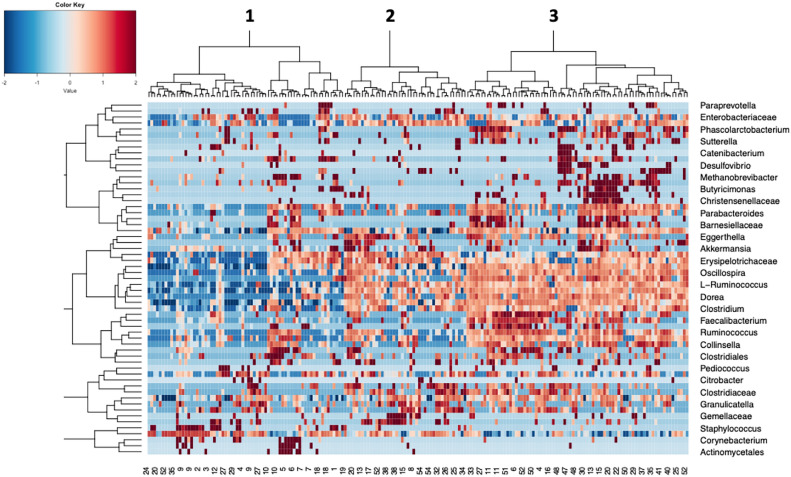
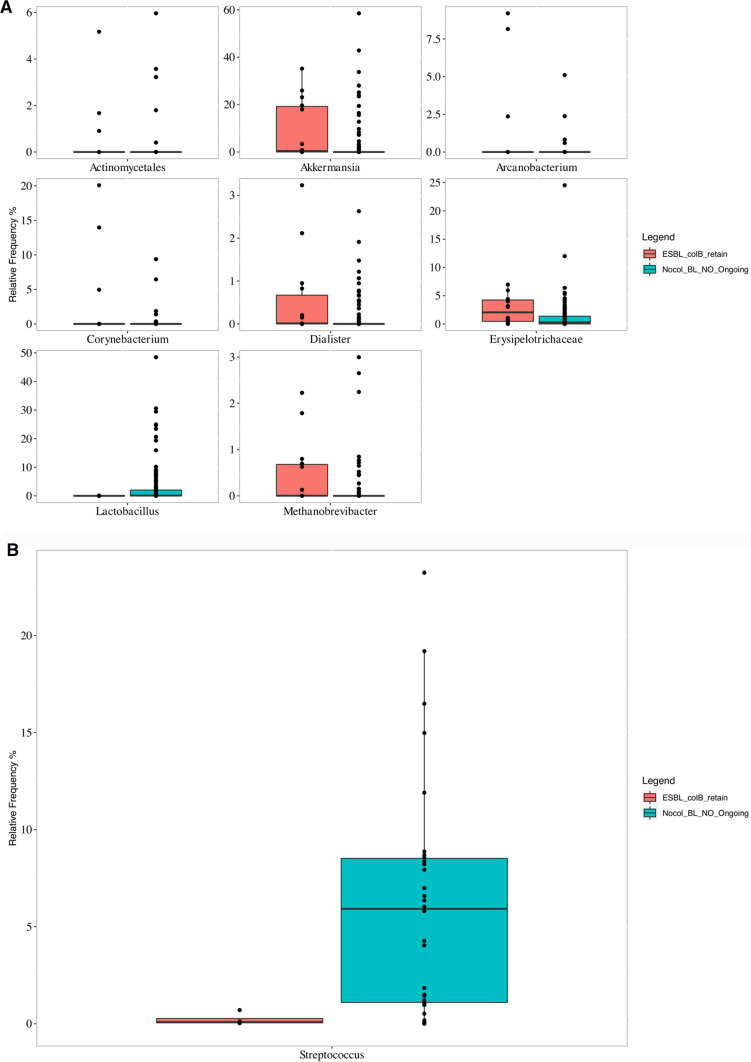
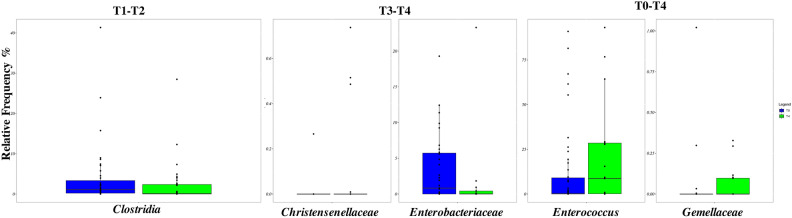
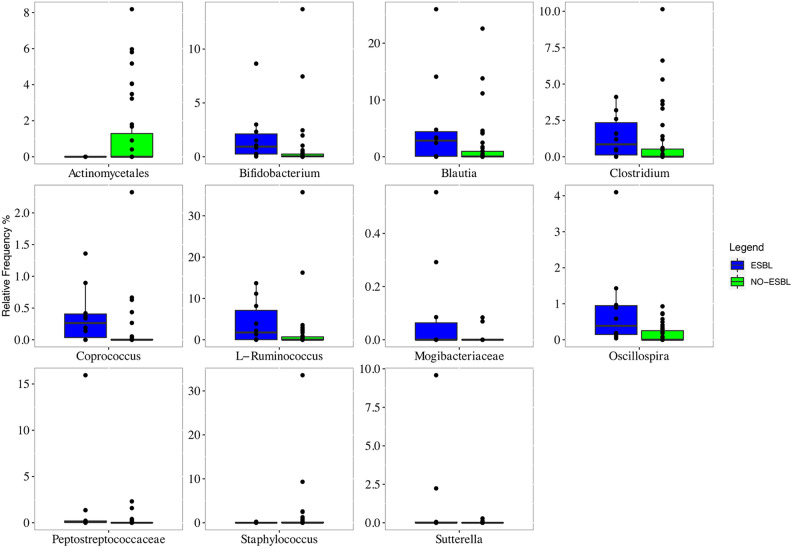
After allogeneic HSCT (allo-HSCT), the diversity of the intestinal microbiota significantly decreases. The changes can be rapid and are thought to be caused by chemotherapy, antibiotics, or intestinal inflammation. Most patients are exposed to prophylactic and therapeutic antibiotics during neutropenia and several patients are colonized by ESBL bacteria. We investigated the changes in gut microbiota composition in allo-HSCT, aiming at investigating if the acquisition of ESBL colonization may affect gut microbiome diversity during allo-HSCT. This was a single-center prospective pilot study. All patients consecutively admitted to the Haematological Unit of the City of Health and Science, Molinette Hospital in Turin, Italy, and undergoing allo-HSCT between August 2017 to August 2020 were enrolled in the study. Microbiome analysis on fecal samples were collected every 7 days from hospital admission to discharge and until 1 year after HSCT. 48 patients were enrolled in the study. At baseline 14 patients (29.16%) were colonized by MDR bacteria, mostly extended-spectrum beta-lactamase (ESBL)-producing gram negatives (N = 11; 78.57%). During allo-HSCT, one patient had a positive rectal swab for a carbapenemase-producing Klebsiella pneumoniae and eight patients lost the colonization during the hospital stay. Microbiota composition was compared between patients colonized by ESBL at baseline and non-colonized patients. Patients colonized by ESBL had a greater abundances of Bifidobacterium, Blautia, Clostridium, Coprococcus, L-Ruminococcus Mogibacteriaceae, Peptostreptococceae and Oscillospira, while non-colonized ESBL patients had a greater abundance of Actinomycetales, Staphylococcus and Sutterella. Moreover, microbiota composition of colonized by ESBL that retained colonization after HSCT showed an increased in abundances of Akkermansia, Dialister, Erysipelotrichaceae and Methanobrevibacter when compared with patients that become negative at rectal swabs. From a clinical perspective, the evolution of this prospective pilot study will be to investigate markers of gut barrier functions, SCFA productions and to correlate the predictivity of these parameters with risk of invasive infections and clinical outcomes in allo-HSCT population.
异基因造血干细胞移植(allo-HSCT)后,肠道微生物群的多样性显著降低。这种变化可能很快,被认为是由化疗、抗生素或肠道炎症引起的。大多数患者在中性粒细胞减少期间会接受预防性和治疗性抗生素治疗,有几名患者被产超广谱β-内酰胺酶(ESBL)细菌定植。我们研究了allo-HSCT中肠道微生物群组成的变化,旨在调查ESBL定植的获得是否会影响allo-HSCT期间肠道微生物组的多样性。这是一项单中心前瞻性试点研究。所有连续入住意大利都灵莫利内特市健康与科学城医院血液科并在2017年8月至2020年8月期间接受allo-HSCT的患者均纳入本研究。从入院到出院以及HSCT后1年,每7天收集一次粪便样本进行微生物组分析。48名患者纳入本研究。基线时,14名患者(29.16%)被多重耐药菌定植,主要是产超广谱β-内酰胺酶(ESBL)的革兰氏阴性菌(N = 11;78.57%)。在allo-HSCT期间,一名患者的直肠拭子检测出产碳青霉烯酶的肺炎克雷伯菌呈阳性,8名患者在住院期间失去了定植。比较了基线时被ESBL定植的患者和未被定植的患者的微生物群组成。被ESBL定植的患者双歧杆菌、布劳特氏菌、梭菌、粪球菌、左旋瘤胃球菌、毛螺菌科、消化链球菌科和颤螺菌的丰度更高,而未被ESBL定植的患者放线菌目、葡萄球菌和萨特氏菌的丰度更高。此外,与直肠拭子检测变为阴性的患者相比,HSCT后仍保留定植的被ESBL定植患者的阿克曼氏菌、戴阿李斯特菌、丹毒丝菌科和甲烷短杆菌的丰度增加。从临床角度来看,这项前瞻性试点研究的进展将是研究肠道屏障功能、短链脂肪酸产生的标志物,并将这些参数的预测性与allo-HSCT人群中侵袭性感染的风险和临床结果相关联。