Iftikhar Farwa, Zulfiqar Asma, Kamran Atif, Saleem Ammara, Arshed Muhammad Zeeshan, Zulfiqar Usman, Djalovic Ivica, Vara Prasad P V, Soufan Walid
Institute of Botany, University of the Punjab, Lahore, Pakistan.
Department of Agronomy, Faculty of Agriculture and Environment, The Islamia University of Bahawalpur, Bahawalpur, 63100, Pakistan.
Sci Rep. 2025 Jan 8;15(1):1289. doi: 10.1038/s41598-024-84803-4.
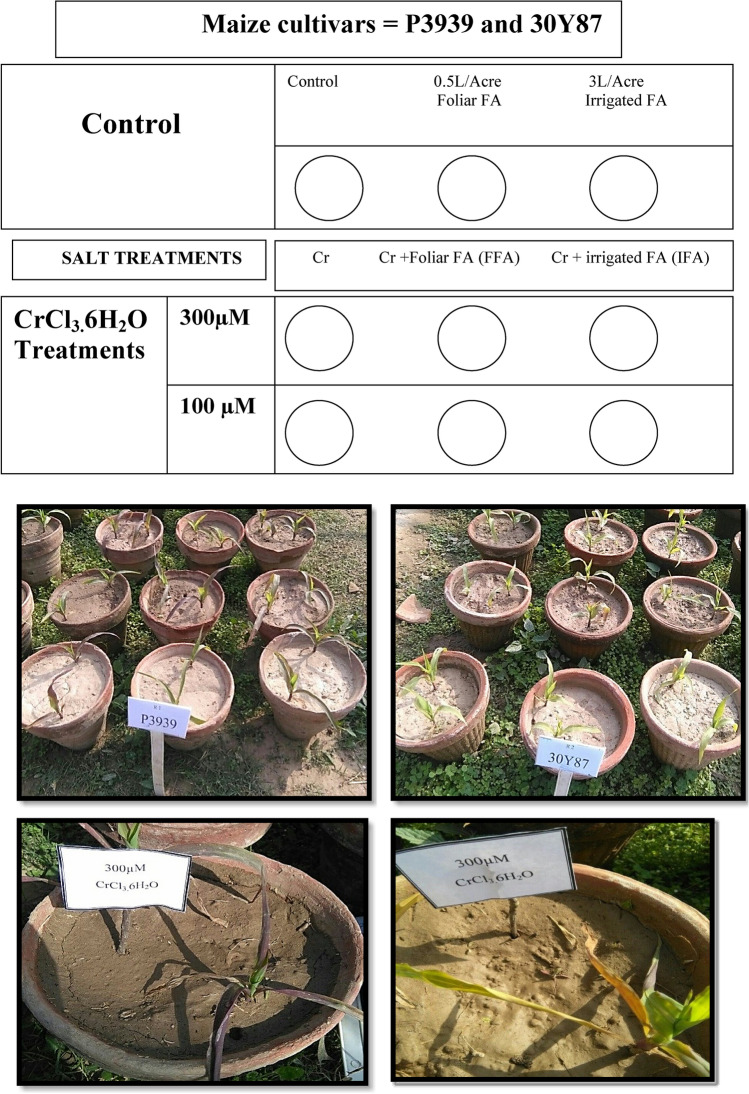
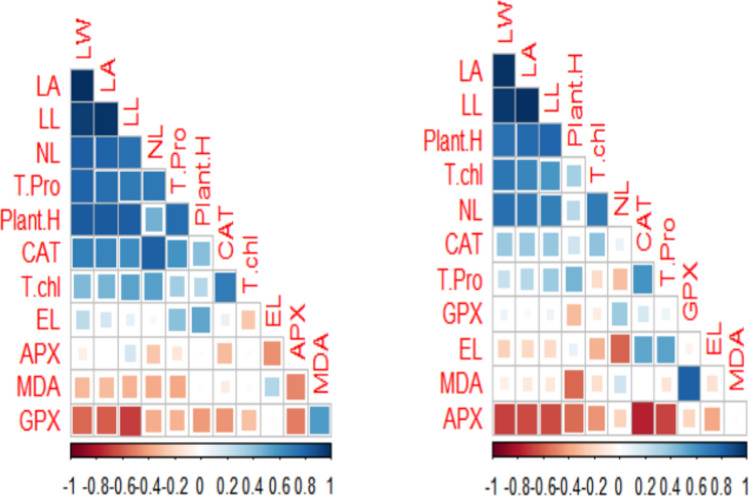
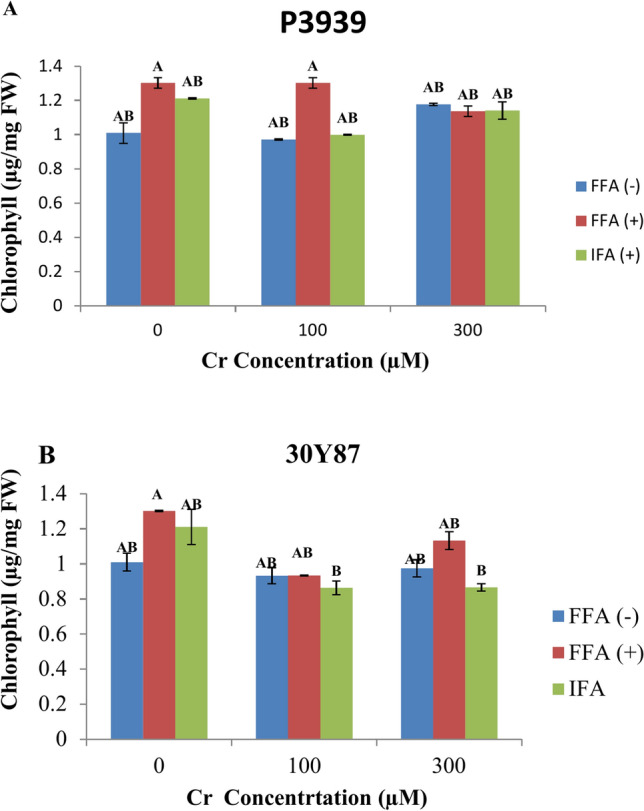
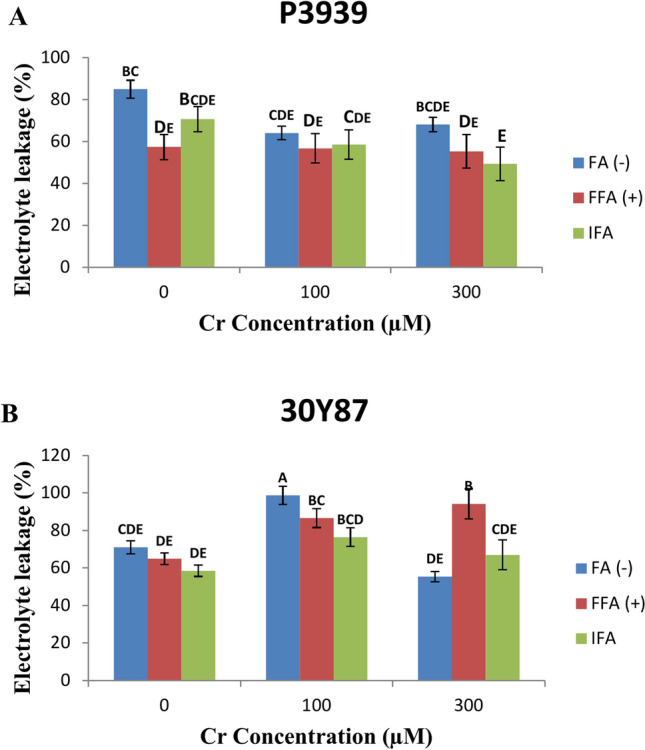
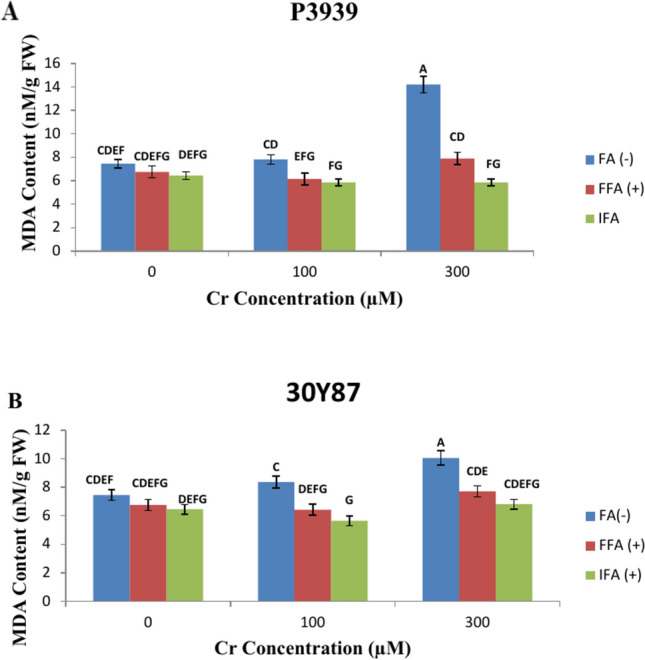
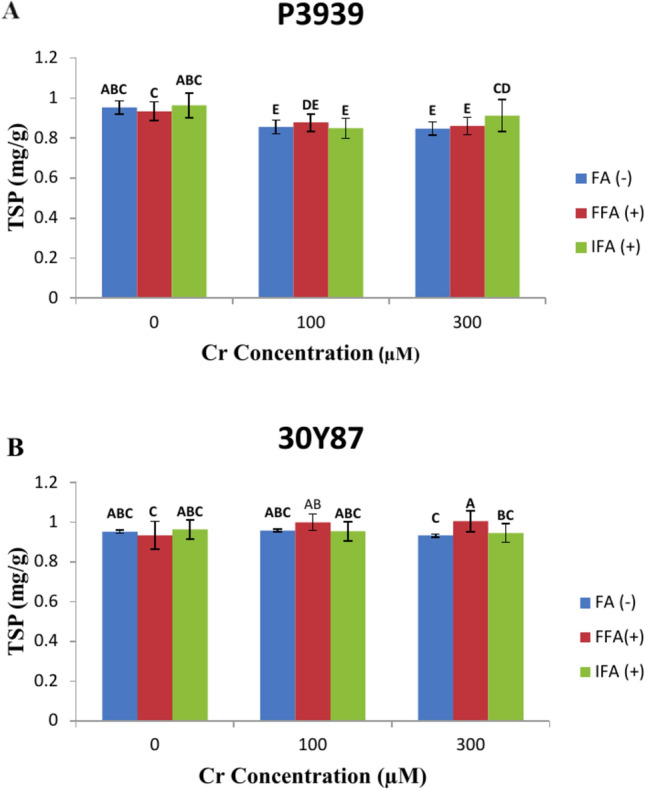
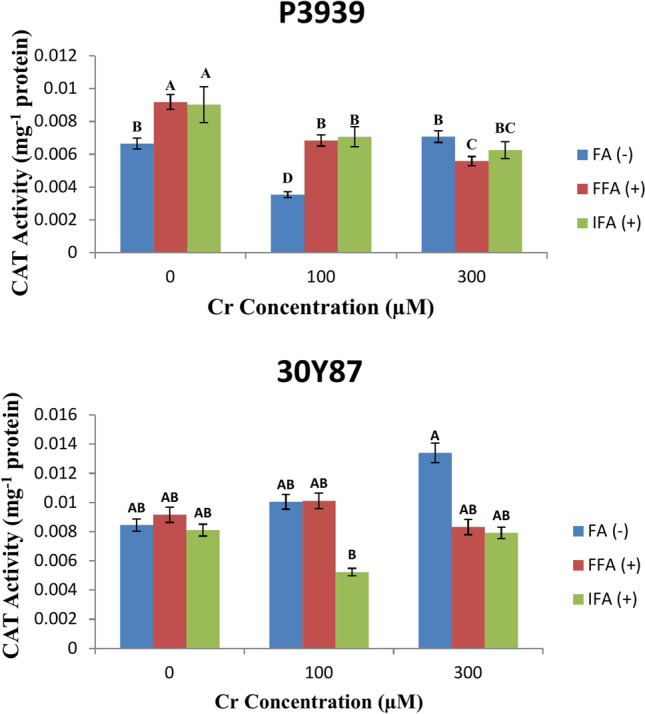
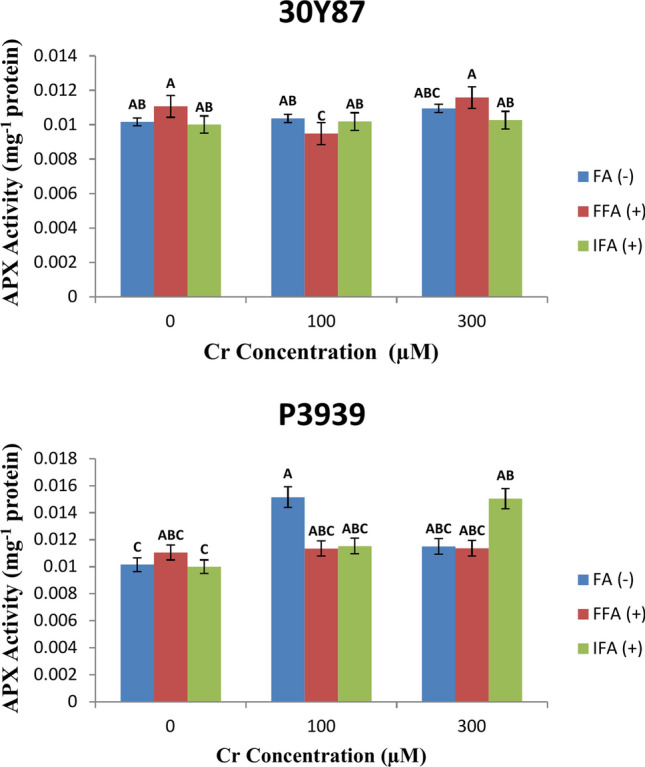
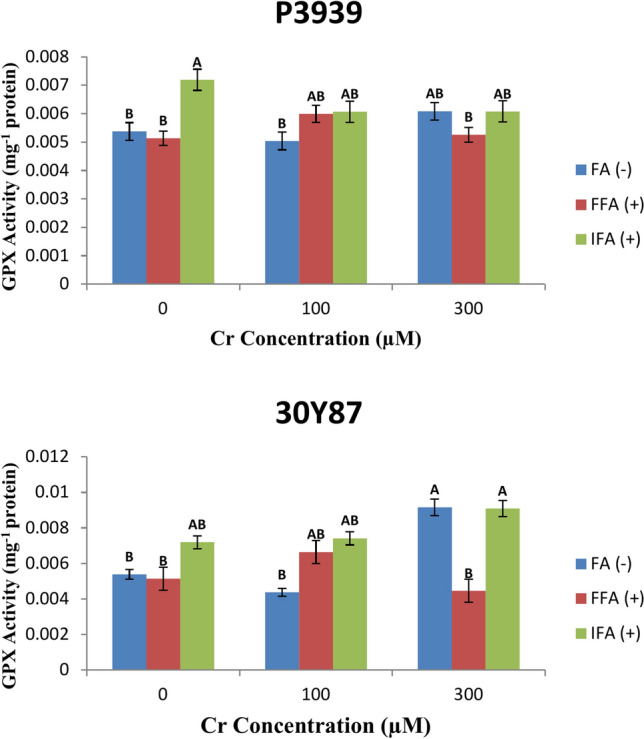
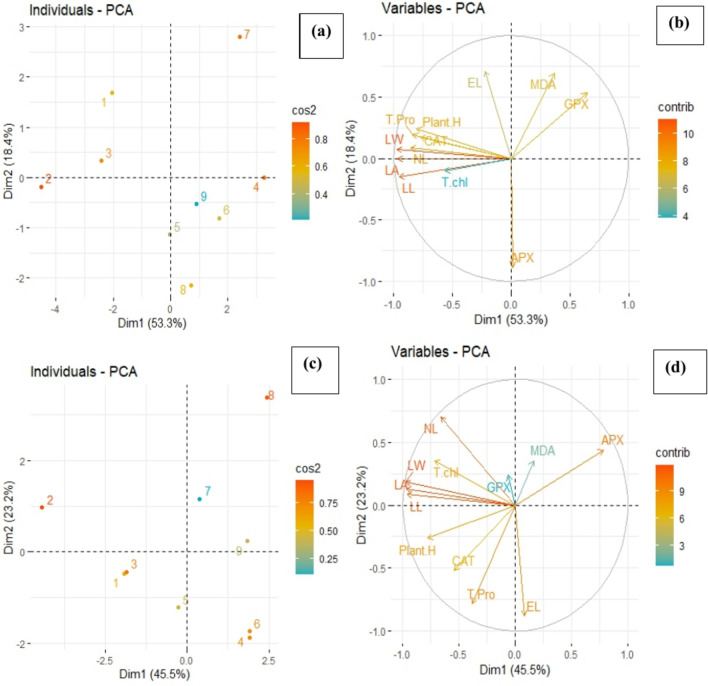
Maize (Zea mays L.) faces significant challenges to its growth and productivity from heavy metal stress, particularly Chromium (Cr) stress, which induces reactive oxygen species (ROS) generation and damages photosynthetic tissues. This study aimed to investigate the effects of fulvic acid (FA) application, via foliar spray or root irrigation, on mitigating chromium stress in maize by evaluating its impact on antioxidant activity and growth parameters. Two maize varieties, P3939 and 30Y87, were subjected to chromium stress (CrCl·6HO) at concentrations of 300 µM and 100 µM for a duration of 5 weeks. The experiment was conducted in a wire house under natural environmental conditions at the Seed Centre, Institute of Botany, University of the Punjab, Lahore, Pakistan. Physiological assessments included electrolyte leakage, chlorophyll pigment content, malondialdehyde (MDA) levels, and activities of antioxidant enzymes such as catalase (CAT), ascorbate peroxidase (APX), and guaiacol peroxidase (GPX) in maize leaves. Growth parameters were also monitored. The results revealed that chromium stress significantly reduced chlorophyll content and increased oxidative stress, as evidenced by elevated MDA levels and electrolyte leakage. However, FA application notably mitigated these effects: chlorophyll content improved by 15%, and MDA levels decreased significantly. Irrigation with FA was particularly effective, reducing MDA levels by 40% compared to the 300 µM chromium treatment. Furthermore, while chromium stress enhanced antioxidant enzyme activities, FA application further boosted total soluble protein levels and antioxidant enzyme activities under stress conditions. In conclusion, FA application demonstrates potential in improving maize tolerance to heavy metal stress by enhancing the antioxidant defense system and preserving photosynthetic pigments. These findings highlight FA's promise as a practical strategy for mitigating the negative impacts of chromium stress on maize, promoting sustainable agricultural practices in contaminated environments.
玉米(Zea mays L.)在生长和生产力方面面临着重金属胁迫带来的重大挑战,尤其是铬(Cr)胁迫,它会诱导活性氧(ROS)的产生并损害光合组织。本研究旨在通过叶面喷施或根灌施用黄腐酸(FA),评估其对玉米抗氧化活性和生长参数的影响,以探讨其对减轻玉米铬胁迫的作用。两个玉米品种P3939和30Y87分别受到浓度为300 μM和100 μM的铬胁迫(CrCl₃·6H₂O),持续5周。该实验在巴基斯坦拉合尔旁遮普大学植物研究所种子中心的网室中,于自然环境条件下进行。生理评估包括玉米叶片的电解质渗漏、叶绿素色素含量、丙二醛(MDA)水平以及过氧化氢酶(CAT)、抗坏血酸过氧化物酶(APX)和愈创木酚过氧化物酶(GPX)等抗氧化酶的活性。同时也监测了生长参数。结果表明,铬胁迫显著降低了叶绿素含量并增加了氧化应激,MDA水平升高和电解质渗漏证明了这一点。然而,施用FA显著减轻了这些影响:叶绿素含量提高了15%,MDA水平显著降低。用FA进行灌溉尤其有效,与300 μM铬处理相比,MDA水平降低了40%。此外,虽然铬胁迫增强了抗氧化酶的活性,但在胁迫条件下,施用FA进一步提高了总可溶性蛋白水平和抗氧化酶活性。总之,施用FA通过增强抗氧化防御系统和保护光合色素,显示出提高玉米对重金属胁迫耐受性的潜力。这些发现突出了FA作为减轻铬胁迫对玉米负面影响、促进污染环境中可持续农业实践的实用策略的前景。