Li Xiang, Ding Qingyong, Wan Xinxin, Wu Qilong, Ye Shiqing, Lou Yongliang
Wenzhou Key Laboratory of Sanitary Microbiology; School of Laboratory Medicine and Life Sciences; Key Laboratory of Laboratory Medicine, Ministry of Education, Wenzhou Medical University, Wenzhou, Zhejiang Province, China.
Colorectal Cancer Research Center, Wenzhou Medical University, Wenzhou, Zhejiang Province, China.
Behav Brain Funct. 2025 Jan 8;21(1):2. doi: 10.1186/s12993-024-00265-8.
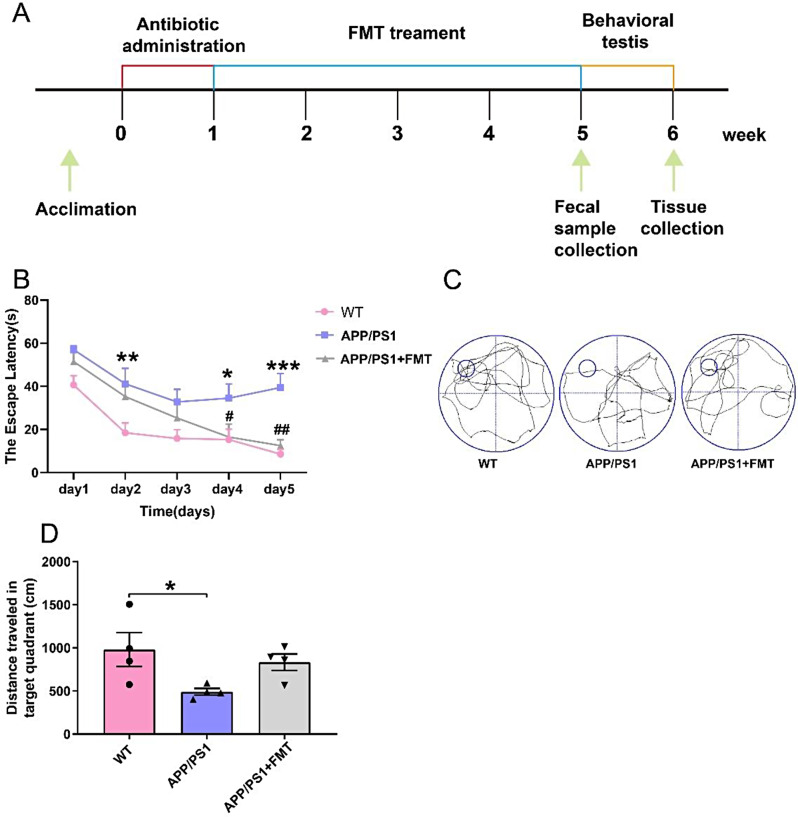
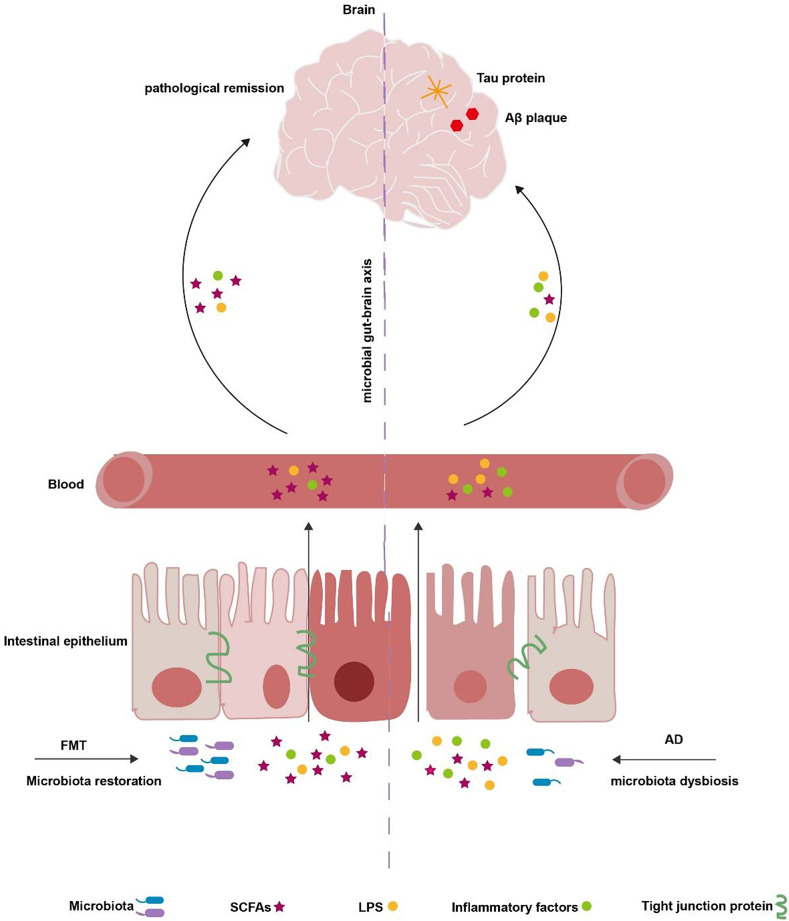
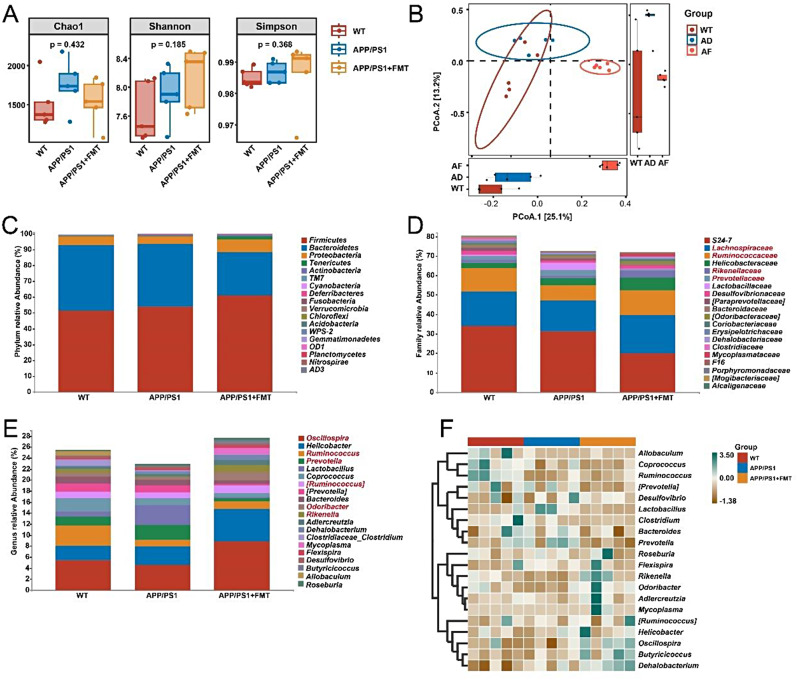
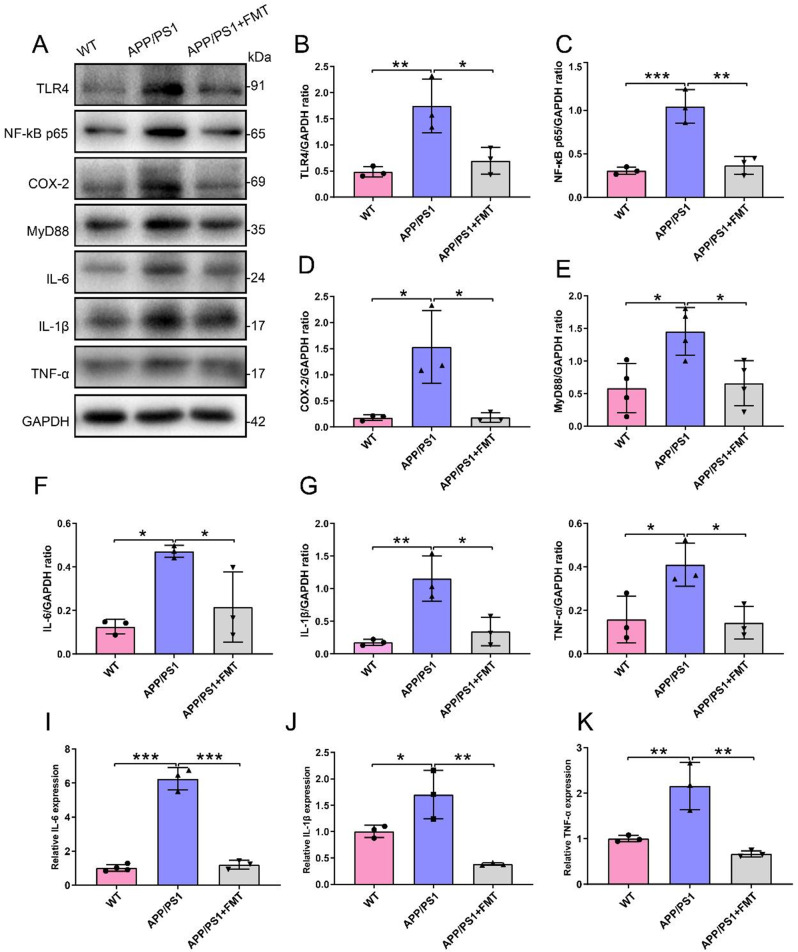
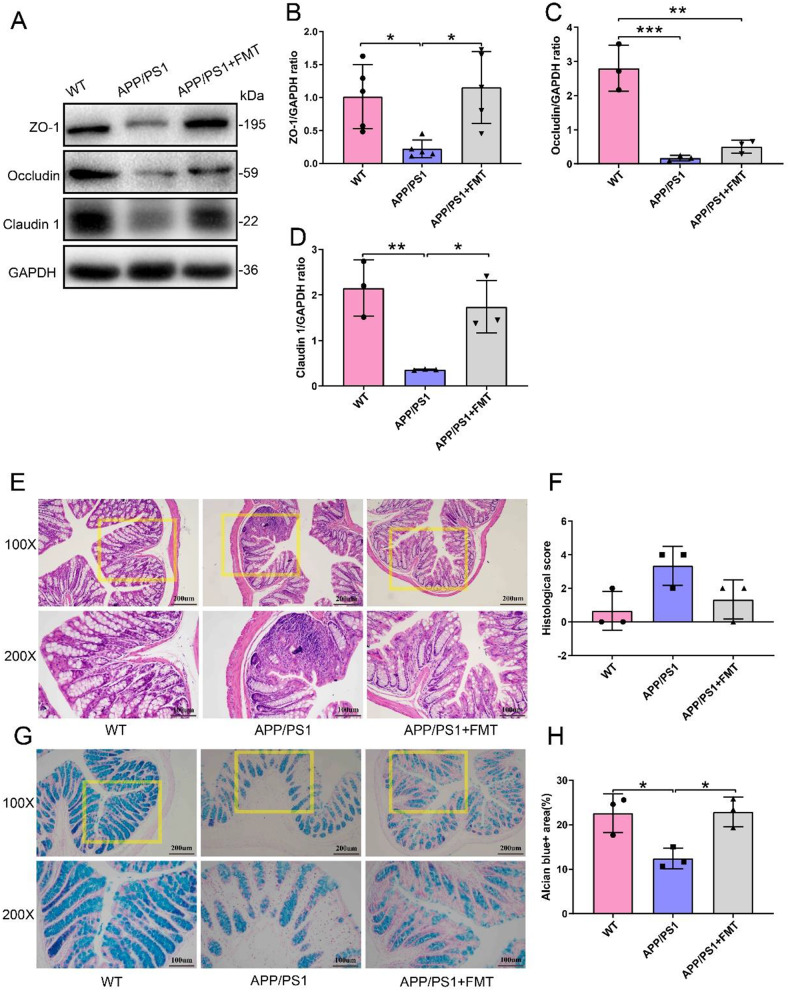
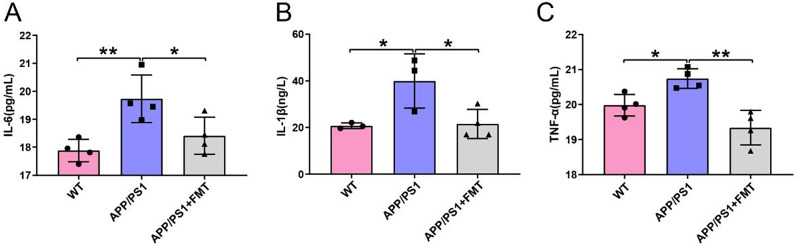
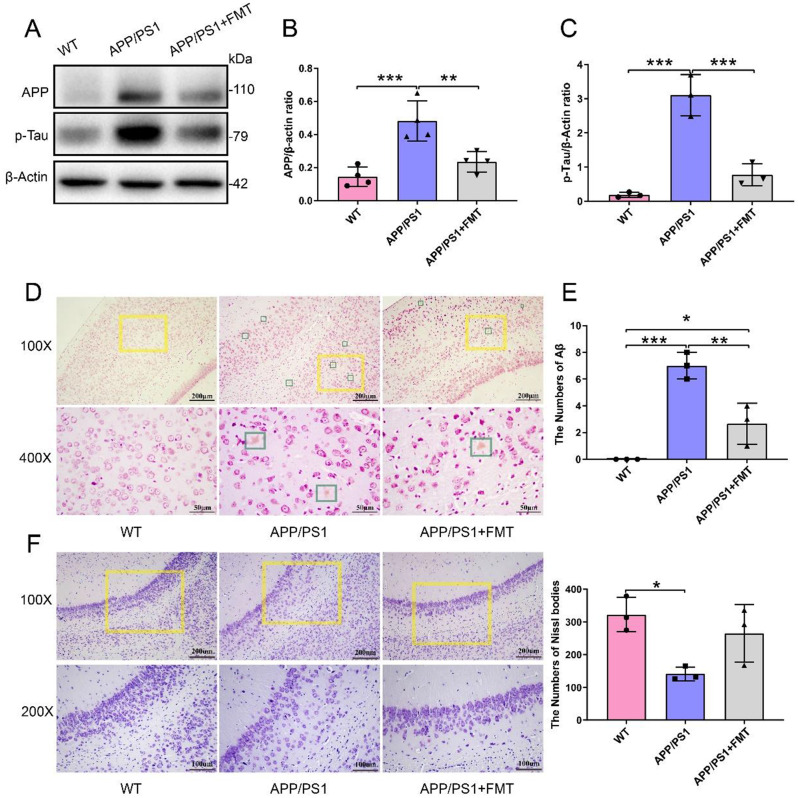
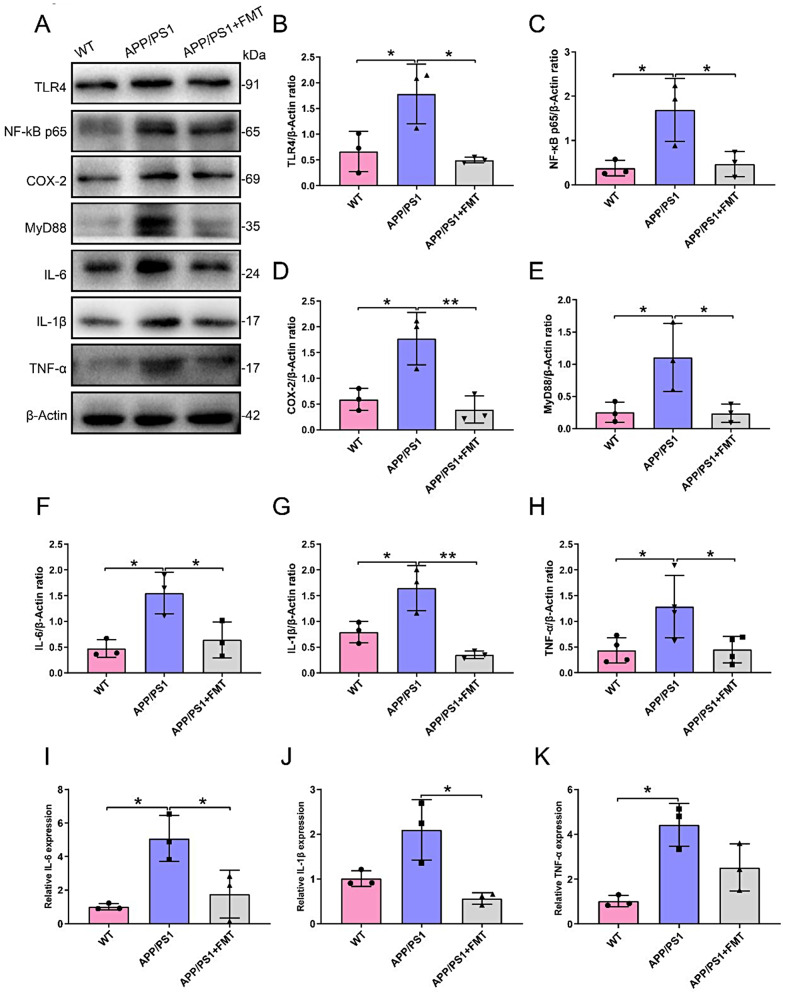
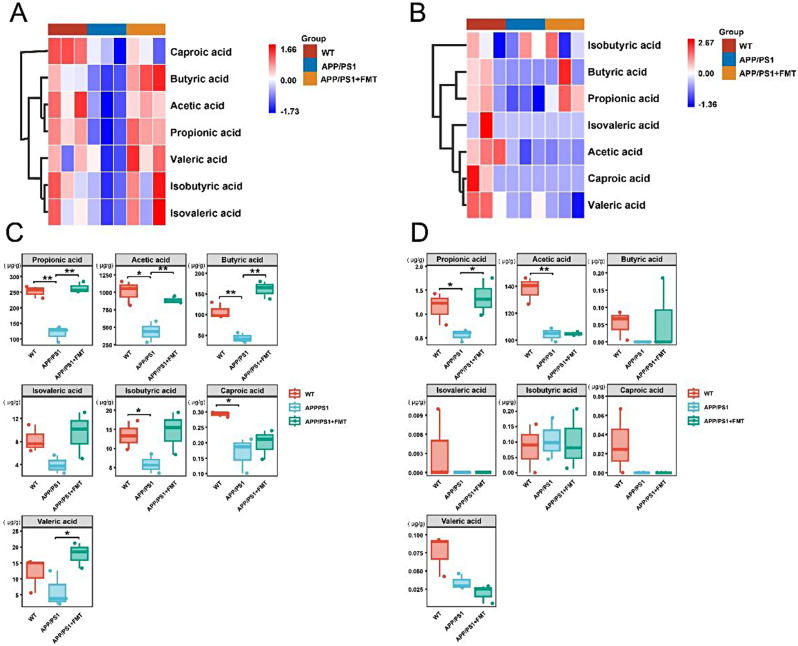
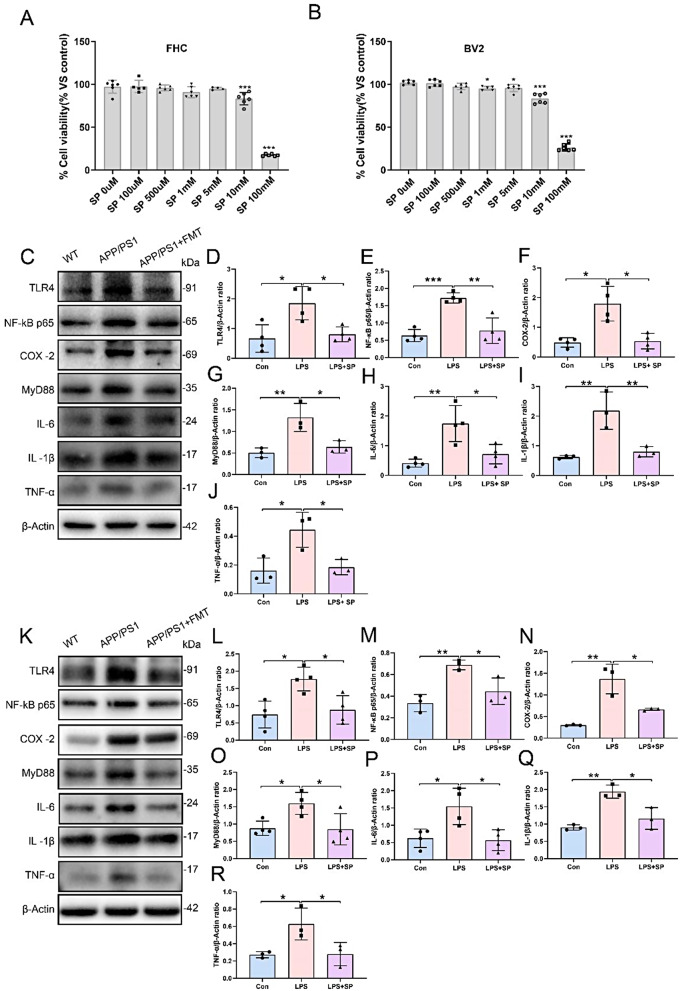
Alzheimer's disease (AD) is a prevalent and progressive neurodegenerative disorder that is the leading cause of dementia. The underlying mechanisms of AD have not yet been completely explored. Neuroinflammation, an inflammatory response mediated by certain mediators, has been exhibited to play a crucial role in the pathogenesis of AD. Additionally, disruption of the gut microbiota has been found to be associated with AD, and fecal microbiota transplantation (FMT) has emerged as a potential therapeutic approach. However, the precise mechanism of FMT in the treatment of AD remains elusive. In this study, FMT was performed by transplanting fecal microbiota from healthy wild-type mice into APP/PS1 mice (APPswe, PSEN1dE9) to assess the effectiveness of FMT in mitigating AD-associated inflammation and to reveal its precise mechanism of action. The results demonstrated that FMT treatment improved cognitive function and reduced the expression levels of inflammatory factors by regulating the TLR4/MyD88/NF-κB signaling pathway in mice, which was accompanied by the restoration of gut microbial dysbiosis. These findings suggest that FMT has the potential to ameliorate AD symptoms and delay the disease progression in APP/PS1 mice.
阿尔茨海默病(AD)是一种常见的进行性神经退行性疾病,是痴呆症的主要病因。AD的潜在机制尚未完全阐明。神经炎症是由某些介质介导的炎症反应,已被证明在AD的发病机制中起关键作用。此外,肠道微生物群的破坏已被发现与AD有关,粪便微生物群移植(FMT)已成为一种潜在的治疗方法。然而,FMT治疗AD的确切机制仍不清楚。在本研究中,通过将健康野生型小鼠的粪便微生物群移植到APP/PS1小鼠(APPswe,PSEN1dE9)中进行FMT,以评估FMT减轻AD相关炎症的有效性,并揭示其确切作用机制。结果表明,FMT治疗可改善小鼠的认知功能,并通过调节TLR4/MyD88/NF-κB信号通路降低炎症因子的表达水平,同时伴随着肠道微生物群失调的恢复。这些发现表明,FMT有可能改善APP/PS1小鼠的AD症状并延缓疾病进展。