James Steven, Saiyed Mahira, James Olive, Gokalani Rutul, Paterson Megan, Mehta Kiran Mejia, Klatman Emma, Craft Judy, Mehta Roopa
School of Health, University of the Sunshine Coast, Moreton Parade, Petrie, QLD, 4502, Australia.
Faculty of Medicine, Dentistry and Health Sciences, University of Melbourne, Parkville, VIC, 3052, Australia.
Diabetes Ther. 2025 Mar;16(3):329-348. doi: 10.1007/s13300-024-01688-2. Epub 2025 Jan 12.
Young adulthood is well documented as being a particularly challenging area of type 1 diabetes (T1D) healthcare. Many young adults with T1D (YAT1D) are distracted from effective disease self-management; T1D healthcare service engagement can be problematic and inconsistent, and high rates of unplanned healthcare contacts prevail. Video conferencing use can facilitate services to be flexible and responsive. We aimed to evaluate clinical outcomes and satisfaction related to the use of videoconferencing for T1D healthcare in YAT1D.
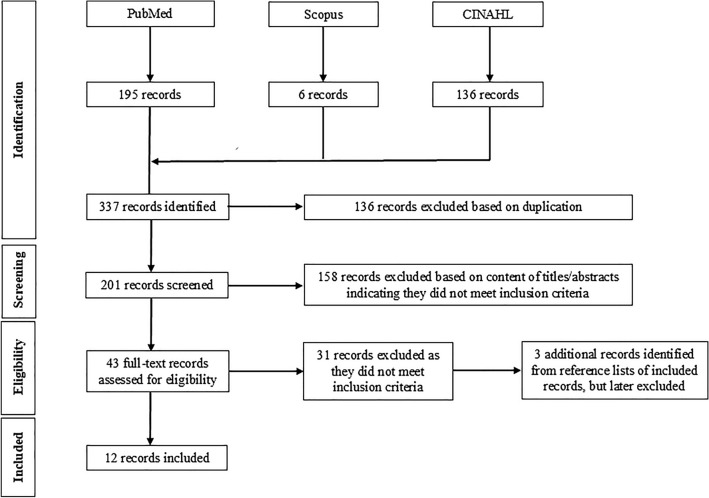
A quantitative narrative review was undertaken, using a systematic process. PubMed, Scopus and CINAHL were searched (until August 2023) to identify relevant articles, using Medical Subject Headings and keywords. A total of 12 records (eight studies) from four countries were retrieved.
Ten records considered clinical outcomes; eight of these records focused on the effectiveness of videoconferencing as part of routine care. Findings largely demonstrate benefits to glycaemic control, particularly when used during the COVID-19 pandemic; no data were available relating to the impact of videoconferencing use on blood pressure and lipid control in YAT1D. Four records considered satisfaction with use of videoconferencing, with data indicating YAT1D were satisfied with the use of videoconferencing technology.
There is a need to configure T1D healthcare services to incorporate and offer use of videoconferencing technology, where applicable, appropriate and acceptable for YAT1D, and feasible and workable for service providers. This will require some adjustments from healthcare systems and possible changes to funding mechanisms.
青年期是1型糖尿病(T1D)医疗保健中一个特别具有挑战性的领域,这一点已有充分记录。许多患有T1D的年轻人(YAT1D)在有效的疾病自我管理方面注意力分散;T1D医疗服务的参与可能存在问题且不一致,计划外医疗接触率很高。使用视频会议可以使服务更加灵活和响应迅速。我们旨在评估在YAT1D中使用视频会议进行T1D医疗保健相关的临床结果和满意度。
采用系统的方法进行了定量叙述性综述。检索了PubMed、Scopus和CINAHL(截至2023年8月),以使用医学主题词和关键词识别相关文章。共检索到来自四个国家的12条记录(八项研究)。
十条记录考虑了临床结果;其中八条记录关注视频会议作为常规护理一部分的有效性。研究结果在很大程度上表明对血糖控制有益,尤其是在COVID-19大流行期间使用时;没有关于视频会议使用对YAT1D血压和血脂控制影响的数据。四条记录考虑了对视频会议使用的满意度,数据表明YAT1D对视频会议技术的使用感到满意。
有必要配置T1D医疗服务,在适用、合适且为YAT1D所接受、对服务提供者可行且行之有效的情况下,纳入并提供视频会议技术的使用。这将需要医疗系统进行一些调整,并可能改变资金机制。