Ren Zhong, Wang Xiaolu, Angelov Milen, De Zeeuw Chris I, Gao Zhenyu
Department of Neuroscience, Erasmus MC, Westzeedijk 353, 3015 AA, Rotterdam, the Netherlands.
Netherlands Institute for Neuroscience, Royal Dutch Academy of Arts & Science, 1105 BA, Amsterdam, the Netherlands.
Nat Commun. 2025 Jan 12;16(1):612. doi: 10.1038/s41467-025-55884-0.
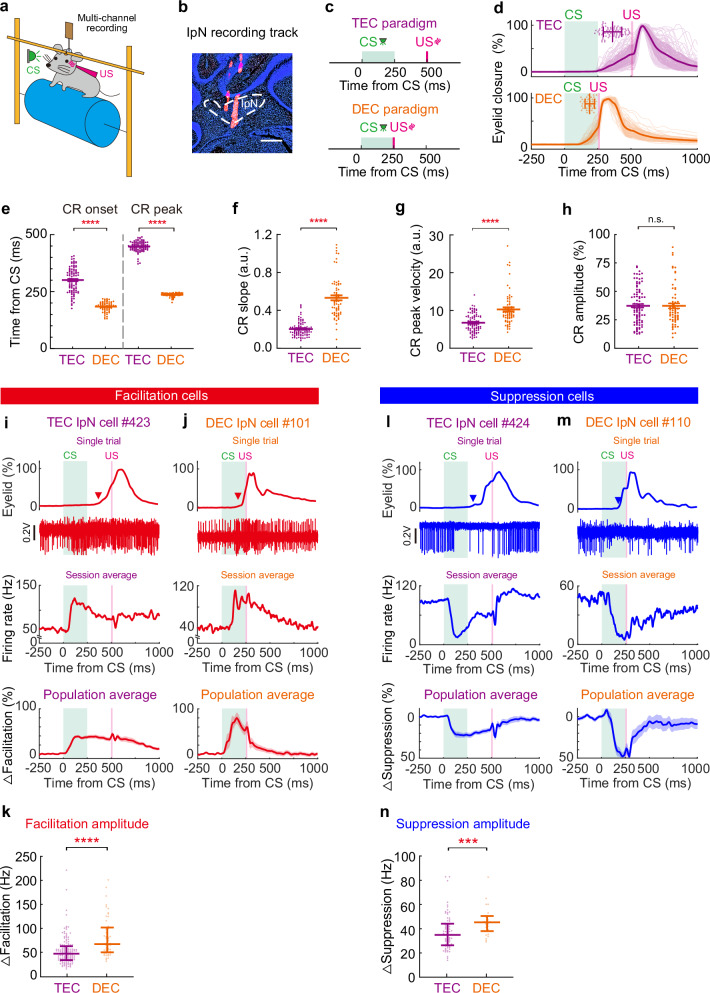
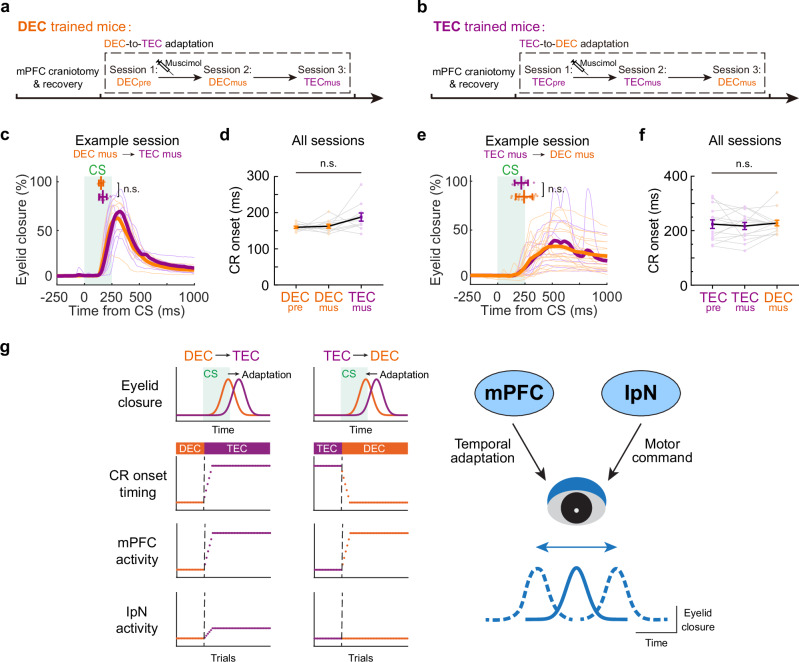
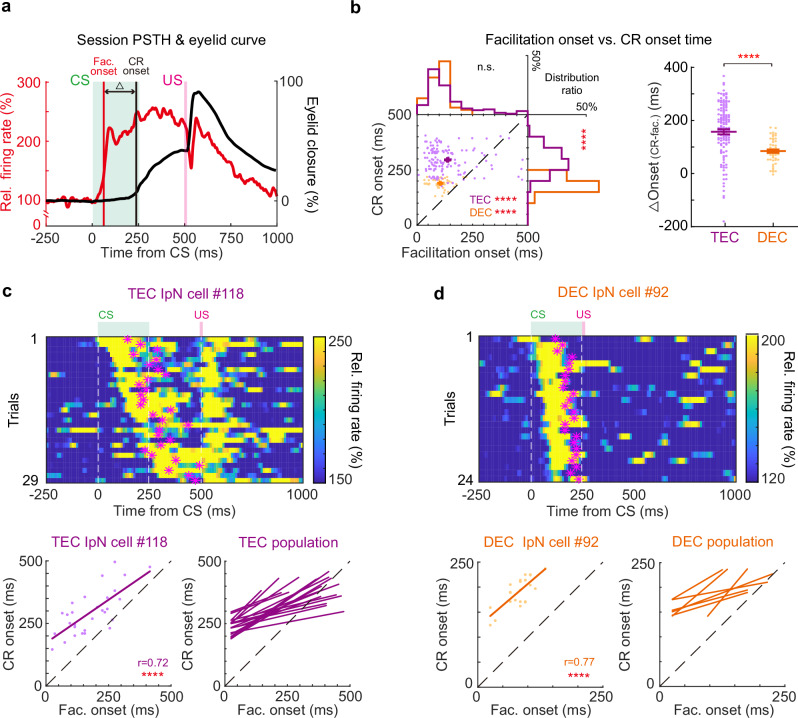
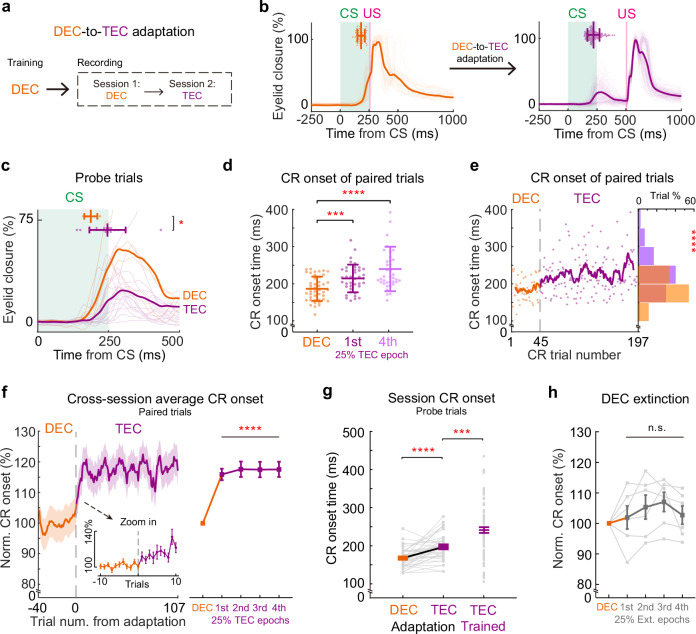
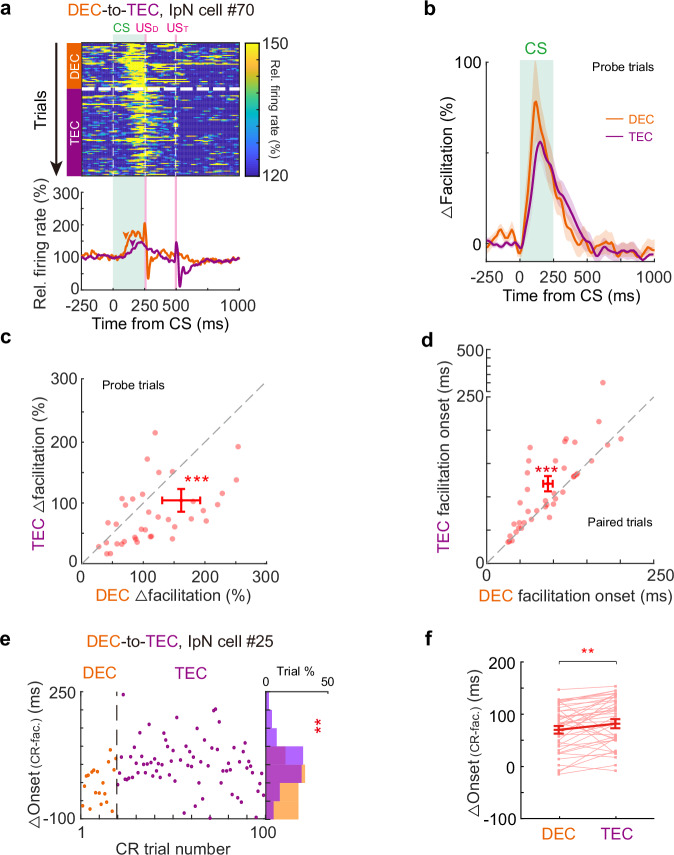
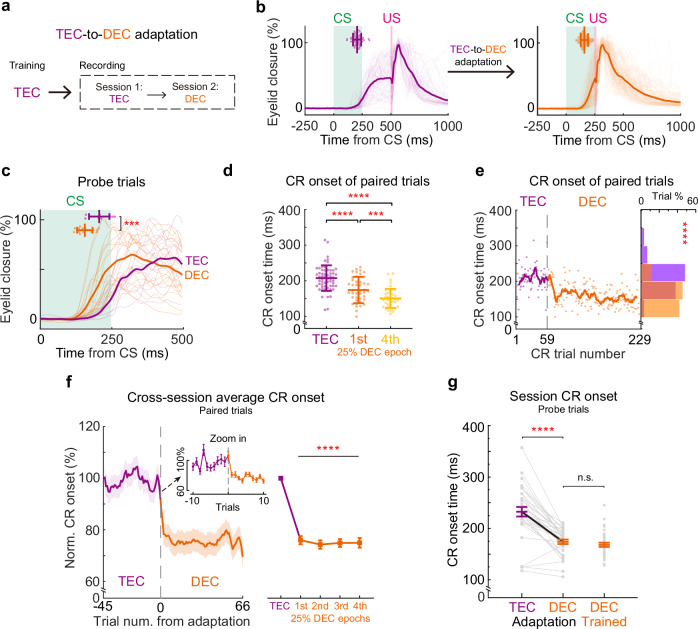
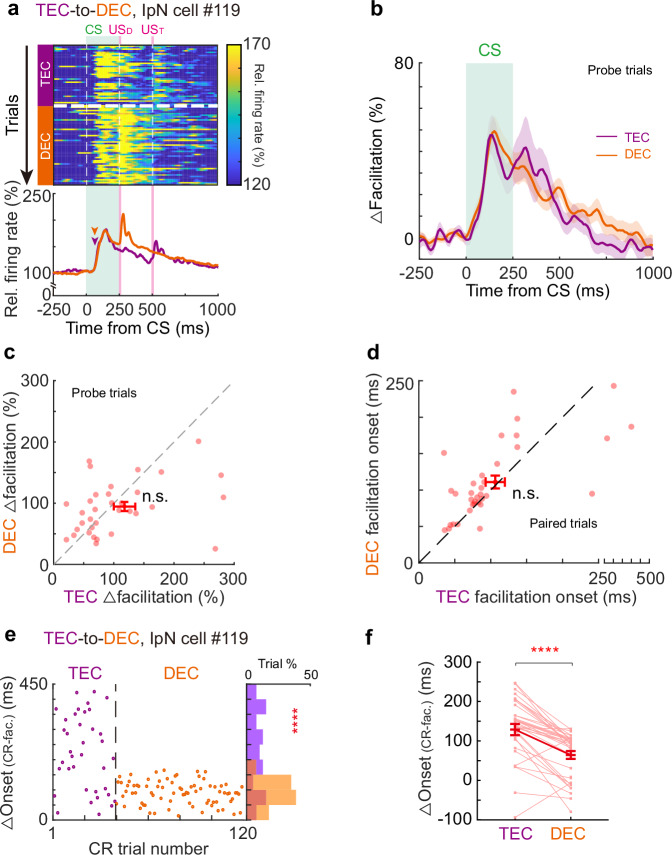
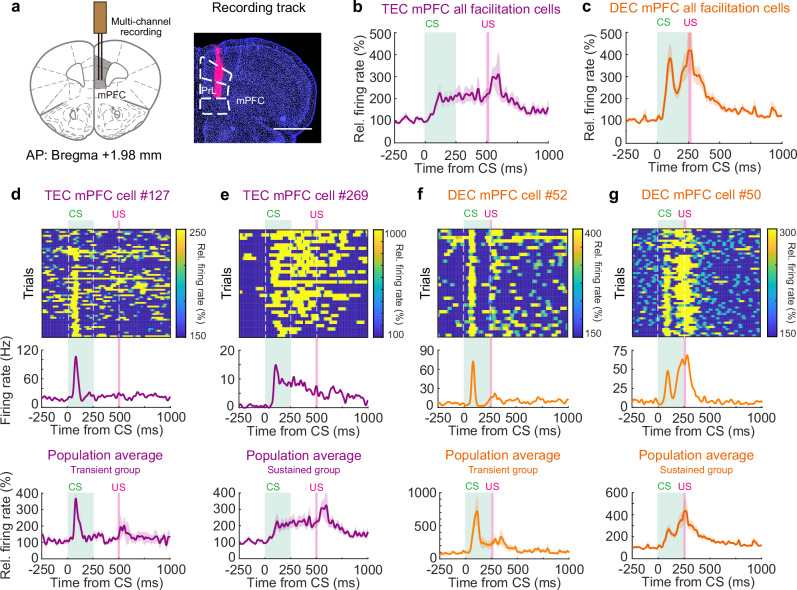
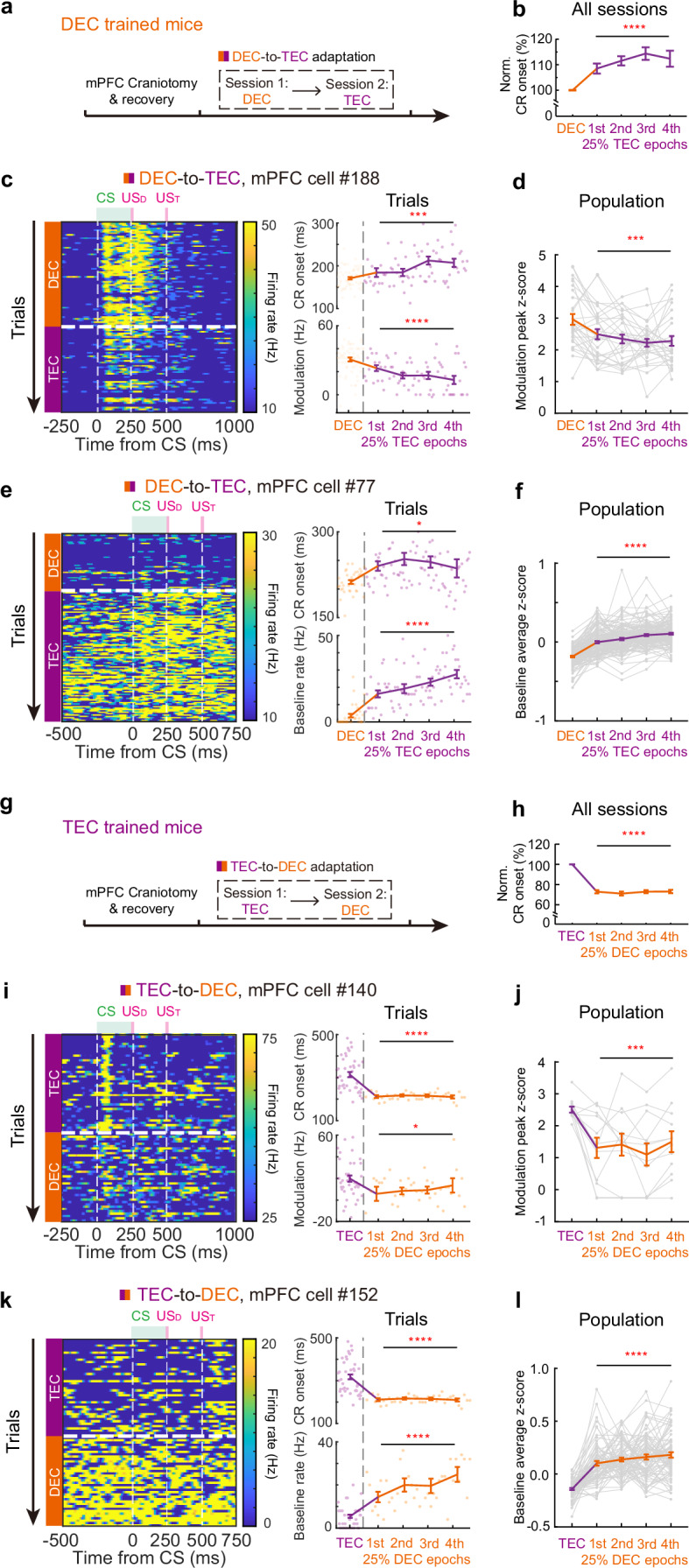
Precise temporal control of sensorimotor coordination and adaptation is a fundamental basis of animal behavior. How different brain regions are involved in regulating the flexible temporal adaptation remains elusive. Here, we investigated the neuronal dynamics of the cerebellar interposed nucleus (IpN) and the medial prefrontal cortex (mPFC) neurons during temporal adaptation between delay eyeblink conditioning (DEC) and trace eyeblink conditioning (TEC). When mice were trained for either DEC or TEC and subsequently subjected to a new paradigm, their conditioned responses (CRs) adapted virtually instantaneously. Changes in the activity of the IpN neurons related to CR timing were prominent during DEC-to-TEC adaptation, but less so during TEC-to-DEC adaptation. In contrast, mPFC neurons could rapidly alter their modulation patterns during both adaptation paradigms. Accordingly, silencing the mPFC completely blocked the adaptation of CR timing. These results illustrate how cerebral and cerebellar mechanisms may play different roles during adaptive control of associative motor timing.
感觉运动协调和适应的精确时间控制是动物行为的基本基础。不同脑区如何参与调节灵活的时间适应仍不清楚。在这里,我们研究了在延迟眨眼条件反射(DEC)和痕迹眨眼条件反射(TEC)之间的时间适应过程中,小脑间位核(IpN)和内侧前额叶皮层(mPFC)神经元的神经动力学。当小鼠接受DEC或TEC训练并随后接受新范式时,它们的条件反应(CRs)几乎瞬间适应。在从DEC到TEC的适应过程中,与CR时间相关的IpN神经元活动变化很明显,但在从TEC到DEC的适应过程中则不太明显。相比之下,mPFC神经元在两种适应范式中都能迅速改变其调制模式。因此,沉默mPFC完全阻断了CR时间的适应。这些结果说明了大脑和小脑机制在联合运动时间的适应性控制过程中可能如何发挥不同的作用。