Qiao Yiting, Luo Miao, Wang Yufei, Qi Haoxiang, Wang Menglan, Pei Yunxin, Sun Mengqing, Zhang Zhengguo, Huang Jiacheng, Gong Pengyu, Zheng Shusen, Chen Jianxiang
Division of Hepatobiliary and Pancreatic Surgery, Department of Surgery, The First Affiliated Hospital, Zhejiang University School of Medicine, Hangzhou 310003, China.
School of Pharmacy, Institute of Hepatology and Metabolic Diseases, Department of Hepatology, the Affiliated Hospital of Hangzhou Normal University, Hangzhou Normal University, Hangzhou 311121, China.
Acta Pharm Sin B. 2024 Dec;14(12):5418-5434. doi: 10.1016/j.apsb.2024.07.020. Epub 2024 Jul 27.
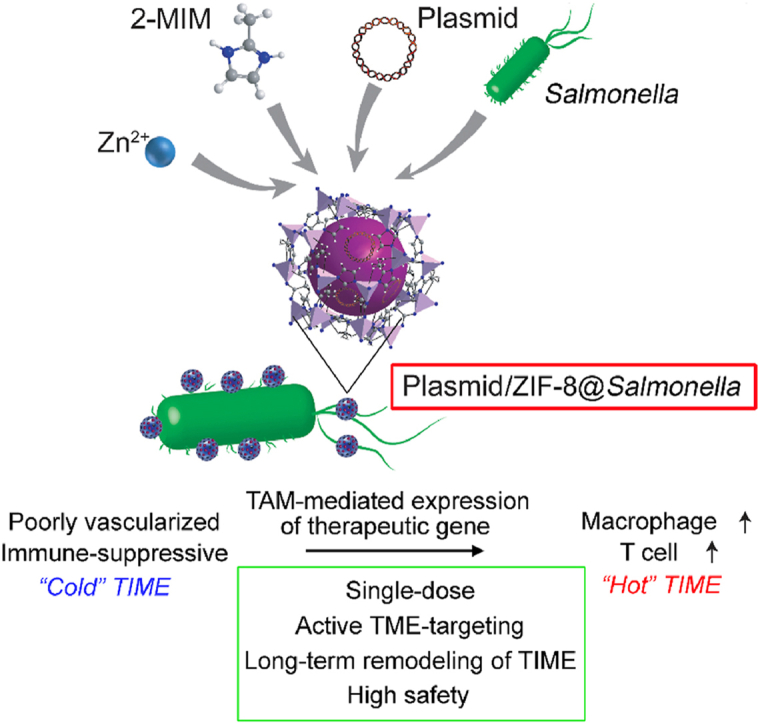
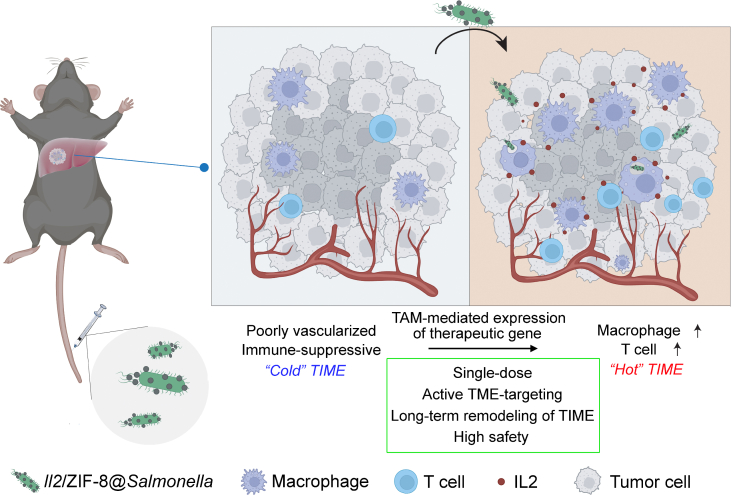
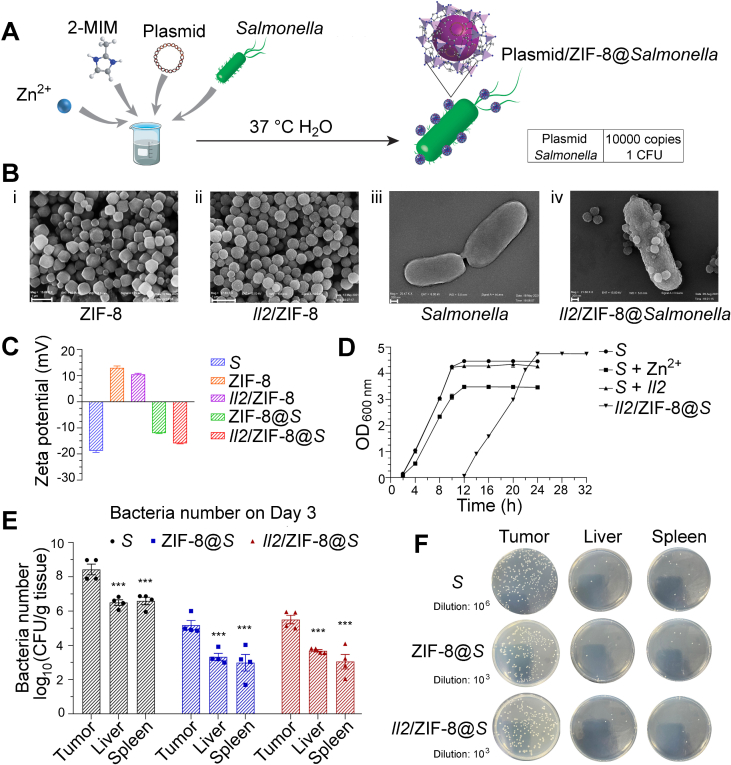
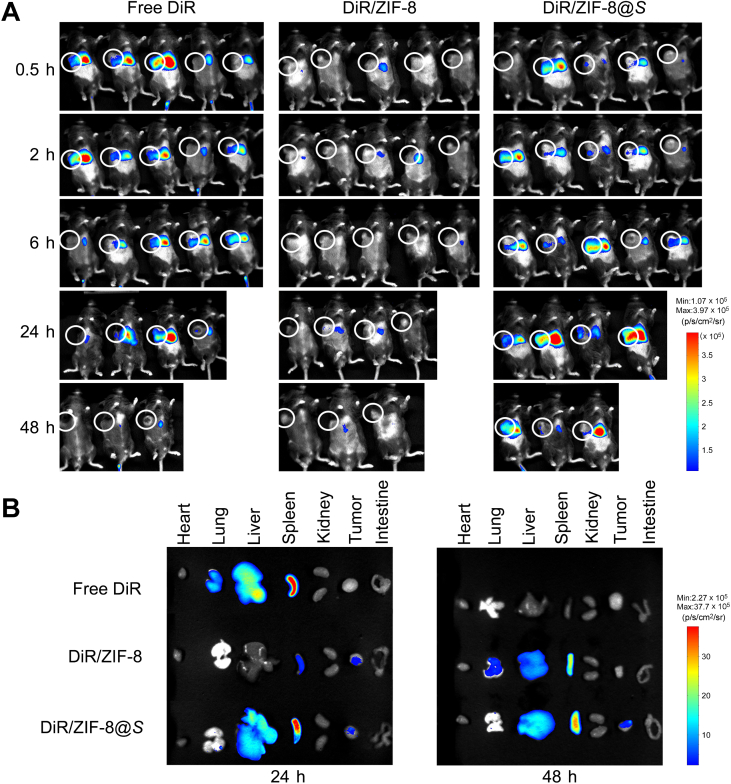
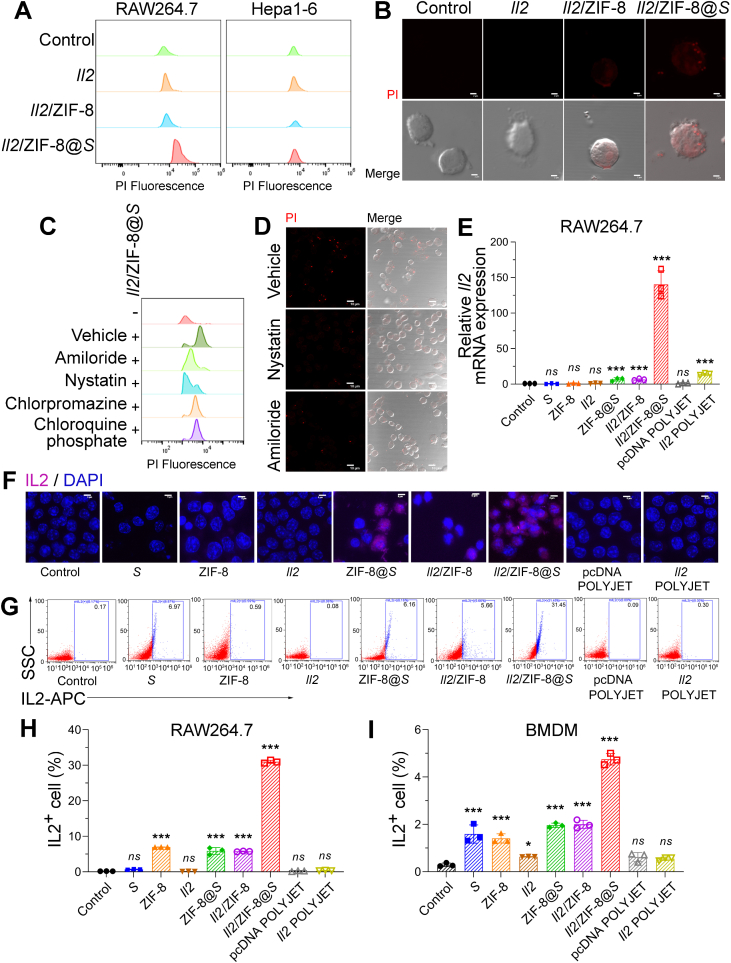
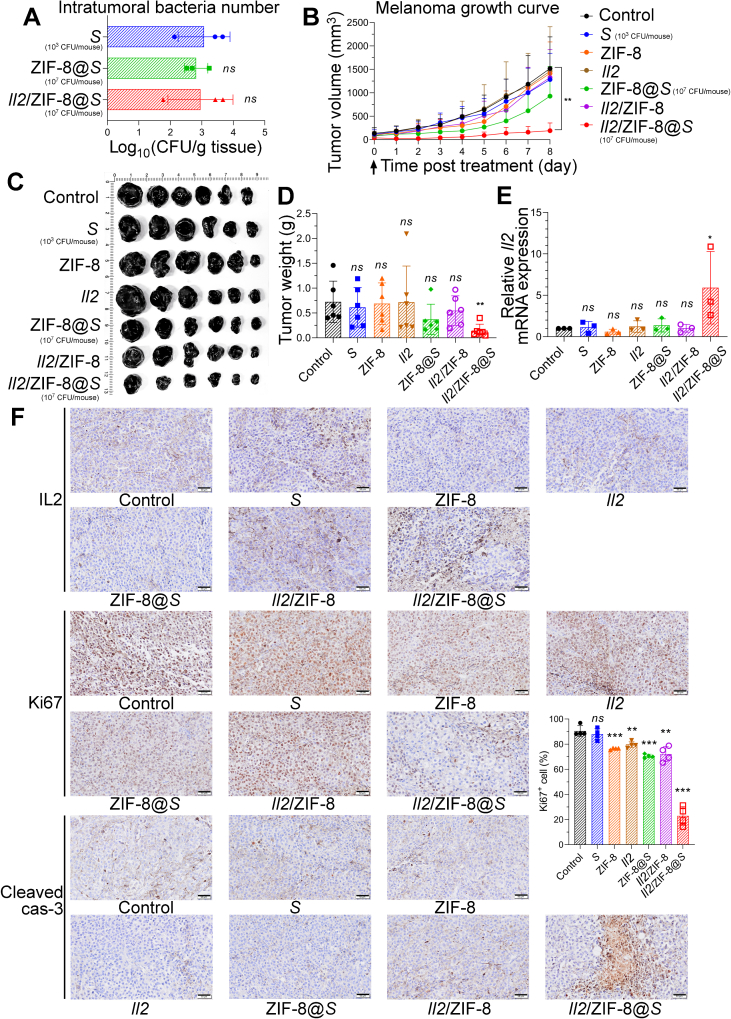
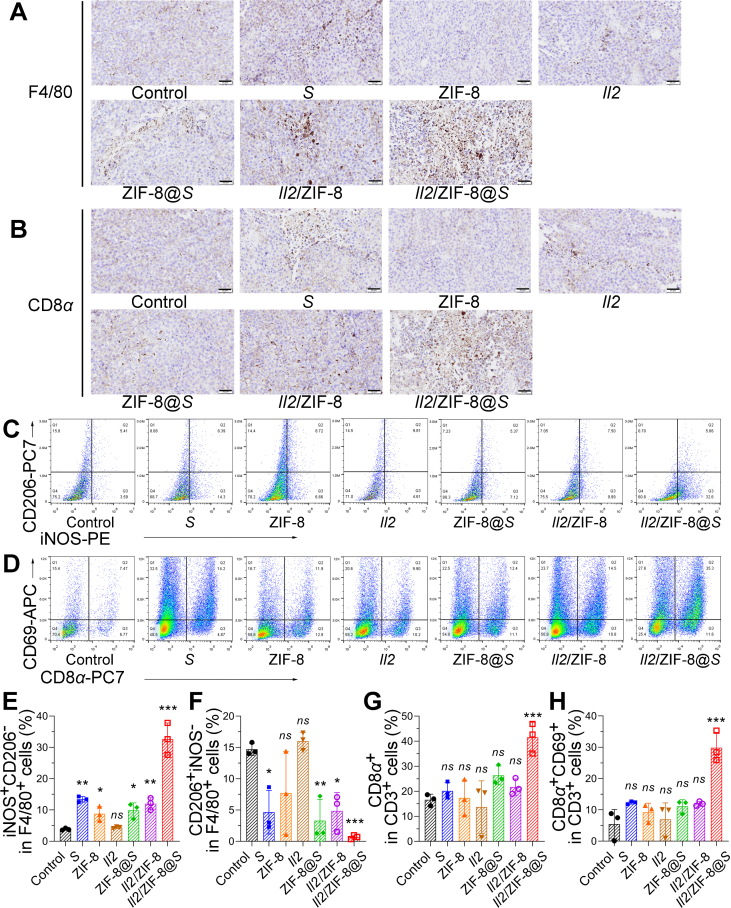
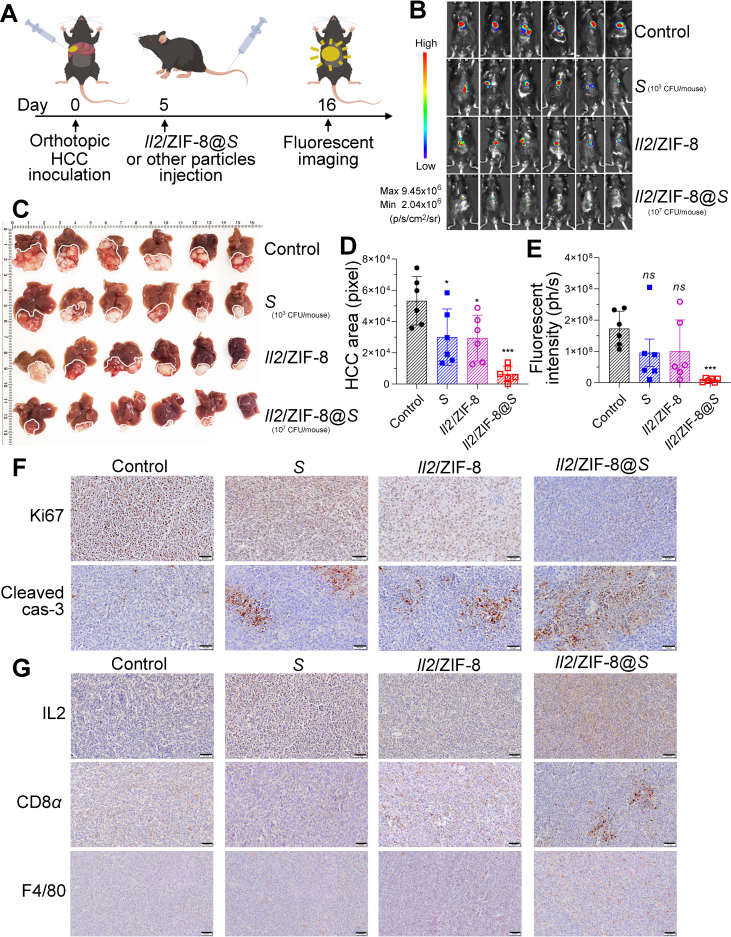
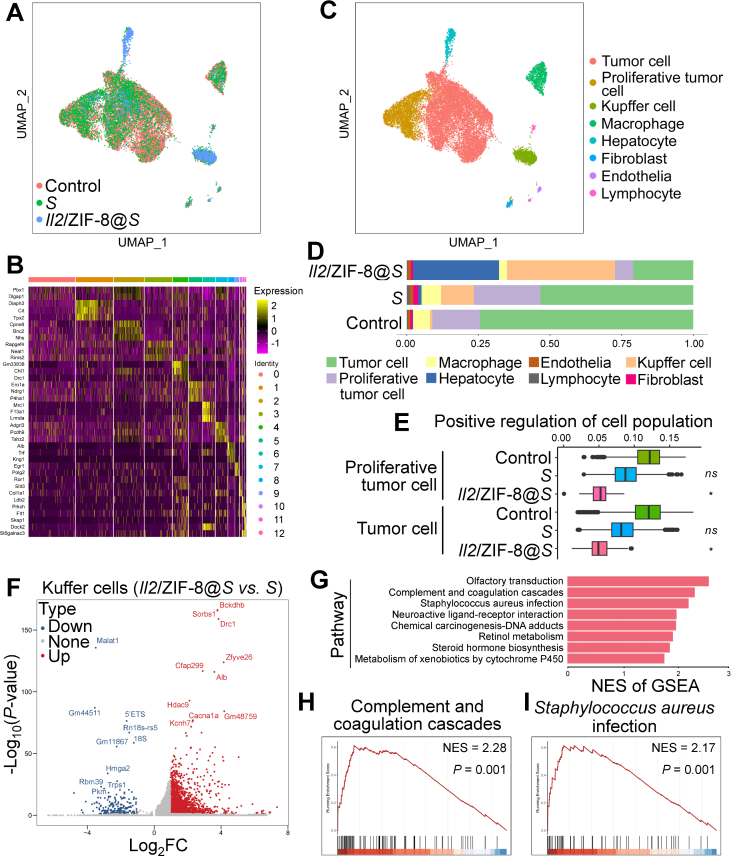
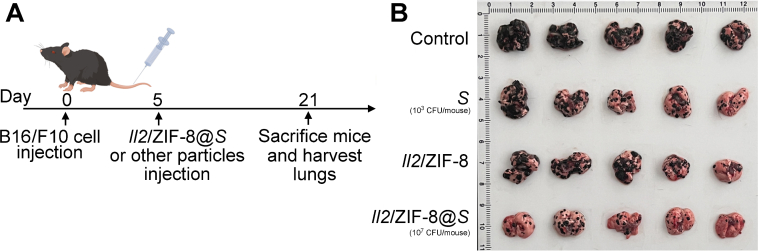
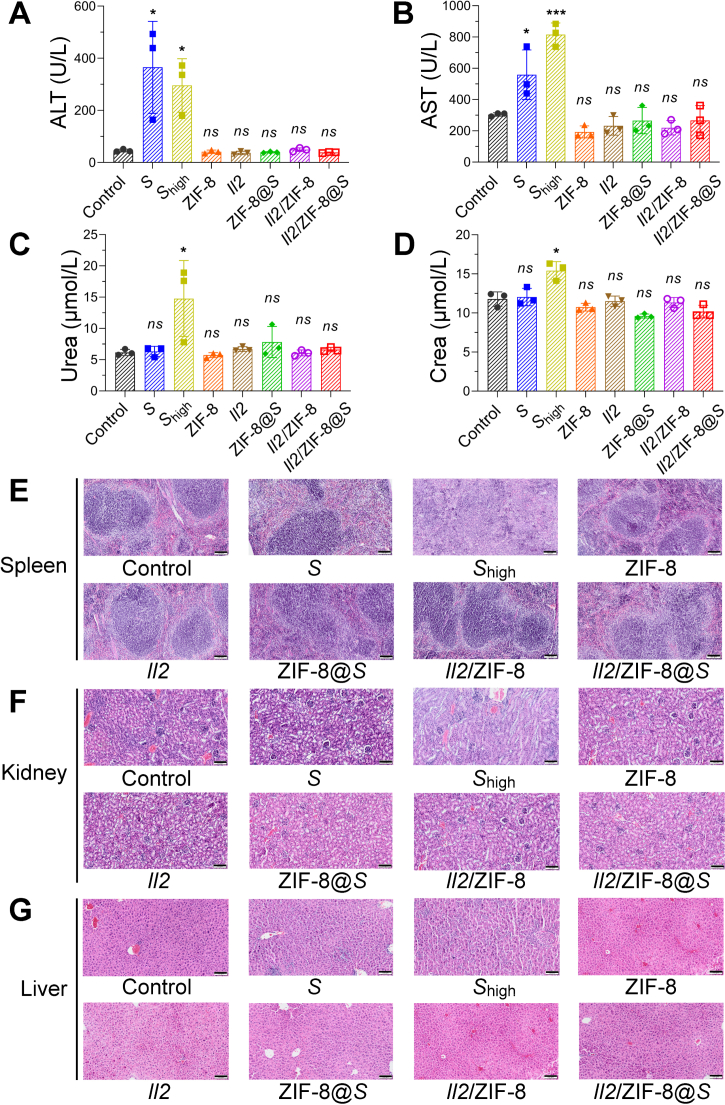
Specific tumor-targeted gene delivery remains an unsolved therapeutic issue due to aberrant vascularization in tumor microenvironment (TME). Some bacteria exhibit spontaneous chemotaxis toward the anaerobic and immune-suppressive TME, which makes them ideal natural vehicles for cancer gene therapy. Here, we conjugated ZIF-8 metal-organic frameworks encapsulating eukaryotic murine interleukin 2 () expression plasmid onto the surface of VNP20009, an attenuated strain with well-documented anti-cancer activity, and constructed a TME-targeted delivery system named /ZIF-8@. Both and experiments demonstrated that /ZIF-8@ maintained the tumor-targeting feature of bacteria, and could be effectively phagocytosed by intratumoral macrophages, thus leading to the expression and secretion of IL2 in TME. The detailed analysis of tumor immune microenvironment (TIME) showed that one dose of combinatorial /ZIF-8@ achieved synergistic actions on a potent remodeling of TIME, marked by the activation of cytotoxic T cells and M1-polarization of macrophages in TME, thus leading to significant anti-tumor effects in melanoma, orthotopic hepatocellular carcinoma, and pulmonary metastasis models. More importantly, /ZIF-8@ exhibited high safety to major organs and hematopoietic systems. Taken together, we report a novel plasmid/ZIF-8@ system that simultaneously achieves effective TME-targeted delivery of therapeutic gene, as well as synergistic re-activation of TIME.
由于肿瘤微环境(TME)中血管生成异常,特异性肿瘤靶向基因递送仍然是一个未解决的治疗问题。一些细菌对厌氧和免疫抑制性TME表现出自发趋化性,这使其成为癌症基因治疗的理想天然载体。在此,我们将包裹真核小鼠白细胞介素2(IL2)表达质粒的ZIF-8金属有机框架缀合到VNP20009表面,VNP20009是一种具有充分记录的抗癌活性的减毒株,并构建了一种名为IL2/ZIF-8@VNP20009的TME靶向IL2递送系统。体内和体外实验均表明,IL2/ZIF-8@VNP20009保持了细菌的肿瘤靶向特性,并且能够被肿瘤内巨噬细胞有效吞噬,从而导致TME中IL2的表达和分泌。对肿瘤免疫微环境(TIME)的详细分析表明,一剂组合的IL2/ZIF-8@VNP20009对TIME的有效重塑具有协同作用,其标志是TME中细胞毒性T细胞的激活和巨噬细胞的M1极化,从而在黑色素瘤、原位肝细胞癌和肺转移模型中产生显著的抗肿瘤作用。更重要的是,IL2/ZIF-8@VNP20009对主要器官和造血系统表现出高安全性。综上所述,我们报道了一种新型的质粒/IL2/ZIF-8@VNP20009系统,其同时实现了治疗基因的有效TME靶向递送以及TIME的协同重新激活。