Zeng Xinyi, Li Ye, Liu Yang, Chen Yaoying, Liu Yajing, Song Mengwei, Chen Tao
College of Basic Medicine, Guilin Medical University, Guilin, 541199, P.R. China.
Guangxi Key Laboratory of Diabetic Systems Medicine, Guilin Medical University, Guilin, 541199, P.R. China.
BMC Genomics. 2025 Jan 14;26(1):34. doi: 10.1186/s12864-025-11225-5.
Gyrodactylus von Nordmann, 1832, a genus of viviparous parasites within the family Gyrodactylidae, contains one of the largest nominal species in the world. Gyrodactylus pseudorasborae Ondračková, Seifertová & Tkachenko, 2023 widely distributed in Europe and China, although its mitochondrial genome remains unclear. This study aims to sequence the mitogenome of G.pseudorasborae and clarify its phylogenetic relationship within the Gyrodactylidea. The mitochondrial genome of G. pseudorasborae was amplified in six parts from a single parasite, sequenced using primer walking, annotated and analyzed using bioinformatic tools.
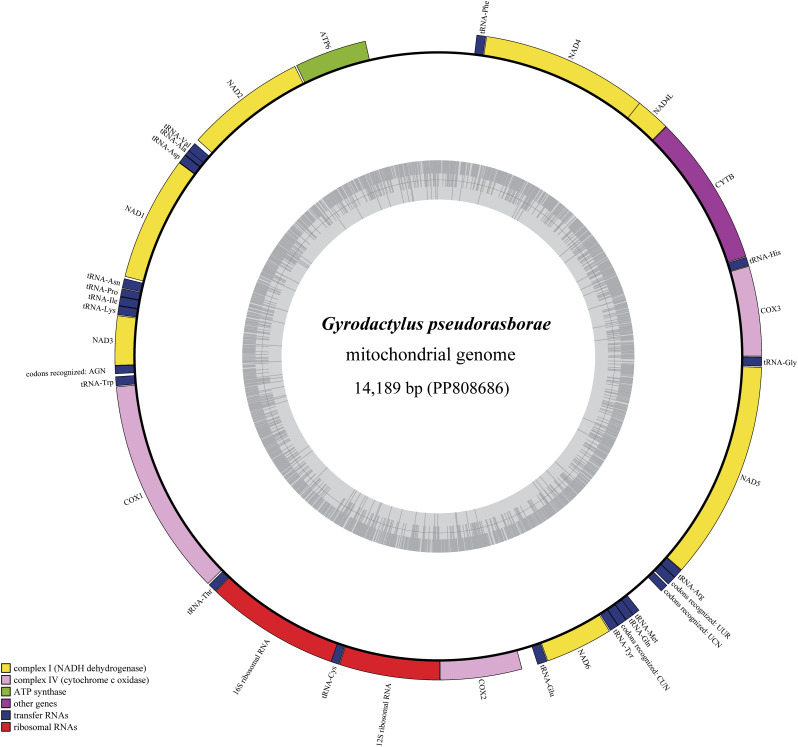
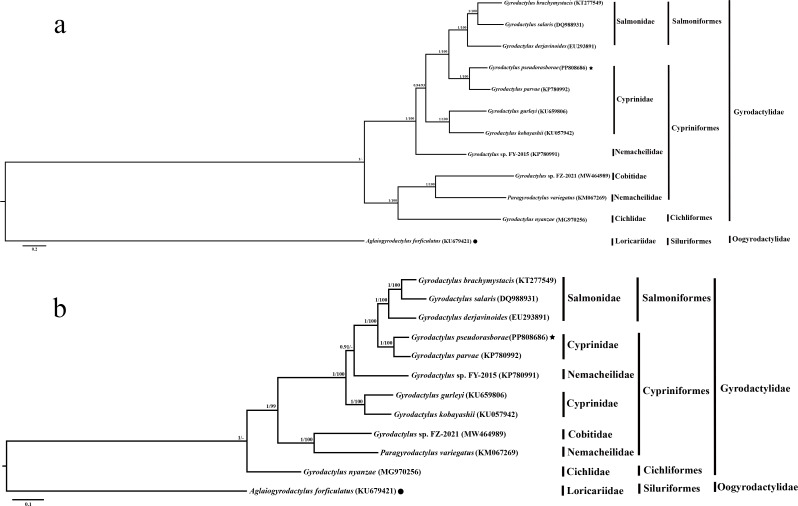
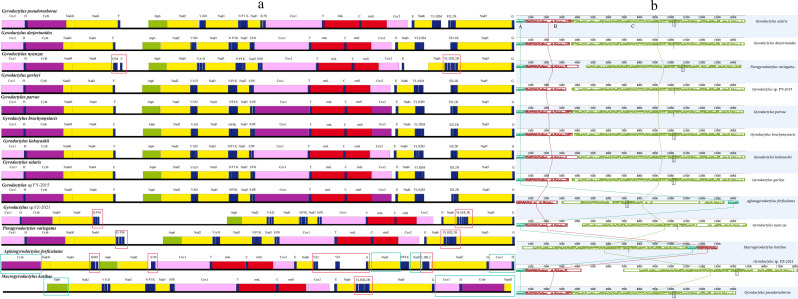
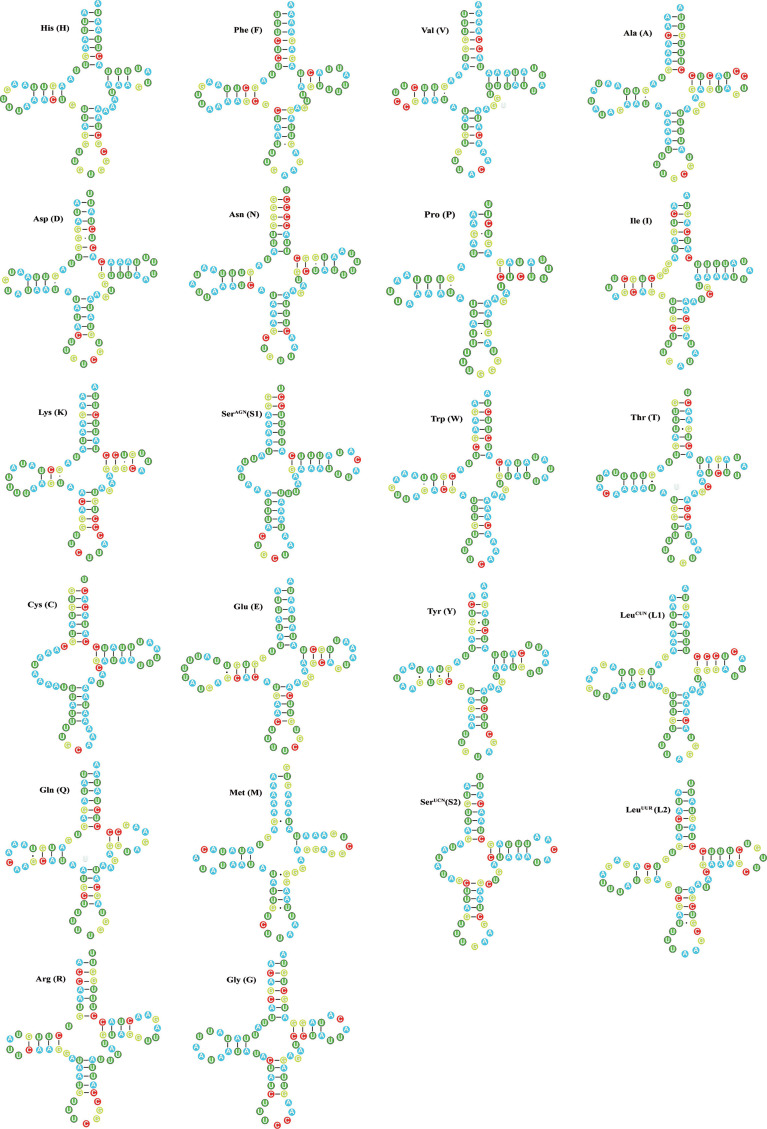
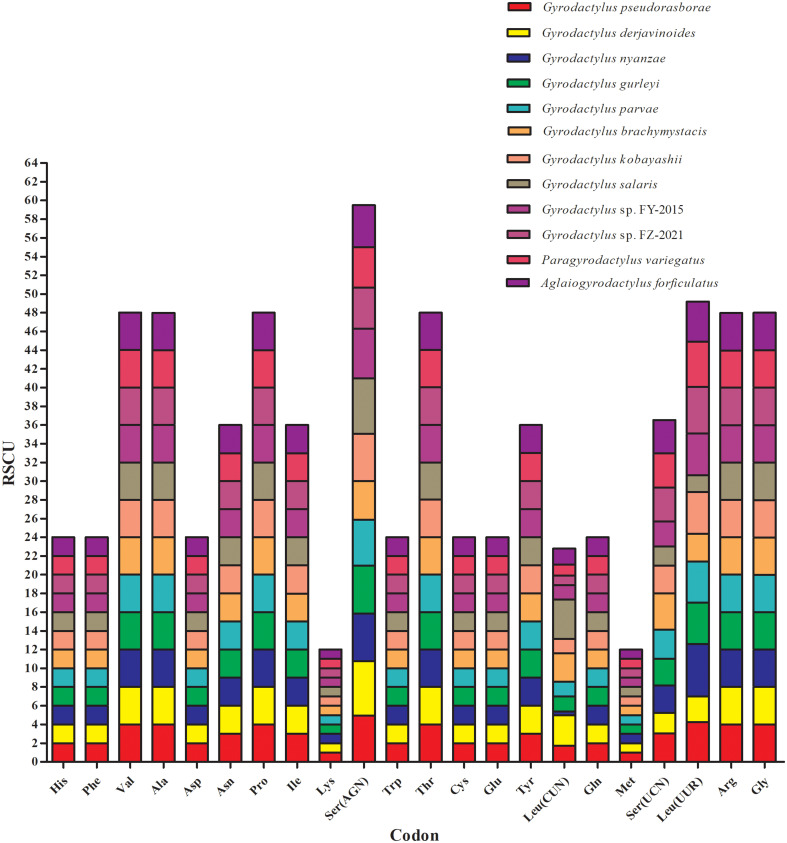
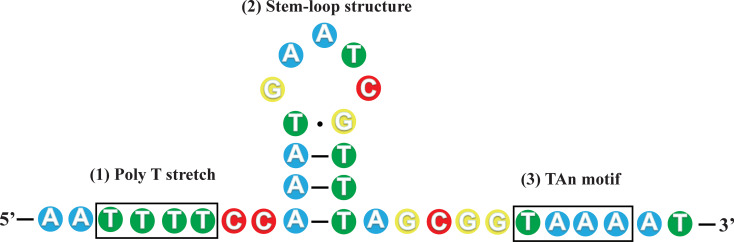
The mitochondrial genome of G. pseudorasborae is 14,189 bp in length, containing 12 protein-coding genes (PCGs), 22 transfer RNA genes (tRNAs), two ribosomal RNA genes (rRNAs), and two major non-coding regions (NCR: NC1 and NC2). The overall A + T content of the mitogenome is 73.1%, a medium content compared with all reported mitochondrial genomes of monogeneans. The mitogenome of G. pseudorasborae presents a clear bias in nucleotide composition with a negative AT skew and a positive GC skew except for NCR. All tRNAs have the typical cloverleaf secondary structure except for tRNA, tRNA, and tRNA, which lack the dihydrouridine (DHU) arm. Furthermore, one repetitive non-coding region of 32 bp repeats occurred in the NC1 region with poly-T stretch, stem-loop structure, and TAn motif. The gene order is identical to the mitochondrial genomes reported from other Gyrodactylus species except Gyrodactylus nyanzae Paperna, 1973 and Gyrodactylus sp. FZ-2021. Phylogenetic analyses show that G. pseudorasborae and Gyrodactylus parvae You, Easy & Cone, 2008 cluster together with high nodal support based on 12 PCGs sequences and amino acid sequences, Gyrodactylidae forms independent monophyletic clade within Gyrodactylidea.
Both the mitochondrial genome and phylogenetic analyses support G. pseudorasborae is a member of the genus Gyrodactylus and Gyrodactylidae forms an independent monophyletic clade within Gyrodactylidea. Furthermore, the mitochondrial genome of G. pseudorasborae is the shortest in the Gyrodactylidea species compared with size differences in NCR.
三代虫属(Gyrodactylus von Nordmann,1832)是三代虫科内的胎生寄生虫属,包含世界上最大的命名物种之一。似刺鳊鮈三代虫(Gyrodactylus pseudorasborae Ondračková, Seifertová & Tkachenko,2023)广泛分布于欧洲和中国,但其线粒体基因组仍不清楚。本研究旨在对似刺鳊鮈三代虫的线粒体基因组进行测序,并阐明其在三代虫目内的系统发育关系。似刺鳊鮈三代虫的线粒体基因组从单个寄生虫中扩增为六个部分,采用引物步移法进行测序,使用生物信息学工具进行注释和分析。
似刺鳊鮈三代虫的线粒体基因组长度为14,189 bp,包含12个蛋白质编码基因(PCGs)、22个转运RNA基因(tRNAs)、两个核糖体RNA基因(rRNAs)和两个主要非编码区(NCR:NC1和NC2)。线粒体基因组的总体A+T含量为73.1%,与所有已报道的单殖吸虫线粒体基因组相比为中等含量。似刺鳊鮈三代虫的线粒体基因组在核苷酸组成上呈现明显的偏向性,除NCR外,AT偏斜为负,GC偏斜为正。除tRNA、tRNA和tRNA缺乏二氢尿嘧啶(DHU)臂外,所有tRNA均具有典型的三叶草二级结构。此外,在NC1区域出现了一个32 bp重复的重复非编码区,具有多聚T延伸、茎环结构和TAn基序。基因顺序与除恩氏三代虫(Gyrodactylus nyanzae Paperna,1973)和三代虫FZ-物种(Gyrodactylus sp. FZ-2021)外的其他三代虫属物种报道的线粒体基因组相同。系统发育分析表明,基于12个PCGs序列和氨基酸序列,似刺鳊鮈三代虫和尤氏三代虫(Gyrodactylus parvae You, Easy & Cone,2008)在高节点支持下聚类在一起,三代虫科在三代虫目内形成独立的单系类群。
线粒体基因组和系统发育分析均支持似刺鳊鮈三代虫是三代虫属的成员,且三代虫科在三代虫目内形成独立的单系类群。此外,与NCR的大小差异相比,似刺鳊鮈三代虫的线粒体基因组是三代虫目物种中最短的。