Naveed Muhammad, Waseem Muhammad, Mahkdoom Izma, Ali Nouman, Asif Farrukh, Hassan Jawad Ul, Jamil Hamza
Department of Biotechnology, Faculty of Science and Technology, University of Central Punjab, Lahore, Pakistan.
National Institute of Biotechnology and Genetic Engineering, Faisalabad, Punjab, Pakistan.
Front Antibiot. 2024 Jan 26;2:1309107. doi: 10.3389/frabi.2023.1309107. eCollection 2023.
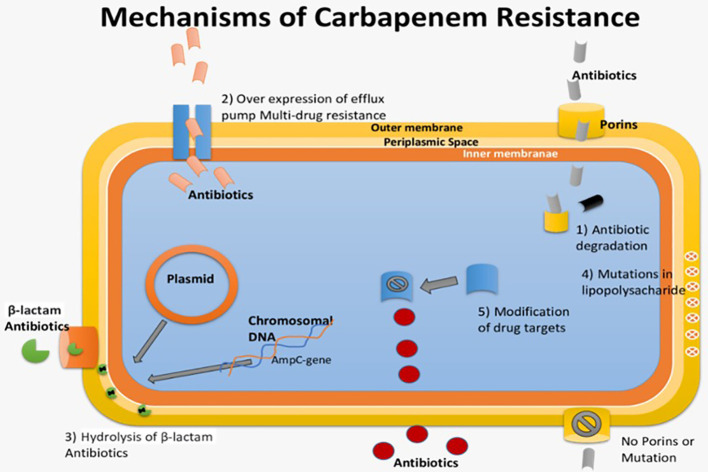
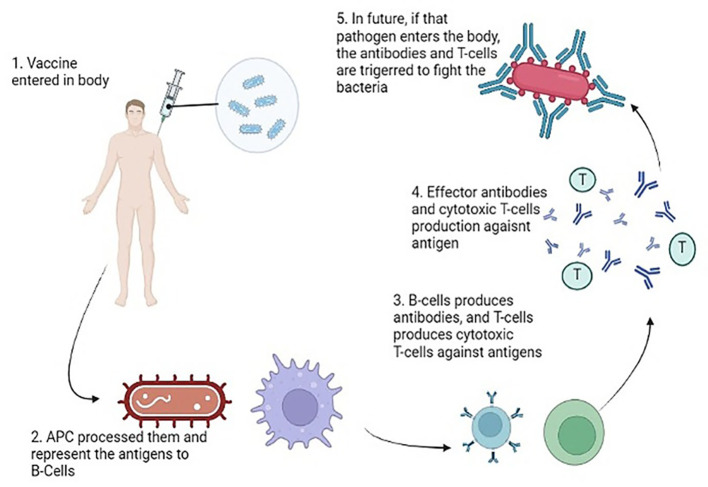
Multidrug-resistant organisms are bacteria that are no longer controlled or killed by specific drugs. One of two methods causes bacteria multidrug resistance (MDR); first, these bacteria may disguise multiple cell genes coding for drug resistance to a single treatment on resistance (R) plasmids. Second, increased expression of genes coding for multidrug efflux pumps, which extrude many drugs, can cause MDR. Antibiotic resistance is a big issue since some bacteria may withstand almost all antibiotics. These bacteria can cause serious sickness, making them a public health threat. Methicillin-resistant (MRSA), vancomycin-resistant (VRE), Multidrug resistant (TB), and CRE are gut bacteria that resist antibiotics. Antimicrobial resistance is rising worldwide, increasing clinical and community morbidity and mortality. Superbugs have made antibiotic resistance in some environmental niches even harder to control. This study introduces new medicinal plants, gene-editing methods, nanomaterials, and bacterial vaccines that will fight MDR bacteria in the future.
多重耐药菌是指不再受特定药物控制或杀灭的细菌。有两种方式会导致细菌产生多重耐药性(MDR);其一,这些细菌可能会将多个编码耐药性的细胞基因伪装在耐药(R)质粒上,以应对单一治疗。其二,编码多药外排泵的基因表达增加,这些外排泵能排出多种药物,从而导致多重耐药性。抗生素耐药性是一个大问题,因为有些细菌可能对几乎所有抗生素都有抗性。这些细菌会引发严重疾病,对公众健康构成威胁。耐甲氧西林金黄色葡萄球菌(MRSA)、耐万古霉素肠球菌(VRE)、多重耐药结核杆菌(TB)和耐碳青霉烯类肠杆菌(CRE)都是对抗生素具有抗性的肠道细菌。全球范围内抗菌药物耐药性正在上升,增加了临床和社区的发病率及死亡率。超级细菌使得某些环境生态位中的抗生素耐药性更难控制。本研究介绍了未来将对抗多重耐药菌的新型药用植物、基因编辑方法、纳米材料和细菌疫苗。