Zorowitz Richard D, Barrenechea Laura Serrano, Butet Simon, Groppa Sergiu, Hernández Herrero David, Prasad Rama, Sandars Susan, Meloni Seema, Page Simon, Maisonobe Pascal, Picelli Alessandro
MedStar National Rehabilitation Network and Georgetown University School of Medicine, Washington, District of Columbia, USA
Southern Älvsborg Hospital, Borås, Sweden.
BMJ Open. 2025 Jan 15;15(1):e087404. doi: 10.1136/bmjopen-2024-087404.
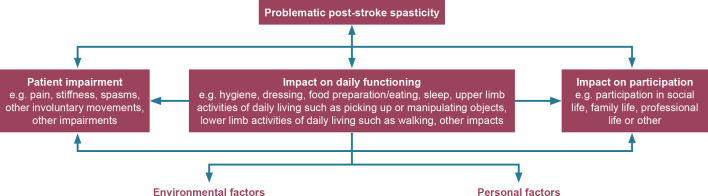
Current care plans for stroke survivors typically focus on acute management, resulting in many stroke survivors being discharged to their communities without adequate follow-up, despite their often experiencing significant post-stroke complications, such as post-stroke spasticity (PSS). While studies have explored the incidence and prevalence of PSS, little is known about how early PSS develops and how many stroke survivors develop 'problematic' PSS that would benefit from pharmacological treatment.
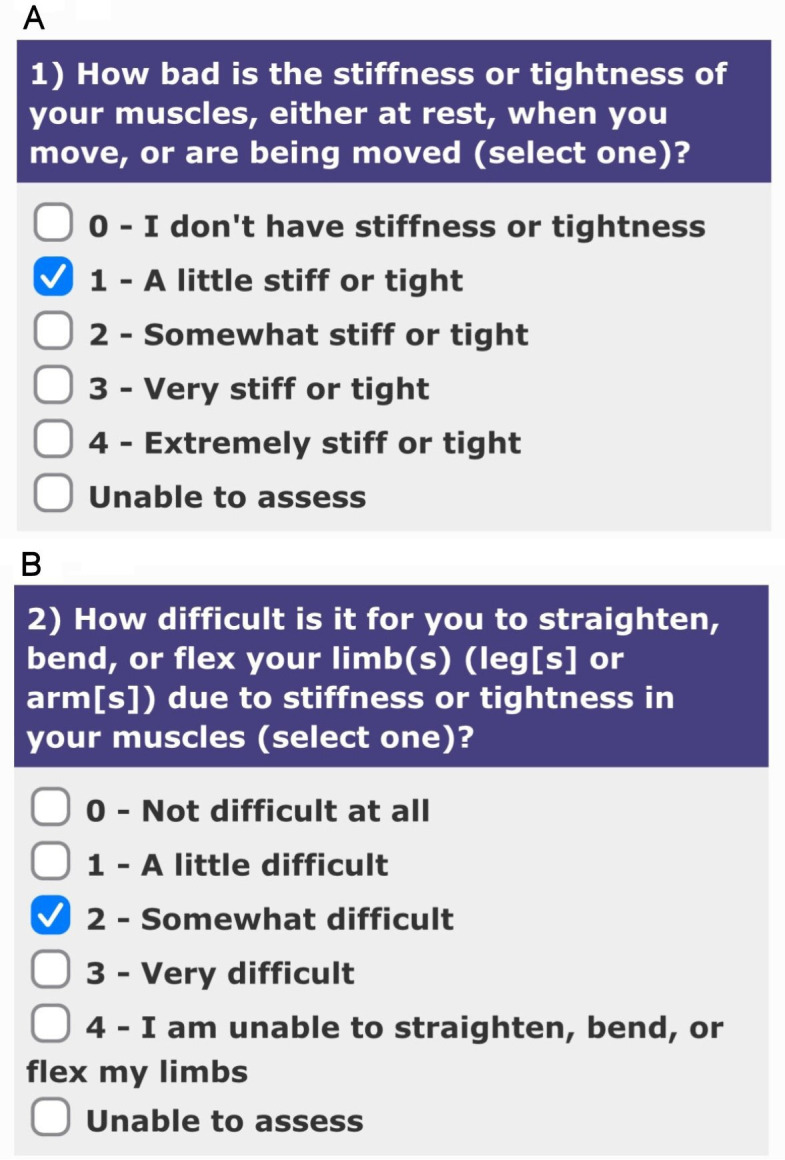
EPITOME is a prospective, international, observational, epidemiological study of participants (aged 18-90 years) who develop paresis within days 3-14 of a first-ever stroke that occurred within the past 4 weeks. Participants at sites across seven different countries are monitored remotely at 2 weeks and 1, 2, 3, 6, 9 and 12 months post-stroke to detect the possible onset of PSS using the Post-stroke Spasticity Monitoring Questionnaire (PSMQ). If the PSMQ indicates the possible presence of PSS, participants undergo a full in-clinic assessment to confirm the presence of PSS. For participants with confirmed PSS, the severity and distribution of spasticity is documented, and the investigator assesses whether the participant has spasticity that could benefit from pharmacological therapy. Participants without clinically confirmed PSS return to remote monitoring.
Ethics approval was obtained in all seven participating countries. Results will be published at international meetings and in an international peer-reviewed journal. Lay summaries will be prepared to accompany the primary paper and will also be provided to study participants.
ClinicalTrials.gov NCT06055725.
目前针对中风幸存者的护理计划通常侧重于急性期管理,这导致许多中风幸存者在出院回到社区后没有得到充分的随访,尽管他们经常会经历严重的中风后并发症,如中风后痉挛(PSS)。虽然已有研究探讨了PSS的发病率和患病率,但对于PSS多早开始出现以及有多少中风幸存者会发展为可从药物治疗中获益的“问题性”PSS却知之甚少。
EPITOME是一项针对在过去4周内首次中风后3至14天内出现轻瘫的参与者(年龄在18 - 90岁之间)的前瞻性、国际性、观察性流行病学研究。来自七个不同国家的研究点的参与者在中风后2周、1、2、3、6、9和12个月接受远程监测,使用中风后痉挛监测问卷(PSMQ)来检测PSS可能的发病情况。如果PSMQ表明可能存在PSS,参与者将接受全面的门诊评估以确认PSS的存在。对于确诊为PSS的参与者,记录痉挛的严重程度和分布情况,研究人员评估参与者的痉挛是否可从药物治疗中获益。未得到临床确诊为PSS的参与者则继续接受远程监测。
七个参与国都获得了伦理批准。研究结果将在国际会议上发表,并发表在国际同行评审期刊上。将准备非专业摘要以配合主要论文,并提供给研究参与者。
ClinicalTrials.gov NCT06055725。