Lameire Darius L, Ramelli Luca, Halai Mansur, Wasserstein David, Park Sam Si-Hyeong
Division of Orthopaedic Surgery, Department of Surgery , University of Toronto, Toronto, ON, Canada.
Queen's School of Medicine, Queen's University, Kingston, ON, Canada.
BMC Musculoskelet Disord. 2025 Jan 20;26(1):71. doi: 10.1186/s12891-025-08286-8.
Achilles tendon ruptures are the most common lower extremity tendinous rupture. While there has been extensive research into the management of mid-substance Achilles tendon ruptures, there is a paucity of literature on the management of myotendinous Achilles tendon ruptures.
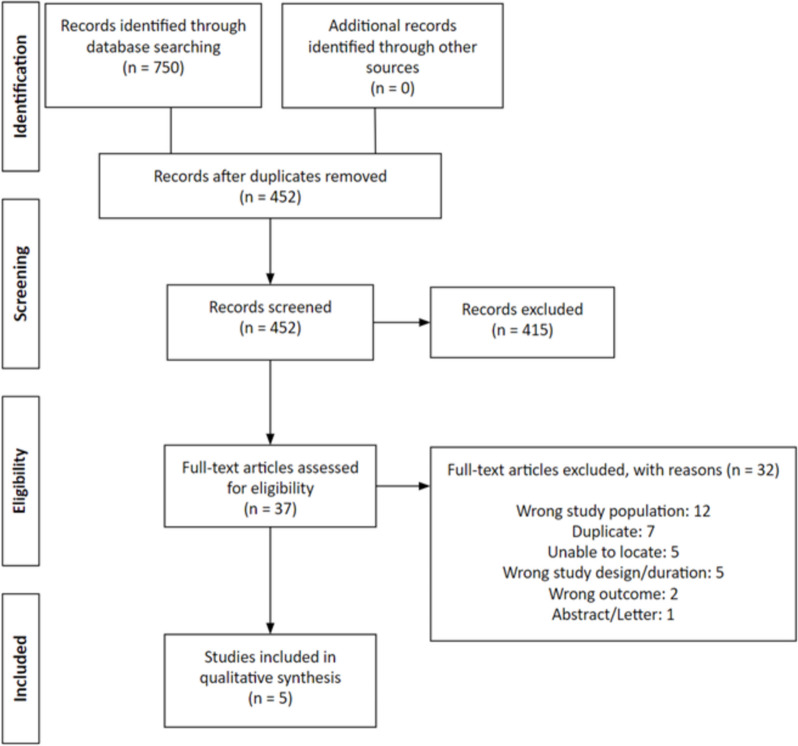
The aim of this systematic review is to compile all available literature on the treatment of myotendinous Achilles tendon tears. A systematic search of Web of Science, Embase, and Medline databases was performed for all studies published from database inception to April 13, 2024. All publications addressing the treatment of myotendinous Achilles ruptures of all levels of evidence were included. The PRISMA Checklist guided the reporting and data abstraction. Descriptive statistics are presented.
A total of five studies with 70 patients were included for analysis. Sixty-seven patients underwent non-operative management with an average age ranging from 40.8 to 51.0 years. Three patients underwent operative management with ages of 16, 36, and 39. The majority of patients tore their Achilles tendon during sports. For nonoperatively treated patients, one group underwent immobilization for a total of 6 weeks and one study treated patients with functional rehabilitation. All patients were able to perform a single heel-raise, had good reported strength, and returned to work or sport. Nonoperative patients reported statistically significant improvements in subjective outcomes and high rates of satisfaction.
Both nonoperative and operative management of myotendinous Achilles tendon ruptures demonstrated good outcomes after injury, although there is a limited amount of literature on this topic. Given that nonoperative treatment appears to yield good strength and return to activity, it may be preferred for the majority of patients. Operative management may be indicated in high level athletes. Imaging to determine the exact location of injury, quality of remaining tendon, and gap distance may further aid when considering treatment options. Higher level evidence studies are required to determine the optimal treatment of myotendinous Achilles tendon ruptures.
IV; Systematic review of Level IV-V studies.
跟腱断裂是最常见的下肢肌腱断裂。虽然对跟腱中段断裂的治疗已有广泛研究,但关于肌腱结合部跟腱断裂治疗的文献却很少。
本系统评价的目的是汇集所有关于肌腱结合部跟腱撕裂治疗的现有文献。对科学网、Embase和Medline数据库进行了系统检索,以查找从数据库建立到2024年4月13日发表的所有研究。纳入所有涉及不同证据水平的肌腱结合部跟腱断裂治疗的出版物。PRISMA清单指导报告和数据提取。呈现描述性统计数据。
共纳入五项研究,70例患者进行分析。67例患者接受非手术治疗,平均年龄在40.8至51.0岁之间。3例患者接受手术治疗,年龄分别为16岁、36岁和39岁。大多数患者在运动过程中发生跟腱断裂。对于非手术治疗的患者,一组固定6周,另一项研究采用功能康复治疗患者。所有患者均能单脚提踵,报告的肌力良好,并恢复工作或运动。非手术治疗的患者主观结果有统计学意义的改善,满意度高。
肌腱结合部跟腱断裂的非手术和手术治疗在损伤后均显示出良好的效果,尽管关于该主题的文献有限。鉴于非手术治疗似乎能产生良好的肌力并恢复活动能力,多数患者可能更倾向于选择非手术治疗。高水平运动员可能需要手术治疗。在考虑治疗方案时,通过影像学检查确定损伤的确切位置、剩余肌腱的质量和间隙距离可能会有更大帮助。需要更高水平证据的研究来确定肌腱结合部跟腱断裂的最佳治疗方法。
IV级;IV - V级研究的系统评价