Bräuer Stefan, Schniewind Iñaki, Dinter Elisabeth, Falkenburger Björn H
Department of Neurology, University Hospital Carl Gustav Carus, Technische Universität Dresden, Fetscherstr. 74, 01307, Dresden, Germany.
German Center for Neurodegenerative Diseases (DZNE), Tatzberg 41, 01307, Dresden, Germany.
Acta Neuropathol Commun. 2025 Jan 20;13(1):13. doi: 10.1186/s40478-024-01923-8.
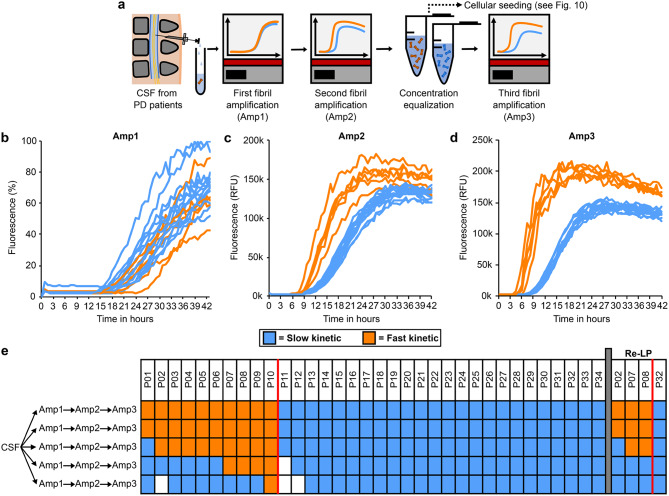
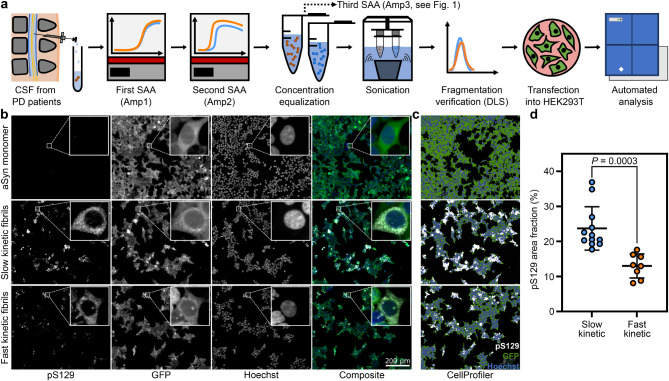
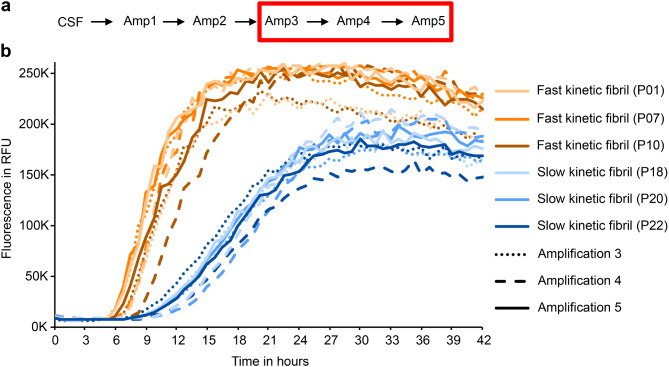
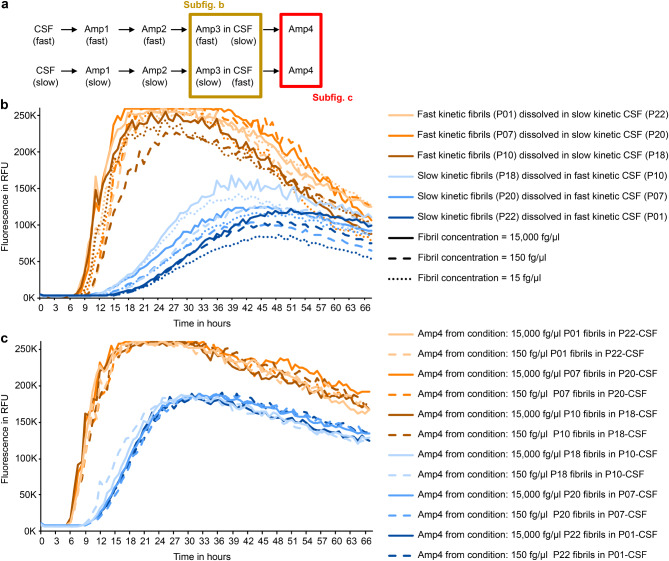
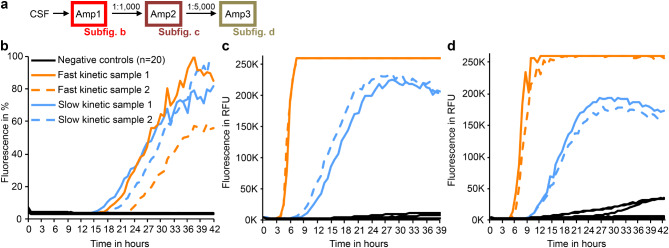
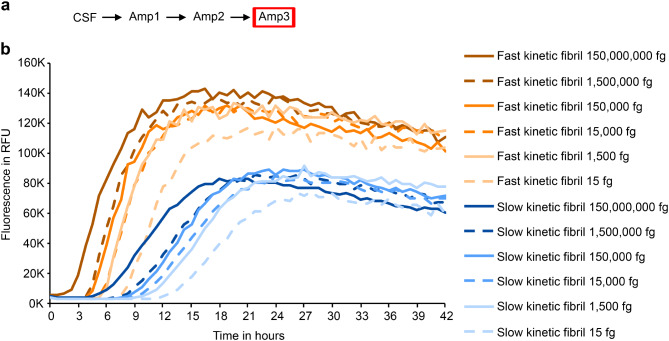
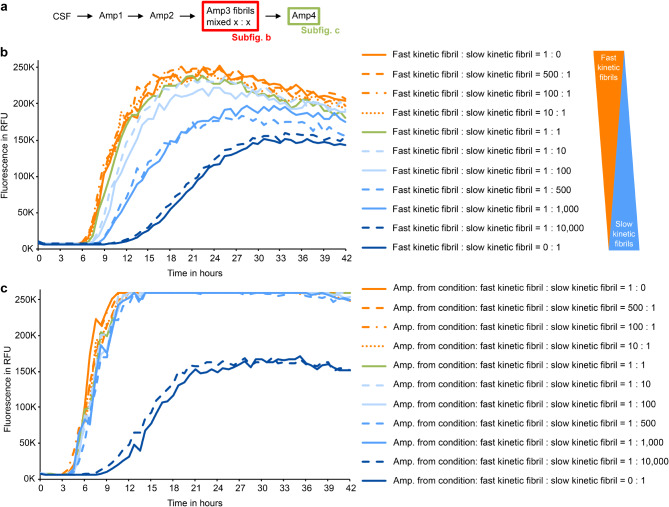
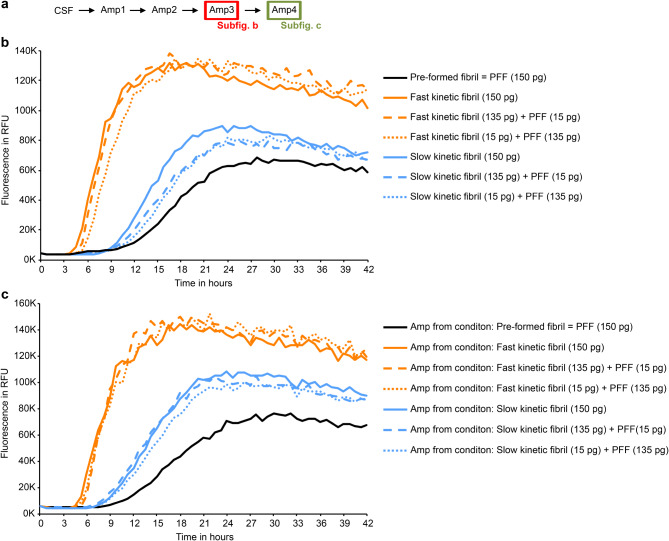
Parkinson's disease (PD) is a heterogeneous neurodegenerative disorder with a wide range of clinical phenotypes. Pathologically, it is characterized by neuronal inclusions containing misfolded, fibrillar alpha-synuclein (aSyn). Prion-like properties of aSyn contribute to the spread of aSyn pathology throughout the nervous system as the disease progresses. Utilizing these properties, seed amplification assays (SAA) enable the detection of aSyn pathology in living patients. We hypothesized that structurally distinct aSyn aggregates, or strains, may underlie the clinical heterogeneity of PD. To test this hypothesis, we recursively amplified aSyn fibrils from the cerebrospinal fluid (CSF) of 54 patients (34 people with PD and 20 controls). These fibrils were then characterized regarding SAA kinetic properties and detergent resistance. In addition, cultured cells were transfected with SAA products, and the extent of seeded aSyn pathology was quantified by staining for phosphorylated aSyn followed by automated high-throughput microscopy and image analysis. We found that fibrils, amplified from CSF by recursive SAA, exhibit two types of distinct biophysical properties and have different seeding capacities in cells. These properties are associated with clinical parameters and may therefore help explain the clinical heterogeneity in PD. Measuring aSyn strains may be relevant for prognosis and for therapies targeting aSyn pathology.
帕金森病(PD)是一种具有广泛临床表型的异质性神经退行性疾病。在病理上,其特征是神经元内含物含有错误折叠的、纤维状的α-突触核蛋白(aSyn)。随着疾病进展,aSyn的朊病毒样特性促使aSyn病理改变在整个神经系统中传播。利用这些特性,种子扩增检测(SAA)能够检测活体患者中的aSyn病理改变。我们假设结构不同的aSyn聚集体或毒株可能是PD临床异质性的基础。为了验证这一假设,我们从54名患者(34名帕金森病患者和20名对照)的脑脊液(CSF)中递归扩增aSyn纤维。然后对这些纤维的SAA动力学特性和耐去污剂能力进行表征。此外,用SAA产物转染培养细胞,并通过对磷酸化aSyn进行染色,然后进行自动高通量显微镜检查和图像分析,对植入的aSyn病理改变程度进行量化。我们发现,通过递归SAA从脑脊液中扩增出的纤维表现出两种不同的生物物理特性,并且在细胞中具有不同的播种能力。这些特性与临床参数相关,因此可能有助于解释PD的临床异质性。检测aSyn毒株可能与预后以及针对aSyn病理改变的治疗有关。