Li Hao, Yang Yuze, Li Bo, Yang Jiaju, Liu Pengyu, Gao Yuanpeng, Zhang Min, Ning Guangzhi
Department of Orthopedics, Tianjin Medical University General Hospital, International Science and Technology Cooperation Base of Spinal Cord Injury, Tianjin Key Laboratory of Spine and Spinal Cord, Tianjin, China.
Department of Orthopedics, The Second Hospital of Shanxi Medical University, Shanxi Key Laboratory of Bone and Soft Tissue Injury Repair, Taiyuan, China.
Orthop Surg. 2025 Mar;17(3):922-938. doi: 10.1111/os.14370. Epub 2025 Jan 23.
Knee osteoarthritis (KOA) is characterized by structural changes. Aging is a major risk factor for KOA. Therefore, the objective of this study was to examine the role of genes related to aging and circadian rhythms in KOA.
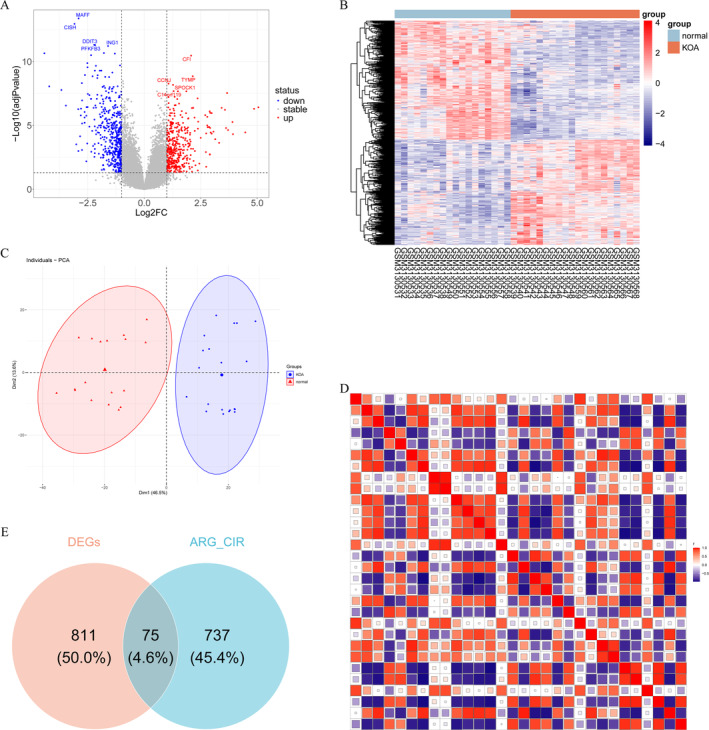
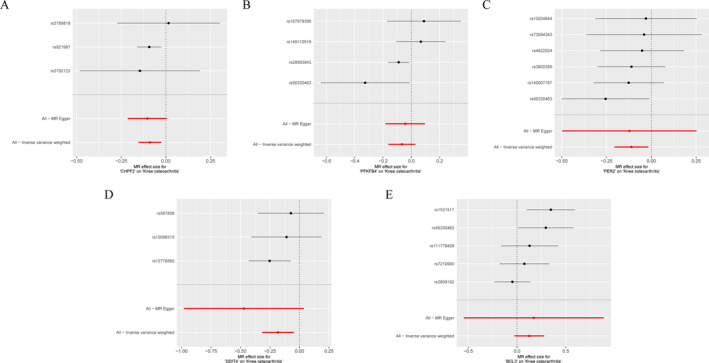
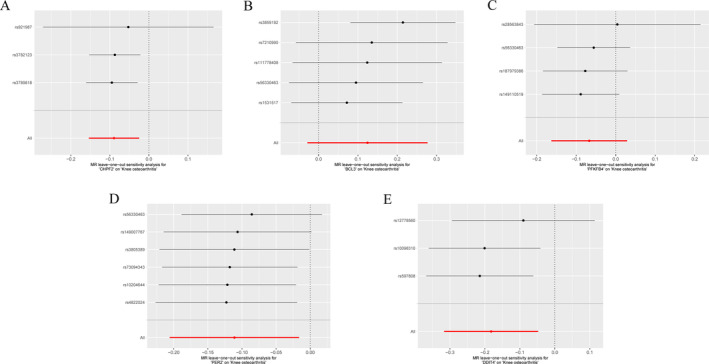
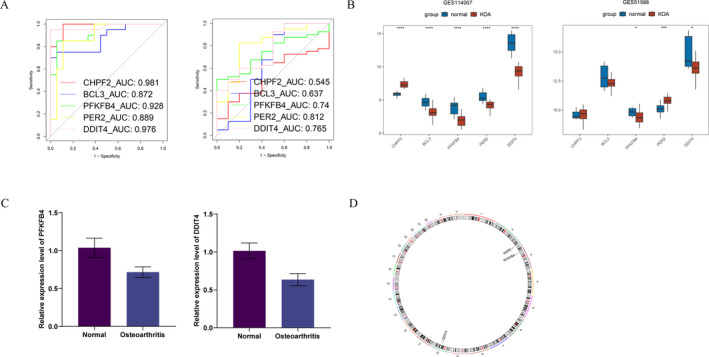
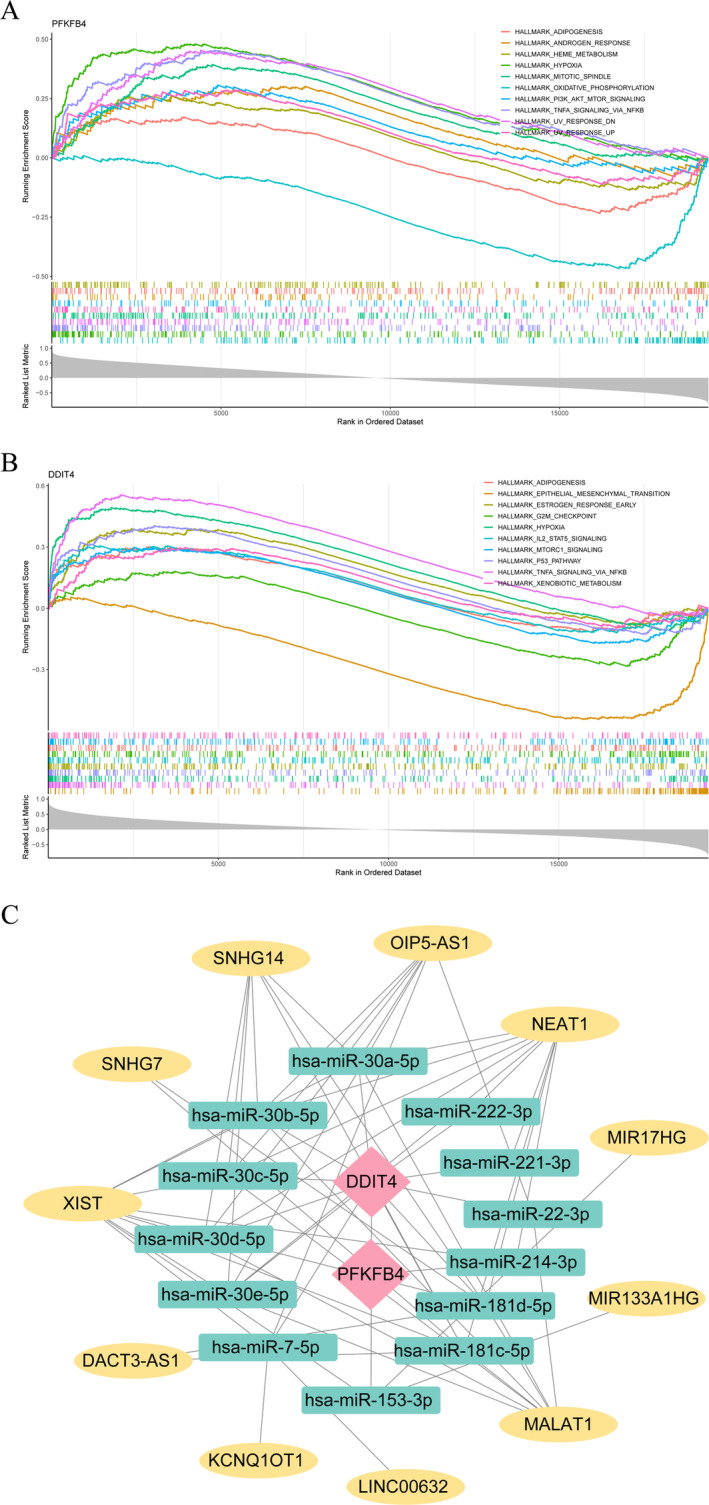
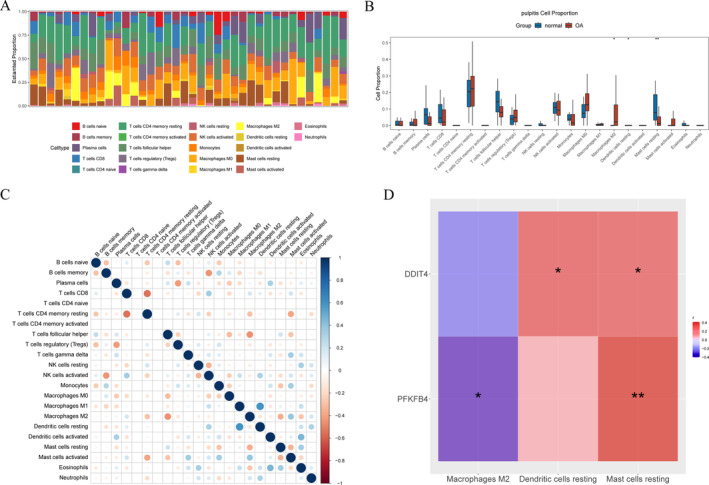
This study identified differentially expressed genes (DEGs) by comparing gene expression levels between normal and KOA samples from the GEO database. Subsequently, we intersected the DEGs with aging-related circadian rhythm genes to obtain a set of aging-associated circadian rhythm genes differentially expressed in KOA. Next, we conducted Mendelian randomization (MR) analysis, using the differentially expressed aging-related circadian rhythm genes in KOA as the exposure factors, their SNPs as instrumental variables, and KOA as the outcome event, to explore the causal relationship between these genes and KOA. We then performed Gene Set Enrichment Analysis (GSEA) to investigate the pathways associated with the selected biomarkers, conducted immune infiltration analysis, built a competing endogenous RNA (ceRNA) network, and performed molecular docking studies. Additionally, the findings and functional roles of the biomarkers were further validated through experiments on human cartilage tissue and cell models.
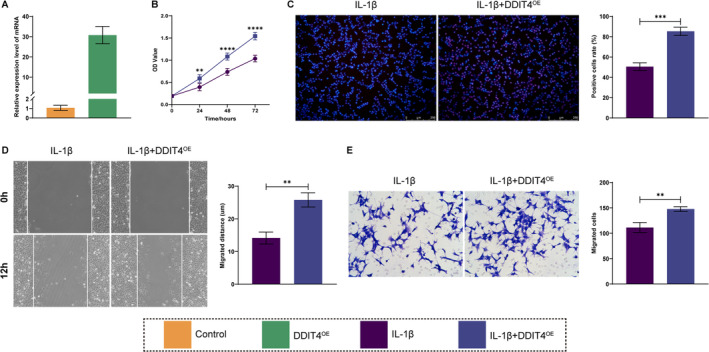
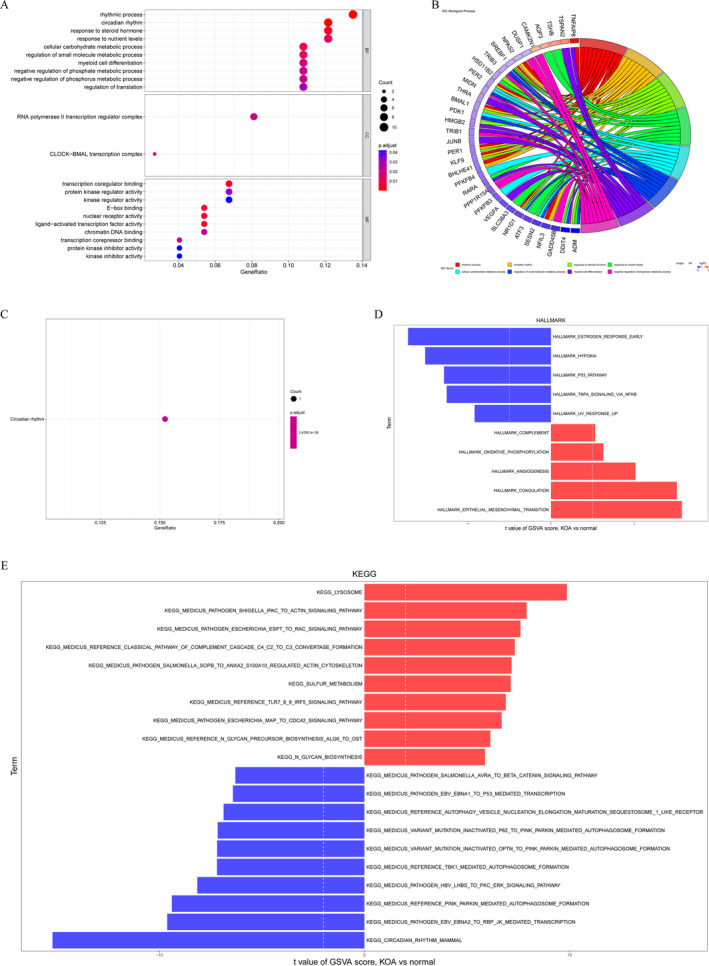
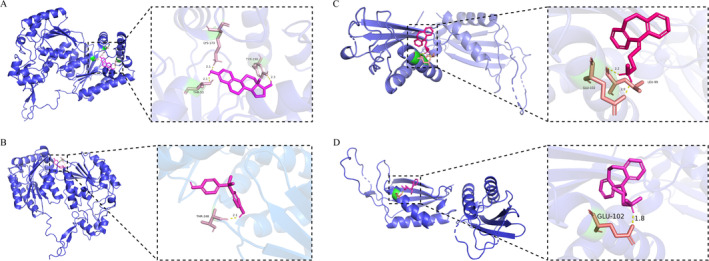
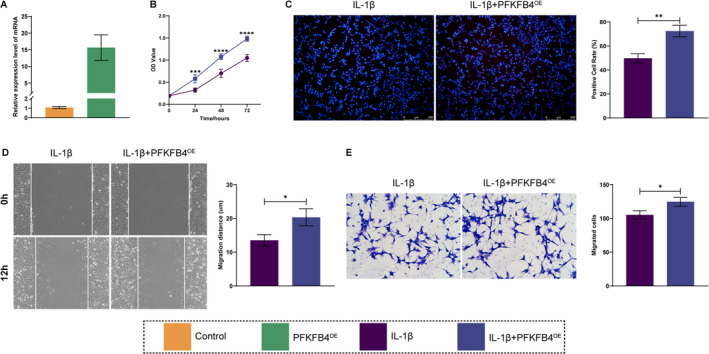
A total of 75 differentially expressed aging-circadian rhythm related genes between the normal group and the KOA group were identified by difference analysis, primarily enriched in the circadian rhythm pathway. Two biomarkers (PFKFB4 and DDIT4) were screened by MR analysis. Then, immune infiltration analysis showed significant differences in three types of immune cells (resting dendritic cells, resting mast cells, and M2 macrophages), between the normal and KOA groups. Drug prediction and molecular docking results indicated stable binding of PFKFB4 to estradiol and bisphenol_A, while DDIT4 binds stably to nortriptyline and trimipramine. Finally, cell lines with stable expression of the biomarkers were established by lentiviral infection and resistance screening, Gene expression was significantly elevated in overexpressing cells of PFKFB4 and DDIT4 and reversed the proliferation and migration ability of cells after IL-1β treatment.
Two diagnostic and therapeutic biomarkers associated with aging-circadian rhythm in KOA were identified. Functional analysis, molecular mechanism exploration, and experimental validation further elucidated their roles in KOA, offering novel perspectives for the prevention and treatment of the disease.
膝关节骨关节炎(KOA)以结构改变为特征。衰老是KOA的主要危险因素。因此,本研究的目的是探讨与衰老和昼夜节律相关的基因在KOA中的作用。
本研究通过比较来自GEO数据库的正常样本和KOA样本之间的基因表达水平,鉴定差异表达基因(DEG)。随后,我们将这些DEG与衰老相关的昼夜节律基因进行交集分析,以获得一组在KOA中差异表达的衰老相关昼夜节律基因。接下来,我们进行孟德尔随机化(MR)分析,将KOA中差异表达的衰老相关昼夜节律基因作为暴露因素,其单核苷酸多态性(SNP)作为工具变量,KOA作为结局事件,以探索这些基因与KOA之间的因果关系。然后,我们进行基因集富集分析(GSEA)以研究与所选生物标志物相关的通路,进行免疫浸润分析,构建竞争性内源性RNA(ceRNA)网络,并进行分子对接研究。此外,通过对人软骨组织和细胞模型的实验进一步验证了生物标志物的发现和功能作用。
通过差异分析,在正常组和KOA组之间共鉴定出75个差异表达的衰老昼夜节律相关基因,主要富集在昼夜节律通路中。通过MR分析筛选出两个生物标志物(PFKFB4和DDIT4)。然后,免疫浸润分析显示正常组和KOA组之间三种免疫细胞(静息树突状细胞、静息肥大细胞和M2巨噬细胞)存在显著差异。药物预测和分子对接结果表明PFKFB4与雌二醇和双酚A稳定结合,而DDIT4与去甲替林和三甲丙咪嗪稳定结合。最后,通过慢病毒感染和抗性筛选建立了生物标志物稳定表达的细胞系,PFKFB4和DDIT4过表达细胞中的基因表达显著升高,并逆转了IL-1β处理后细胞的增殖和迁移能力。
鉴定出两个与KOA中衰老昼夜节律相关的诊断和治疗生物标志物。功能分析、分子机制探索和实验验证进一步阐明了它们在KOA中的作用,为该疾病的预防和治疗提供了新的视角。