Fernández-Villardón Aitana, de Ibarra Alfonso Sáez, Domínguez-Panchón Ana, García-Carrión Rocío
Faculty of Education and Sports, University of Deusto, Bilbao, Spain.
Department of Clinical Psychology, Aita Menni Hospital, Arrasate, Spain.
BMC Psychol. 2025 Jan 24;13(1):65. doi: 10.1186/s40359-025-02381-0.
People with psychosis often experience a fragmented sense of self, making it difficult to integrate perceptions, memories, thoughts, and emotions related to themselves and others. Enhancing mentalization processes and fostering reflection are crucial for comprehensive recovery. As these processes are naturally developed through meaningful interactions and dialogue, incorporating a dialogic approach into the treatment of psychotic disorders may significantly support recovery.
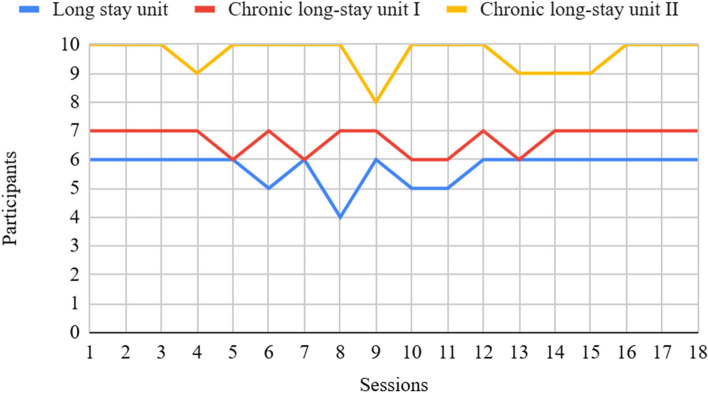
This study examines the impact of Dialogic Literary Gatherings (DLGs) on the ability of mentalizing in individuals with psychosis. A quasi-experimental mixed-methods study was conducted with 23 participants (6 women and 17 men) diagnosed with psychosis. Over five months, participants engaged in 18 DLG sessions. Mentalizing ability was assessed using the Mentalization Scale (MentS), and qualitative data included interviews (n = 2) and focus groups (n = 3), to explore changes in mentalization.
Participants reported an increase in mentalizing towards others and toward him or herself, and in motivation to mentalize. Dialogues during DLGs fostered empathy, awareness of individual differences, and deeper engagement with others' emotions. Besides, sharing feelings in this dialogic environment enabled participants to reflect on past experiences and find purpose in life. Consistently, patients reported that these dialogues provided a platform for expressing emotions, re-evaluating life perspectives, and achieving greater self-awareness.
This study highlights Dialogic Literary Gatherings as a valuable tool for enhancing the ability to mentalize in clinical populations, offering a complementary approach to traditional psychotherapeutic interventions for individuals with psychosis.
患有精神病的人常常会体验到自我意识的碎片化,这使得他们难以整合与自己及他人相关的感知、记忆、思想和情感。加强心理化过程和促进反思对于全面康复至关重要。由于这些过程是通过有意义的互动和对话自然发展起来的,因此将对话方法纳入精神病治疗可能会显著促进康复。
本研究考察了对话文学聚会(DLGs)对精神病患者心理化能力的影响。对23名被诊断患有精神病的参与者(6名女性和17名男性)进行了一项准实验性混合方法研究。在五个月的时间里,参与者参加了18次对话文学聚会。使用心理化量表(MentS)评估心理化能力,定性数据包括访谈(n = 2)和焦点小组(n = 3),以探讨心理化的变化。
参与者报告称,对他人和对自己的心理化有所增加,心理化的动机也有所增强。对话文学聚会期间的对话培养了同理心、对个体差异的认识以及对他人情感的更深入参与。此外,在这种对话环境中分享感受使参与者能够反思过去的经历并找到生活的意义。一致地,患者报告说这些对话提供了一个表达情感、重新评估生活观点和实现更强自我意识的平台。
本研究强调对话文学聚会是增强临床人群心理化能力的一种有价值的工具,为患有精神病的个体提供了一种补充传统心理治疗干预的方法。