Yelisyeyeva Olha, Kaminskyy Danylo, Semen Marta, Chelpanova Ilona, Semen Khrystyna O
Department of Histology, Cytology and Embryology, Danylo Halytsky Lviv National Medical University, 79010 Lviv, Ukraine.
Department of Pharmaceutical, Organic and Bioorganic Chemistry, Danylo Halytsky Lviv National Medical University, 79010 Lviv, Ukraine.
Biomedicines. 2025 Jan 10;13(1):161. doi: 10.3390/biomedicines13010161.
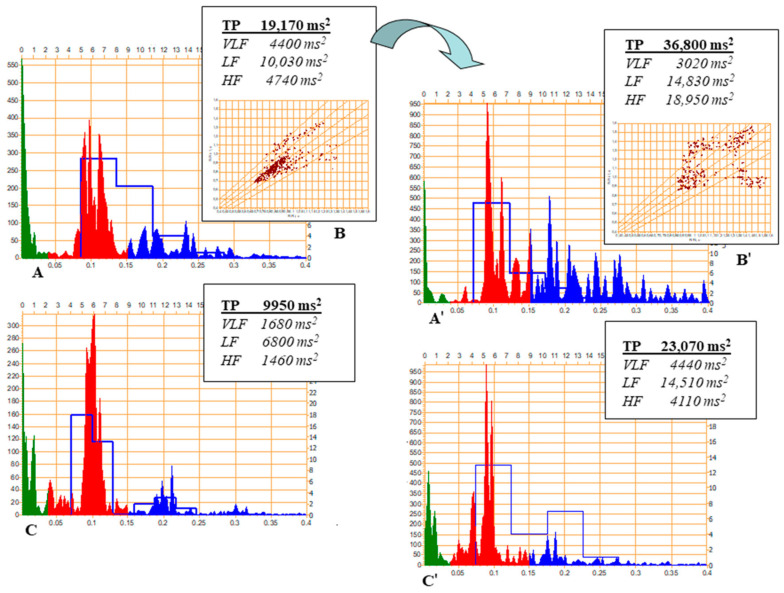
The functionality of redox metabolism is frequently named as an important contributor to the processes of aging and anti-aging. Excessive activation of free radical reactions accompanied by the inability of the antioxidant defense (AOD) mechanisms to control the flow of the reactive oxygen species (ROS) leads to the persistence of oxidative stress, hypoxia, impaired mitochondrial energy function and reduced ATP potential. From a long-term perspective, such changes contribute to the development of chronic diseases and facilitate aging. In turn, preconditioning of a biosystem with small doses of stressful stimuli might cause mobilization of the mechanisms of AOD and control an excessive flow of ROS, which supports optimal functioning of the redox reactions. Those mechanisms are of crucial importance for anti-aging and are also known as a eustress or hormetic response. To ensure continuous support of mild pro-oxidant activity in a metabolic system, close monitoring and timely corrections preventing the development of excessive ROS production are required. The paper introduces the potential of heart rate variability (HRV) as a biomarker of functional and metabolic reserves and a tool to measure stress resilience during aging. The practical approaches to interpretation of HRV are provided based on total power, changes in total power in response to an orthostatic test and activities of all spectral components. It is suggested that the complex of those parameters can reflect the depth of oxidative stress and may be used to guide lifestyle interventions and promote active longevity.
氧化还原代谢的功能常被认为是衰老和抗衰老过程的重要促成因素。自由基反应的过度激活,再加上抗氧化防御(AOD)机制无法控制活性氧(ROS)的流动,导致氧化应激持续存在、缺氧、线粒体能量功能受损以及ATP生成潜力降低。从长期来看,这些变化会促使慢性病的发展并加速衰老。相反,用小剂量应激刺激对生物系统进行预处理,可能会调动AOD机制并控制ROS的过量产生,从而维持氧化还原反应的最佳功能。这些机制对抗衰老至关重要,也被称为良性应激或应激反应。为了确保代谢系统中轻度促氧化活性的持续支持,需要密切监测并及时纠正,以防止ROS产生过多。本文介绍了心率变异性(HRV)作为功能和代谢储备生物标志物以及测量衰老过程中应激恢复力工具的潜力。基于总功率、直立试验后总功率的变化以及所有频谱成分的活动,提供了解释HRV的实用方法。研究表明,这些参数的综合作用可以反映氧化应激的程度,并可用于指导生活方式干预和促进健康长寿。