
利什曼原虫主要蝶啶还原酶抑制剂的天然产物鉴定及分子对接研究
Natural Product Identification and Molecular Docking Studies of Leishmania Major Pteridine Reductase Inhibitors.
作者信息
Arthur Moses N, Hanson George, Broni Emmanuel, Sakyi Patrick O, Mensah-Brown Henrietta, Miller Whelton A, Kwofie Samuel K
机构信息
Department of Parasitology, Noguchi Memorial Institute for Medical Research (NMIMR), College of Health Sciences (CHS), University of Ghana, Legon, Accra P.O. Box LG 581, Ghana.
Department of Biomedical Engineering, University of Rochester, Rochester, NY 14627, USA.
出版信息
Pharmaceuticals (Basel). 2024 Dec 24;18(1):6. doi: 10.3390/ph18010006.
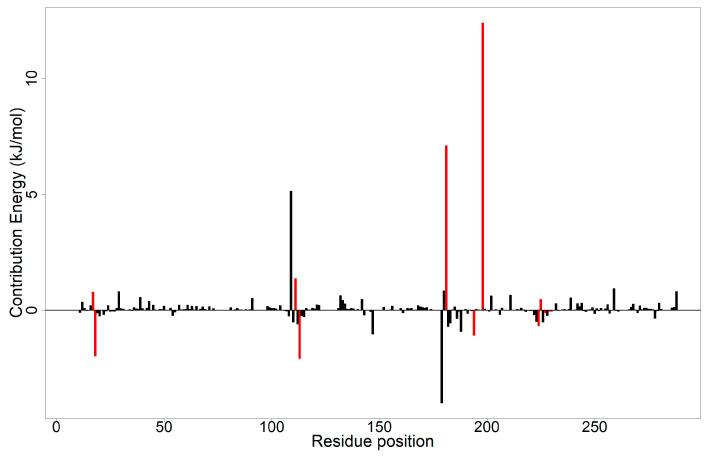
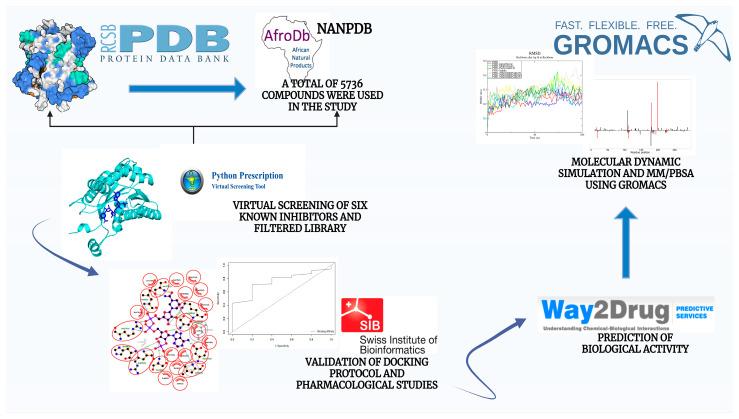
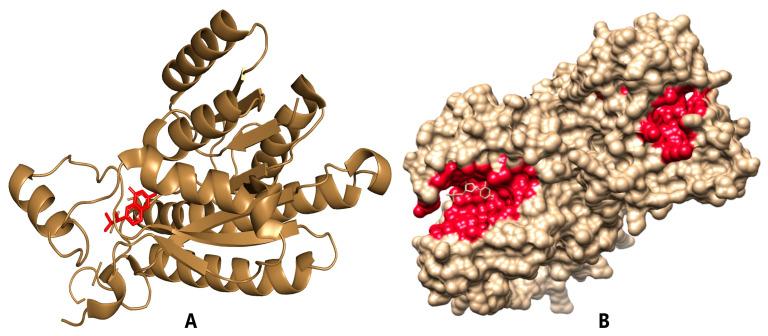
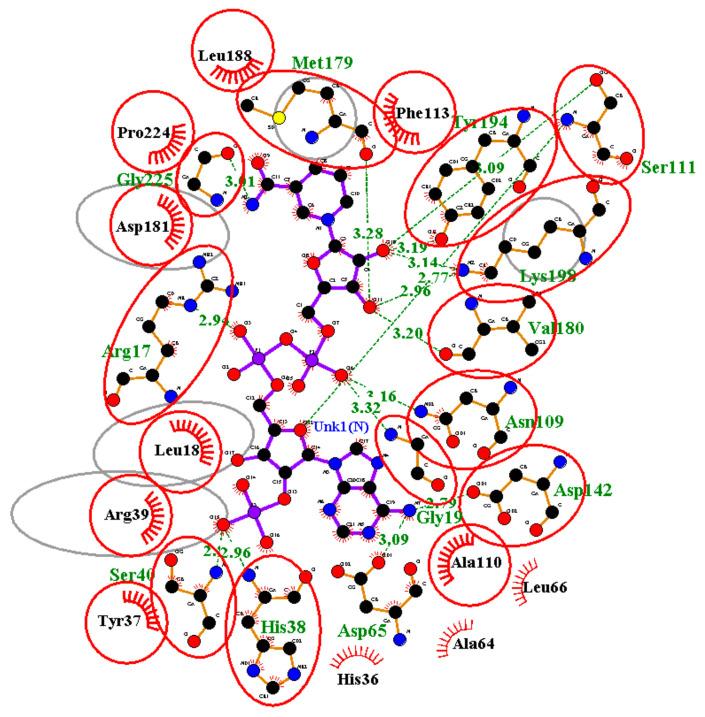
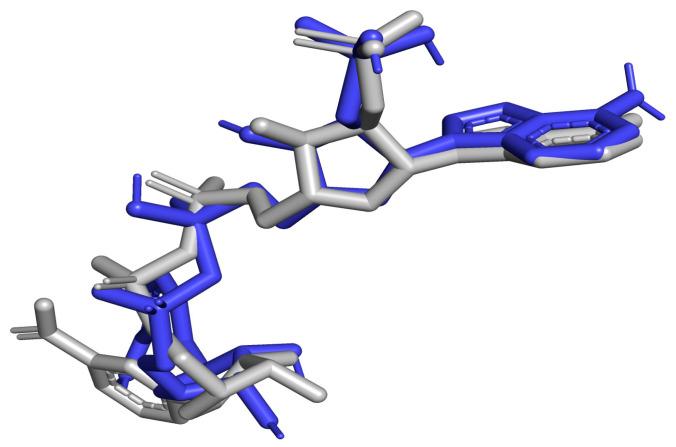
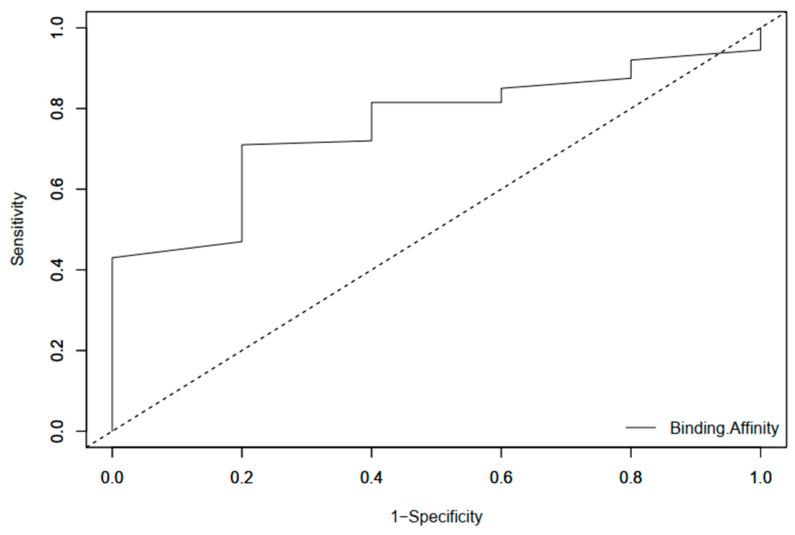
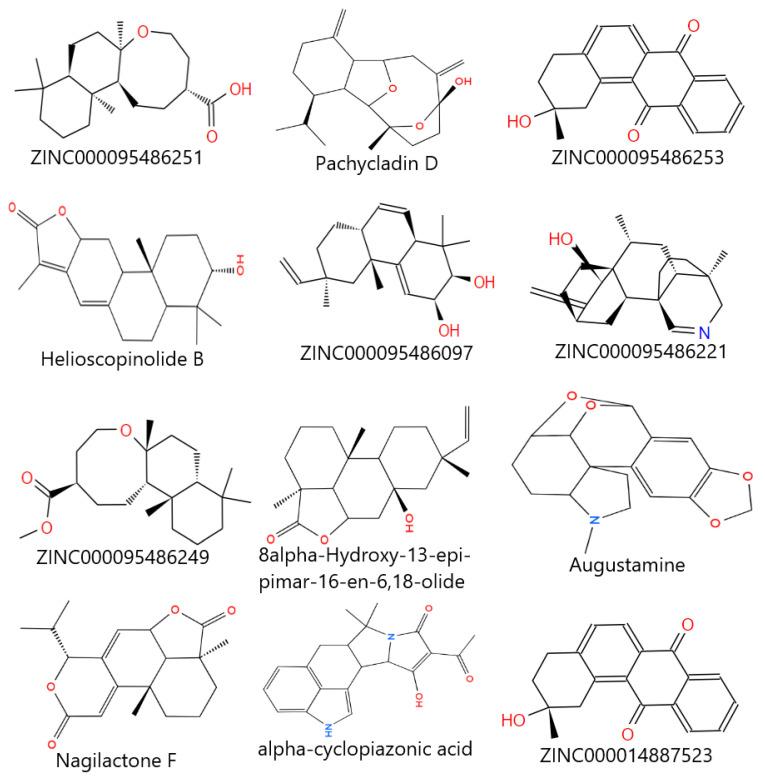
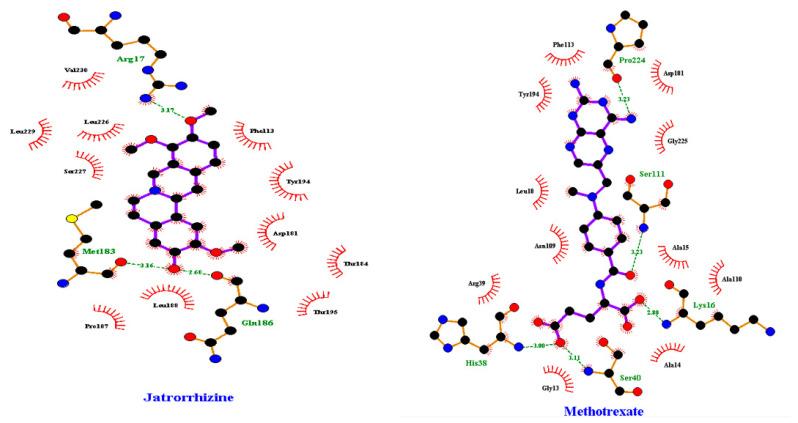
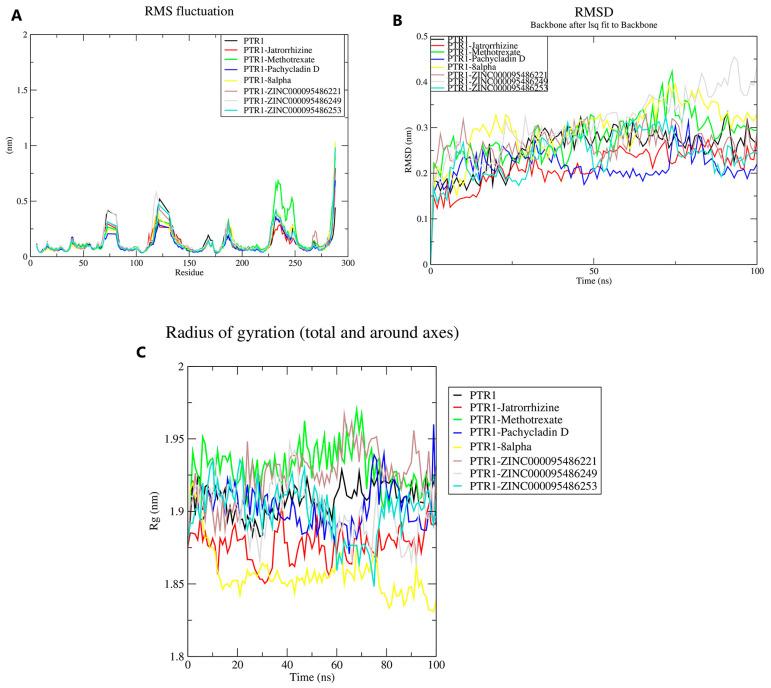
: Pteridine reductase 1 (PTR1) has been one of the prime targets for discovering novel antileishmanial therapeutics in the fight against Leishmaniasis. This enzyme catalyzes the NADPH-dependent reduction of pterins to their tetrahydro forms. While chemotherapy remains the primary treatment, its effectiveness is constrained by drug resistance, unfavorable side effects, and substantial associated costs. : This study addresses the urgent need for novel, cost-effective drugs by employing in silico techniques to identify potential lead compounds targeting the PTR1 enzyme. A library of 1463 natural compounds from AfroDb and NANPDB, prefiltered based on Lipinski's rules, was used to screen against the LmPTR1 target. The X-ray structure of LmPTR1 complexed with NADP and dihydrobiopterin (Protein Data Bank ID: 1E92) was identified to contain the critical residues Arg17, Leu18, Ser111, Phe113, Pro224, Gly225, Ser227, Leu229, and Val230 including the triad of residues Asp181-Tyr194-Lys198, which are critical for the catalytic process involving the reduction of dihydrofolate to tetrahydrofolate. : The docking yielded 155 compounds meeting the stringent criteria of -8.9 kcal/mol instead of the widely used -7.0 kcal/mol. These compounds demonstrated binding affinities comparable to the known inhibitors; methotrexate (-9.5 kcal/mol), jatrorrhizine (-9.0 kcal/mol), pyrimethamine (-7.3 kcal/mol), hardwickiic acid (-8.1 kcal/mol), and columbamine (-8.6 kcal/mol). Protein-ligand interactions and molecular dynamics (MD) simulation revealed favorable hydrophobic and hydrogen bonding with critical residues, such as Lys198, Arg17, Ser111, Tyr194, Asp181, and Gly225. Crucial to the drug development, the compounds were physiochemically and pharmacologically profiled, narrowing the selection to eight compounds, excluding those with potential toxicities. The five selected compounds ZINC000095486253, ZINC000095486221, ZINC000095486249, 8alpha-hydroxy-13-epi-pimar-16-en-6,18-olide, and pachycladin D were predicted to be antiprotozoal () with Pa values of 0.642, 0.297, 0.543, 0.431, and 0.350, respectively. : This study identified five lead compounds that showed substantial binding affinity against LmPTR1 as well as critical residue interactions. A 100 ns MD combined with molecular mechanics Poisson-Boltzmann surface area (MM/PBSA) calculations confirmed the robust binding interactions and provided insights into the dynamics and stability of the protein-ligand complexes.
蝶啶还原酶1(PTR1)一直是对抗利什曼病过程中发现新型抗利什曼原虫疗法的主要靶点之一。这种酶催化依赖NADPH将蝶呤还原为其四氢形式。虽然化疗仍然是主要治疗方法,但其有效性受到耐药性、不良副作用和高昂相关成本的限制。本研究通过采用计算机技术来识别靶向PTR1酶 的潜在先导化合物,满足了对新型、经济高效药物的迫切需求。一个来自AfroDb和NANPDB的基于Lipinski规则预筛选的1463种天然化合物库,用于针对LmPTR1靶点进行筛选。与NADP和二氢生物蝶呤复合的LmPTR1的X射线结构(蛋白质数据库ID:1E92)被确定包含关键残基Arg17、Leu18、Ser111、Phe113、Pro224、Gly225、Ser227、Leu229和Val230,包括残基三联体Asp181 - Tyr194 - Lys198,这些残基对于涉及将二氢叶酸还原为四氢叶酸的催化过程至关重要。对接产生了155种符合-8.9千卡/摩尔严格标准的化合物,而不是广泛使用的-7.0千卡/摩尔。这些化合物表现出与已知抑制剂相当的结合亲和力;甲氨蝶呤(-9.5千卡/摩尔)、药根碱(-9.0千卡/摩尔)、乙胺嘧啶(-7.3千卡/摩尔)、蛇婆子酸(-8.1千卡/摩尔)和小檗胺(-8.6千卡/摩尔)。蛋白质-配体相互作用和分子动力学(MD)模拟显示与关键残基如Lys198、Arg17、Ser111、Tyr194、Asp181和Gly225有良好的疏水和氢键相互作用。对药物开发至关重要的是,对这些化合物进行了物理化学和药理学分析,将选择范围缩小到八种化合物,排除了那些具有潜在毒性的化合物。所选的五种化合物ZINC000095486253、ZINC000095486221、ZINC000095486249、8α-羟基-13-表-海松-16-烯-6,18-内酯和厚壳桂素D预计具有抗原生动物活性,其Pa值分别为0.642、0.297、0.543、0.431和0.350。本研究确定了五种先导化合物,它们对LmPTR1表现出显著的结合亲和力以及关键残基相互作用。100纳秒的分子动力学结合分子力学泊松-玻尔兹曼表面积(MM/PBSA)计算证实了强大的结合相互作用,并提供了对蛋白质-配体复合物的动力学和稳定性的见解。
 Zotero 插件