
青蒿琥酯与两性霉素B和米替福新联合使用的协同作用:剂量降低的潜力和增强的治疗策略。
Synergistic Effects of Artesunate in Combination with Amphotericin B and Miltefosine against : Potential for Dose Reduction and Enhanced Therapeutic Strategies.
作者信息
Intakhan Nuchpicha, Saeung Atiporn, Rodrigues Oliveira Sonia M, Pereira Maria de Lourdes, Chanmol Wetpisit
机构信息
School of Allied Health Sciences, Walailak University, Nakhon Si Thammarat 80160, Thailand.
Center of Excellence Research for Melioidosis and Microorganisms, School of Allied Health Sciences, Walailak University, Nakhon Si Thammarat 80160, Thailand.
出版信息
Antibiotics (Basel). 2024 Aug 26;13(9):806. doi: 10.3390/antibiotics13090806.
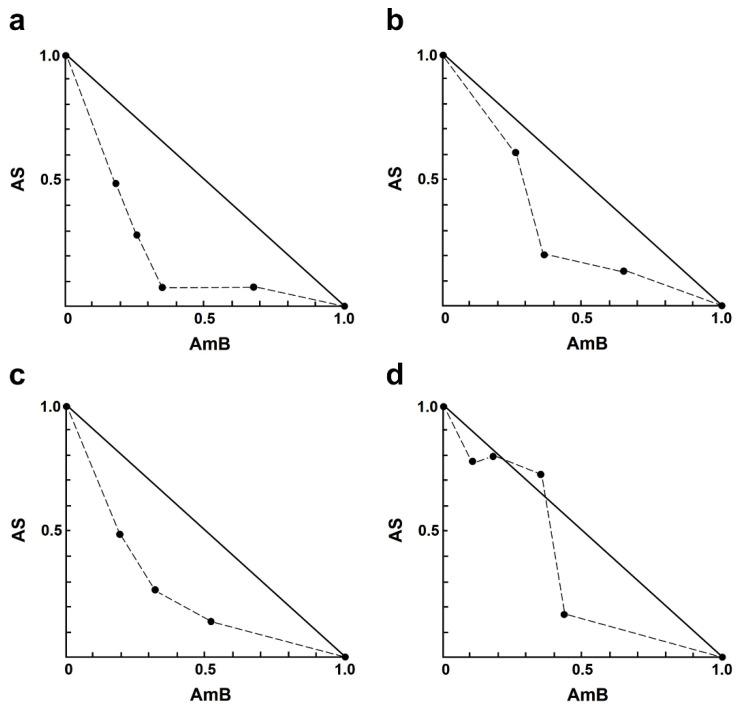
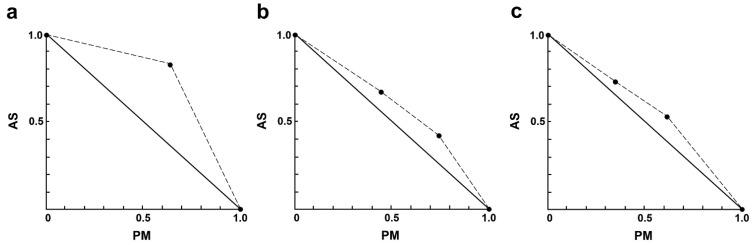
Leishmaniasis is a tropical infectious disease caused by parasites. The disease can be spread by the bite of an infected sand fly. Currently, five chemotherapeutic drugs are available in leishmaniasis treatment. However, these drugs exhibit toxicity and serious adverse effects on infected individuals, necessitating alternative treatment strategies. One such strategy involves using combinations of existing antileishmanial drugs. In this study, we evaluated the interaction between artesunate (AS) and three antileishmanial drugs-amphotericin B (AmB), miltefosine (MF), and paromomycin (PM) against . This evaluation marks the first time such an assessment has been conducted. The Chou-Talalay combination index method was employed to analyze the drug interaction. The findings revealed that the interaction between AS and AmB ranged from antagonistic to synergistic, while the interaction between AS and MF showed moderate to strong synergism. In contrast, the interaction between AS and PM resulted in an antagonistic interaction, which differs from the combinations with AmB or MF. This study provides valuable insights for developing novel drug regimens for leishmaniasis treatment, emphasizing the potential of AS and its combination with existing antileishmanial drugs. Further research is necessary to optimize drug combinations and minimize adverse effects, leading to more effective therapeutic outcomes.
利什曼病是一种由寄生虫引起的热带传染病。该疾病可通过受感染的白蛉叮咬传播。目前,有五种化疗药物可用于治疗利什曼病。然而,这些药物对受感染个体表现出毒性和严重的不良反应,因此需要替代治疗策略。其中一种策略涉及使用现有抗利什曼病药物的组合。在本研究中,我们评估了青蒿琥酯(AS)与三种抗利什曼病药物——两性霉素B(AmB)、米替福新(MF)和巴龙霉素(PM)之间针对……的相互作用。该评估是首次进行此类评估。采用Chou-Talalay联合指数法分析药物相互作用。研究结果显示,AS与AmB之间的相互作用范围从拮抗到协同,而AS与MF之间的相互作用表现出中度到强协同作用。相比之下,AS与PM之间的相互作用产生了拮抗作用,这与与AmB或MF的组合不同。本研究为开发治疗利什曼病的新型药物方案提供了有价值的见解,强调了AS及其与现有抗利什曼病药物组合的潜力。有必要进一步研究以优化药物组合并最小化不良反应,从而实现更有效的治疗效果。


 Zotero 插件