
壳聚糖纳米颗粒增强BALB/c小鼠模型的免疫反应及多表位疫苗递送
Chitosan Nanoparticles for Enhanced Immune Response and Delivery of Multi-Epitope Vaccines in a BALB/c Mouse Model.
作者信息
Amaral Rita, Concha Tomás, Vítor Jorge, Almeida António J, Calado Cecília, Gonçalves Lídia M
机构信息
Research Institute for Medicines (iMed.ULisboa), Faculty of Pharmacy, Universidade de Lisboa, 1649-003 Lisbon, Portugal.
ISEL-Instituto Superior de Engenharia de Lisboa, Instituto Politécnico de Lisboa, 1959-007 Lisbon, Portugal.
出版信息
Pharmaceutics. 2025 Jan 18;17(1):132. doi: 10.3390/pharmaceutics17010132.
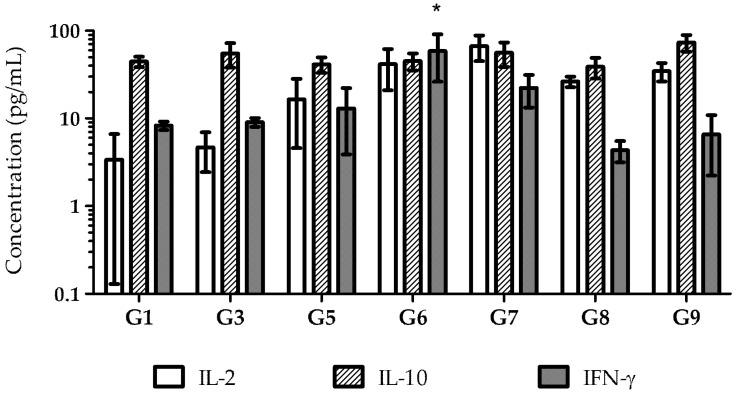
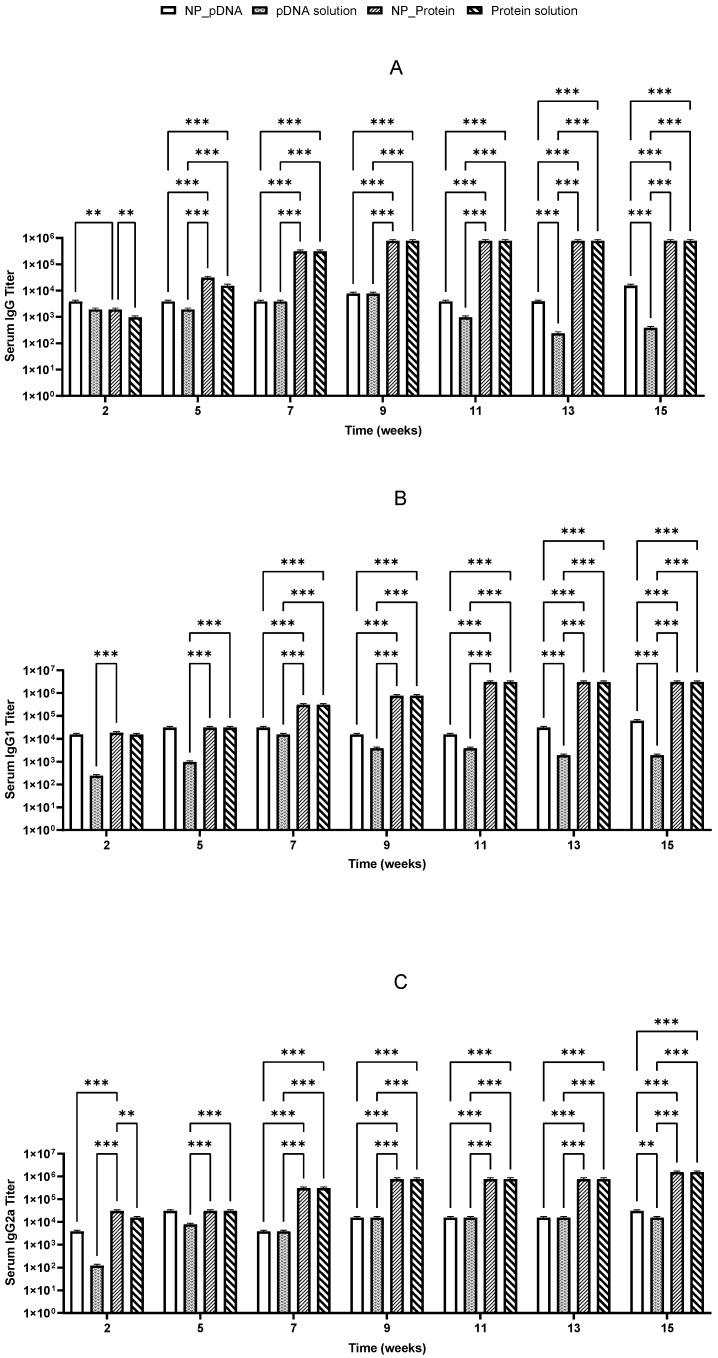
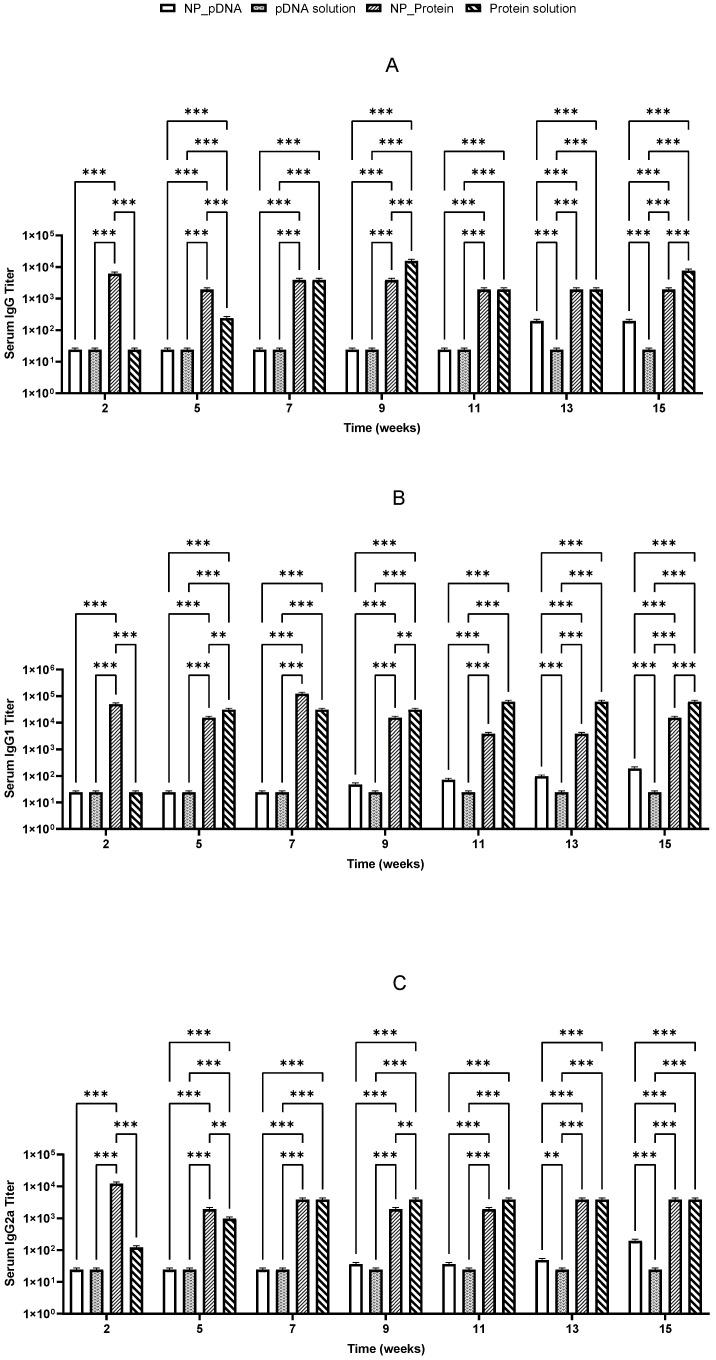
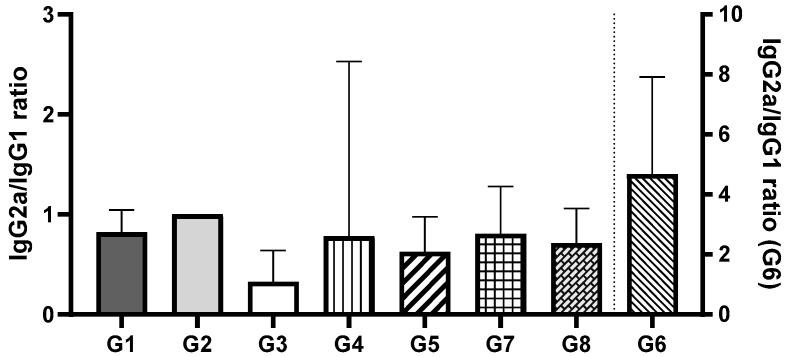
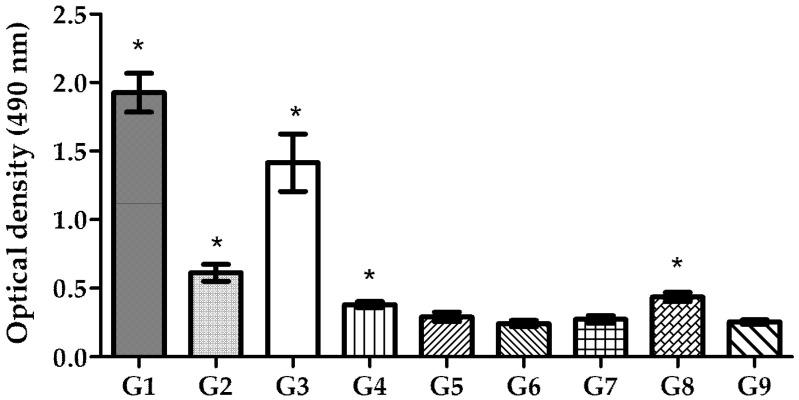
: is the leading cause of chronic gastritis, peptic ulcer, gastric adenocarcinoma, and mucosal-associated lymphoma. Due to the emerging problems with antibiotic treatment against in clinical practice, vaccination has gained more interest. Oral immunization is considered a promising approach for preventing initial colonization of this bacterium in the gastrointestinal tract, establishing a first line of defense at gastric mucosal surfaces. Chitosan nanoparticles can be exploited effectively for oral vaccine delivery due to their stability, simplicity of target accessibility, and beneficial mucoadhesive and immunogenic properties. : In this study, new multi-epitope pDNA- and recombinant protein-based vaccines incorporating multiple antigens were produced and encapsulated in chitosan nanoparticles for oral and intramuscular administration. The induced immune response was assessed through the levels of antigen-specific IgGs, secreted mucosal SIgA, and cytokines (IL-2, IL-10, and IFN-γ) in immunized BALB/C mice. : Intramuscular administration of both pDNA and recombinant protein-based vaccines efficiently stimulated the production of specific IgG2a and IgG1, which was supported by cytokines levels. Oral immunizations with either pDNA or recombinant protein vaccines revealed high SIgA levels, suggesting effective gastric mucosal immunization, contrasting with intramuscular immunizations, which did not induce SIgA. : These findings indicate that both pDNA and recombinant protein vaccines encapsulated into chitosan nanoparticles are promising candidates for eradicating and mitigating associated gastric diseases in humans.
幽门螺杆菌是慢性胃炎、消化性溃疡、胃腺癌和黏膜相关淋巴瘤的主要病因。由于临床实践中针对幽门螺杆菌的抗生素治疗出现了新问题,幽门螺杆菌疫苗接种受到了更多关注。口服免疫被认为是预防这种细菌在胃肠道初始定植的一种有前景的方法,在胃黏膜表面建立第一道防线。壳聚糖纳米颗粒因其稳定性、靶点易接近性以及有益的黏膜黏附性和免疫原性,可有效地用于口服疫苗递送。在本研究中,制备了包含多种幽门螺杆菌抗原的新型多表位基于质粒DNA和重组蛋白的疫苗,并将其封装在壳聚糖纳米颗粒中用于口服和肌肉注射。通过免疫的BALB/C小鼠中抗原特异性IgG、分泌型黏膜SIgA和细胞因子(IL-2、IL-10和IFN-γ)的水平评估诱导的免疫反应。肌肉注射基于质粒DNA和重组蛋白的疫苗均能有效刺激特异性IgG2a和IgG1的产生,细胞因子水平也支持这一点。口服基于质粒DNA或重组蛋白的疫苗均显示出高SIgA水平,表明有效的胃黏膜免疫,这与未诱导产生SIgA的肌肉注射形成对比。这些发现表明,封装在壳聚糖纳米颗粒中的质粒DNA和重组蛋白疫苗都是根除幽门螺杆菌和减轻人类相关胃部疾病的有前景的候选疫苗。

 Zotero 插件