Milana Matilde, van Asselt Esther D, van der Fels-Klerx Ine H J
Wageningen Food Safety Research (WFSR), Wageningen University & Research, Wageningen, The Netherlands.
Compr Rev Food Sci Food Saf. 2025 Jan;24(1):e70123. doi: 10.1111/1541-4337.70123.
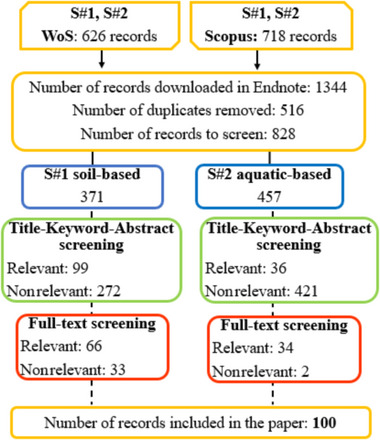
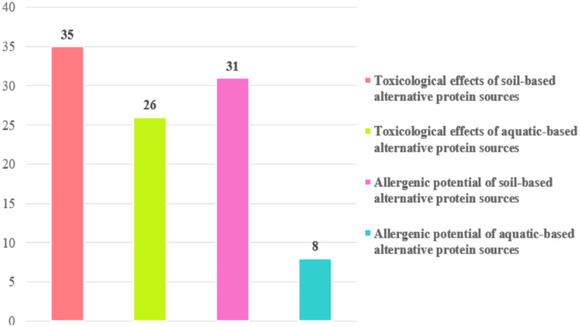
The growing environmental pressure of the animal food chain requires a system shift toward more sustainable diets based on alternative protein sources. Emerging alternative protein sources, such as faba bean, mung bean, lentil, black gram, cowpea, quinoa, hemp, leaf proteins, microalgae, and duckweeds, are being explored for their potential in meeting global protein demand and were, therefore, the subject of this review. This systematic literature review aims to understand the current knowledge on the toxicological effects and allergenic potential associated with these sources and derived protein and food products. The findings identified potential concerns associated with the presence of plant secondary metabolites, including antinutritional factors, phytoestrogens, and oligosaccharides, in all the sources included. Also, these protein sources have been shown to display allergenic properties, either through the intrinsic presence of allergens or through cross-reaction. Further, the effects of food processing on these proteins remain poorly understood and no conclusive data are available to quantitatively assess their safety after processing. Overall, those findings highlight the need for quantitative knowledge of the food safety attributes related to final food products. This will enable a concrete and preventive approach to food safety in the protein transition.
动物食物链所带来的日益增长的环境压力要求系统转向基于替代蛋白质来源的更可持续饮食。人们正在探索如蚕豆、绿豆、小扁豆、黑绿豆、豇豆、藜麦、大麻、叶蛋白、微藻和浮萍等新兴替代蛋白质来源满足全球蛋白质需求的潜力,因此,这些是本综述的主题。本系统文献综述旨在了解有关这些来源以及衍生蛋白质和食品的毒理学效应和致敏潜力的现有知识。研究结果确定了与所有纳入来源中植物次生代谢产物的存在相关的潜在问题,包括抗营养因子、植物雌激素和寡糖。此外,这些蛋白质来源已被证明具有致敏特性,无论是通过过敏原的内在存在还是通过交叉反应。此外,食品加工对这些蛋白质的影响仍知之甚少,并且没有确凿的数据可用于定量评估加工后它们的安全性。总体而言,这些发现凸显了对与最终食品相关的食品安全属性进行定量了解的必要性。这将为蛋白质转型过程中的食品安全提供具体且预防性的方法。