Smiriglia Alfredo, Lorito Nicla, Bacci Marina, Subbiani Angela, Bonechi Francesca, Comito Giuseppina, Kowalik Marta Anna, Perra Andrea, Morandi Andrea
Department of Experimental and Clinical Biomedical Sciences, University of Florence, 50134, Florence, Italy.
Department of Biomedical Sciences, University of Cagliari, 09042, Monserrato, Italy.
Cell Death Dis. 2025 Jan 31;16(1):57. doi: 10.1038/s41419-025-07331-7.
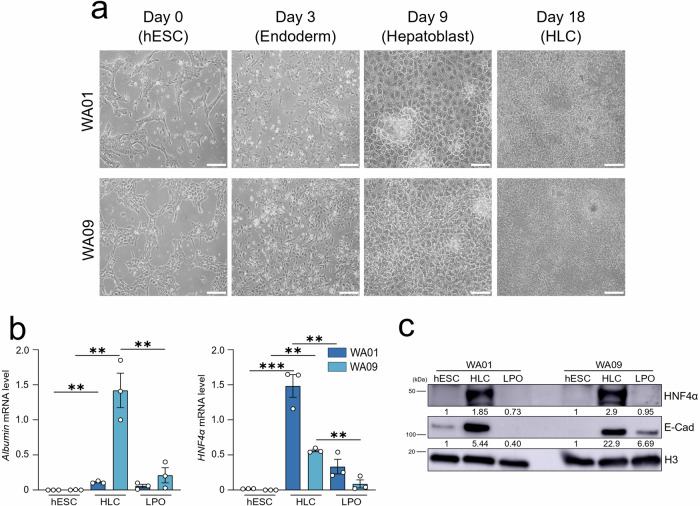
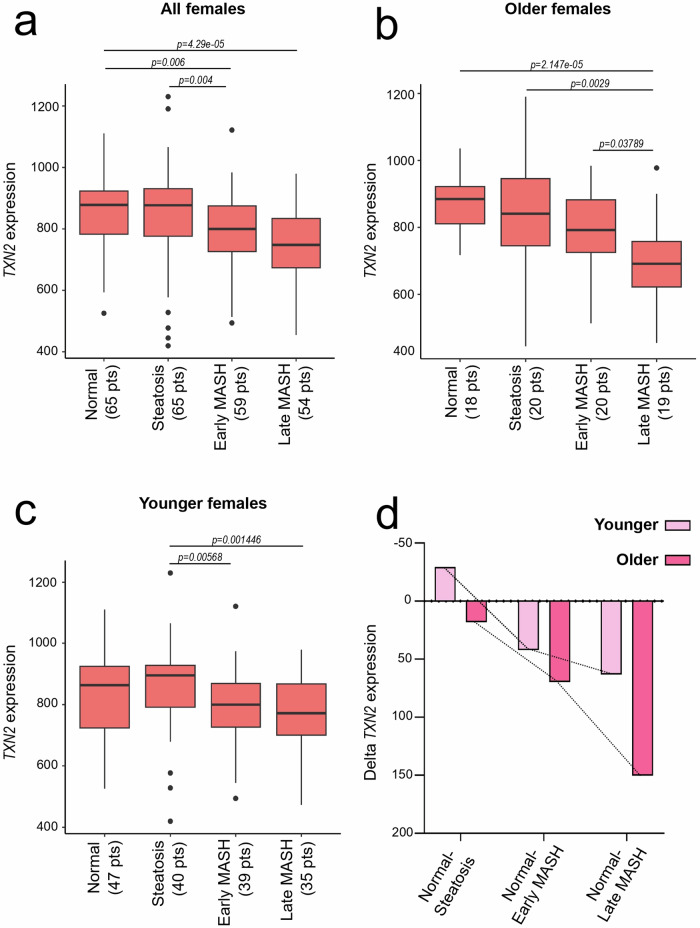
Metabolic dysfunction-associated steatotic liver disease (MASLD) encompasses a spectrum of hepatic disorders, ranging from simple steatosis to steatohepatitis, with the most severe outcomes including cirrhosis, liver failure, and hepatocellular carcinoma. Notably, MASLD prevalence is lower in premenopausal women than in men, suggesting a potential protective role of estrogens in mitigating disease onset and progression. In this study, we utilized preclinical in vitro models-immortalized cell lines and hepatocyte-like cells derived from human embryonic stem cells-exposed to clinically relevant steatotic-inducing agents. These exposures led to lipid droplet (LD) accumulation, increased reactive oxygen species (ROS) levels, and mitochondrial dysfunction, along with decreased expression of markers associated with hepatocyte functionality and differentiation. Estrogen treatment in steatotic-induced liver cells resulted in reduced ROS levels and LD content while preserving mitochondrial integrity, mediated by the upregulation of mitochondrial thioredoxin 2 (TRX2), an antioxidant system regulated by the estrogen receptor. Furthermore, disruption of TRX2, either pharmacologically using auranofin or through genetic interference, was sufficient to counteract the protective effects of estrogens, highlighting a potential mechanism through which estrogens may prevent or slow MASLD progression.
代谢功能障碍相关脂肪性肝病(MASLD)涵盖一系列肝脏疾病,从单纯性脂肪变性到脂肪性肝炎,最严重的后果包括肝硬化、肝衰竭和肝细胞癌。值得注意的是,绝经前女性的MASLD患病率低于男性,这表明雌激素在减轻疾病发生和进展方面可能具有保护作用。在本研究中,我们利用临床前体外模型——永生化细胞系和源自人类胚胎干细胞的肝细胞样细胞,使其暴露于临床相关的脂肪变性诱导剂中。这些暴露导致脂滴(LD)积累、活性氧(ROS)水平升高和线粒体功能障碍,同时与肝细胞功能和分化相关的标志物表达降低。在脂肪变性诱导的肝细胞中进行雌激素处理,可降低ROS水平和LD含量,同时通过上调线粒体硫氧还蛋白2(TRX2)来维持线粒体完整性,TRX2是一种由雌激素受体调节的抗氧化系统。此外,无论是使用金诺芬进行药物干预还是通过基因干扰破坏TRX2,都足以抵消雌激素的保护作用,这突出了雌激素可能预防或减缓MASLD进展的潜在机制。