Harsing Laszlo G, Szénási Gábor, Fehér Balázs, Miklya Ildikó
Department of Pharmacology and Pharmacotherapy, Semmelweis University, Budapest, Hungary.
Center for Pharmacology and Drug Research & Development, Semmelweis University, Budapest, Hungary.
Neurochem Res. 2025 Feb 4;50(2):94. doi: 10.1007/s11064-025-04337-7.
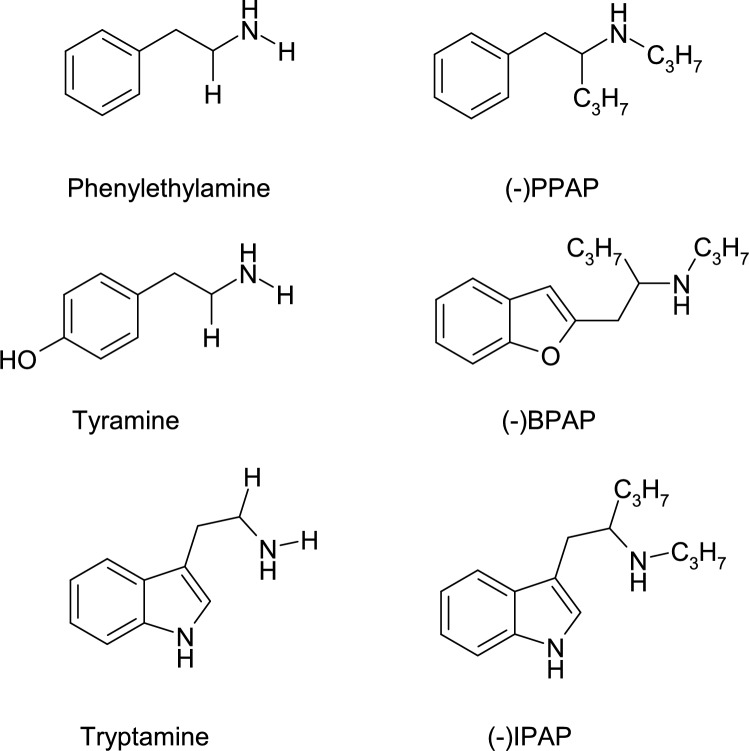
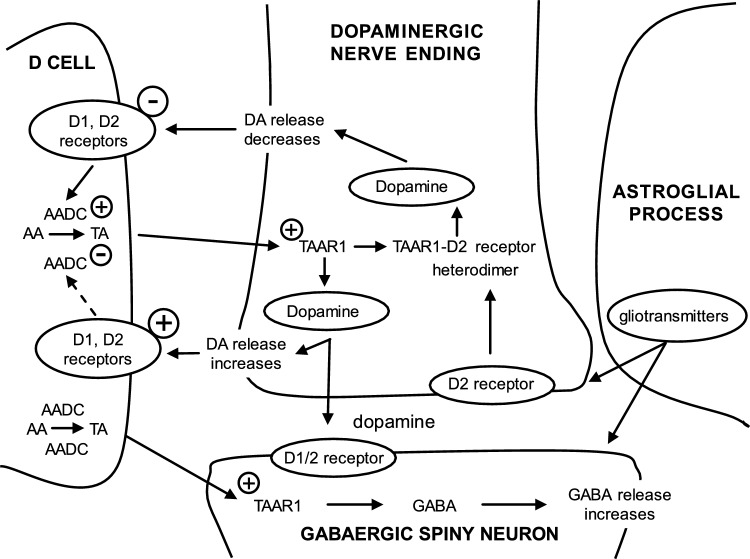
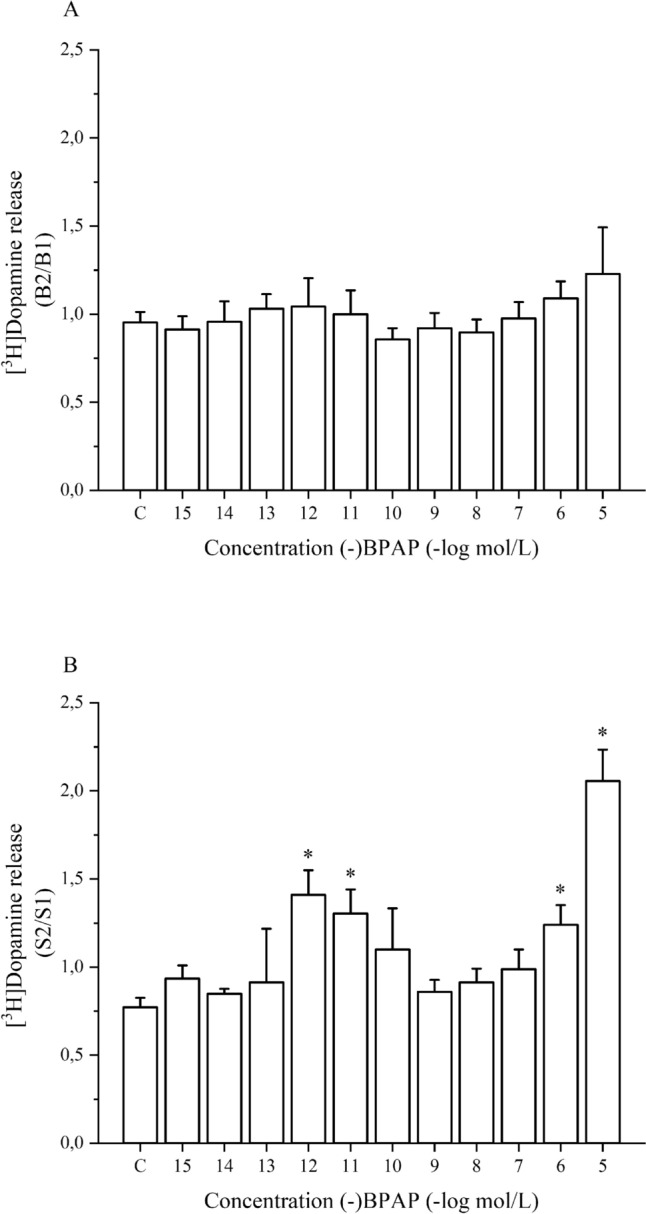
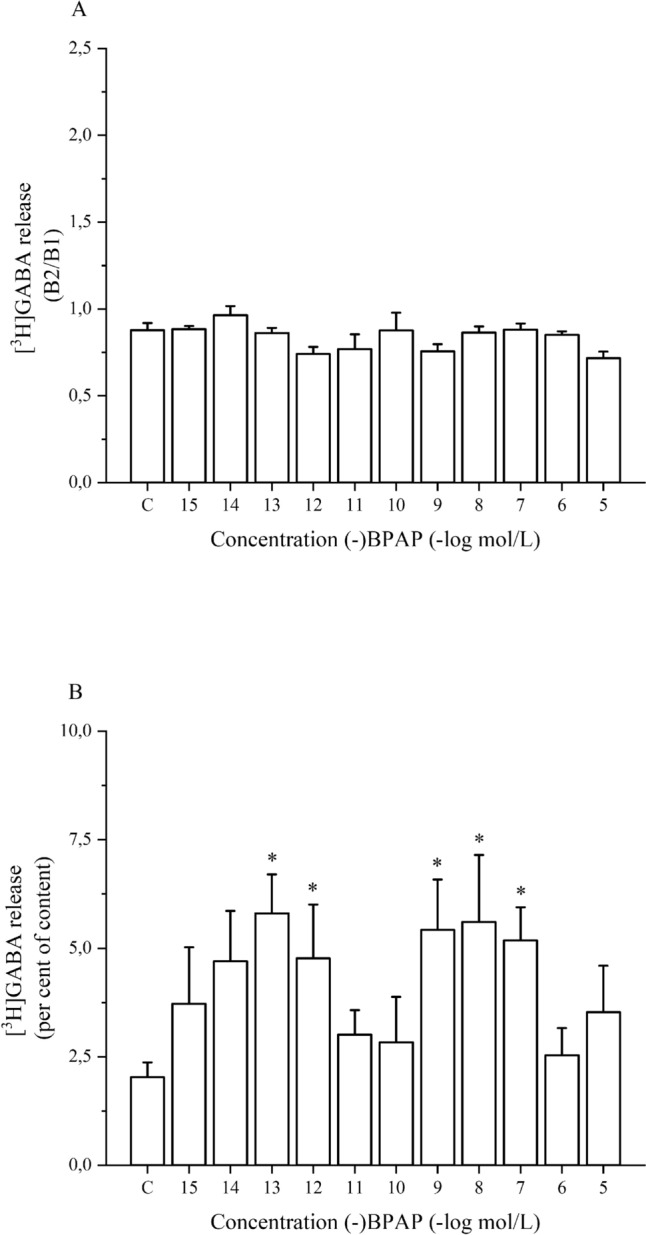
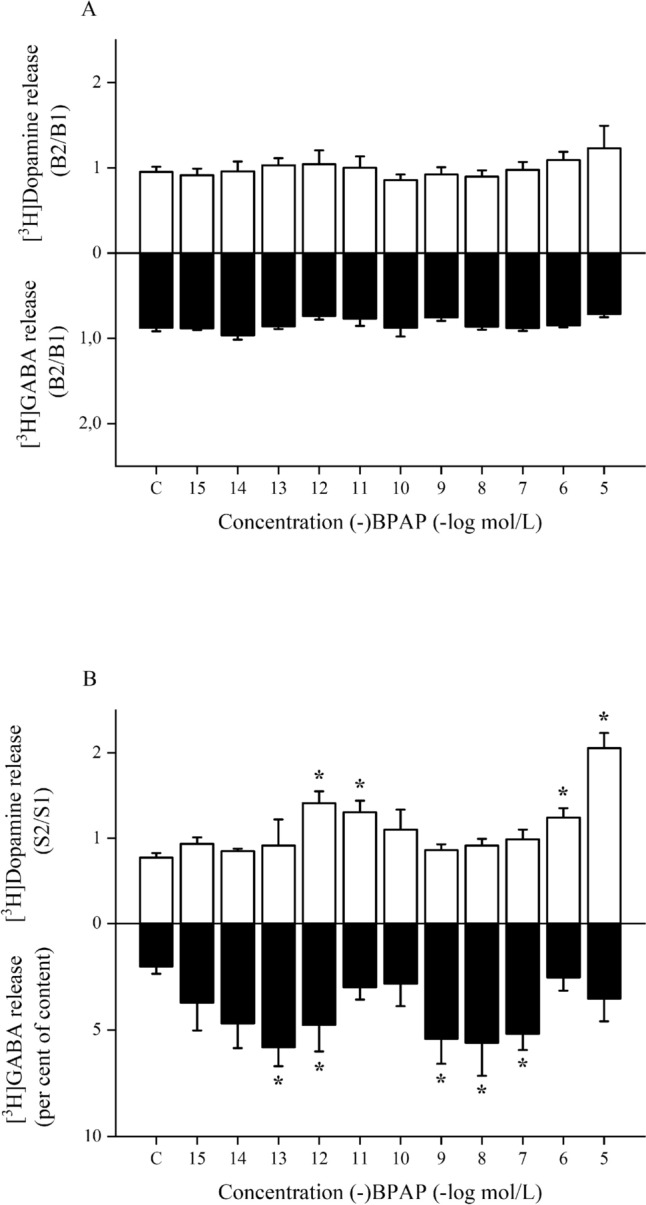
Although it is well documented that the striatal GABAergic projection neurons receive excitatory and inhibitory dopaminergic innervation via D1 and D2 receptors, the trace amine-associated receptor 1 (TAAR1)-mediated regulation of this neural connection is much less studied. The presence of TAAR1 was originally detected in brain aminergic neurons, with recent evidence indicating its presence in striatal GABAergic neurons as well. The objective of the present study was to demonstrate the role of TAAR1 and signaling in dopaminergic-GABAergic interaction in the neural circuitry of the striatum. Besides trace amines, which are considered natural ligands for TAAR1, series of different exogenous drugs were identified to act on this receptor. Using the dopaminergic activity enhancer compound (-)BPAP ((-)-1-(benzofuran-2-yl)-2-propylaminopentane HCl), a potential agonist for TAAR1, we have found that it increased the electrical stimulation-induced [H]dopamine release in rat striatal slices. This effect of (-)BPAP occurred parallel with increases of [H]GABA release in striatum when used in 10-10 mol/L concentrations. The effects of (-)BPAP on the release of both neurotransmitters were bell-shaped. We speculated that the rising phase of the concentration-effect curves was evoked by an agonist effect of (-)BPAP on TAAR1 whereas the declining phase was a result of heterodimerization of TAAR1 with pre- and postsynaptic dopamine D2 receptors. The bell-shaped curves suggest that the (-)BPAP-induced heterodimerization of TAAR1 with dopamine D2 receptors may switch off TAAR1 signaling and switch on transduction coupled to D2 receptors. We also suggest that (-)BPAP increases synaptic strength in a hypothetical quadrilateral neuronal organization consisting of dopaminergic nerve ending, GABAergic neurons, trace amine-producing D cells, and supportive glial cell processes.
虽然有充分的文献记载,纹状体γ-氨基丁酸能投射神经元通过D1和D2受体接受兴奋性和抑制性多巴胺能神经支配,但痕量胺相关受体1(TAAR1)介导的这种神经连接调节的研究要少得多。TAAR1最初是在脑胺能神经元中检测到的,最近有证据表明它也存在于纹状体γ-氨基丁酸能神经元中。本研究的目的是证明TAAR1及其信号传导在纹状体神经回路中多巴胺能-γ-氨基丁酸能相互作用中的作用。除了被认为是TAAR1天然配体的痕量胺外,还鉴定出一系列不同的外源性药物作用于该受体。使用多巴胺能活性增强剂化合物(-)BPAP((-)-1-(苯并呋喃-2-基)-2-丙基氨基戊烷盐酸盐),一种潜在的TAAR1激动剂,我们发现它增加了大鼠纹状体切片中电刺激诱导的[H]多巴胺释放。当以10-10 mol/L浓度使用时,(-)BPAP的这种作用与纹状体中[H]γ-氨基丁酸释放的增加同时发生。(-)BPAP对两种神经递质释放的影响呈钟形。我们推测浓度-效应曲线的上升阶段是由(-)BPAP对TAAR1的激动剂作用引起的,而下降阶段是TAAR1与突触前和突触后多巴胺D2受体异源二聚化的结果。钟形曲线表明,(-)BPAP诱导的TAAR1与多巴胺D2受体的异源二聚化可能会关闭TAAR1信号传导并开启与D2受体偶联的转导。我们还认为,(-)BPAP在由多巴胺能神经末梢、γ-氨基丁酸能神经元、产生痕量胺的D细胞和支持性神经胶质细胞过程组成的假设四边形神经元组织中增加突触强度。