
微流控辅助共载表柔比星和硫化铜的丝素纳米颗粒:一种针对乳腺癌的协同光热-光动力化疗方法
Microfluidic-Assisted Silk Nanoparticles Co-Loaded with Epirubicin and Copper Sulphide: A Synergistic Photothermal-Photodynamic Chemotherapy Against Breast Cancer.
作者信息
Gao Zijian, Mansor Muhamad Hawari, Howard Faith, MacInnes Jordan, Zhao Xiubo, Muthana Munitta
机构信息
Division of Clinical Medicine, University of Sheffield, Beech Hill Road, Sheffield S1 2RX, UK.
Department of Chemical and Biological Engineering, University of Sheffield, Beech Hill Road, Sheffield S1 2RX, UK.
出版信息
Nanomaterials (Basel). 2025 Jan 30;15(3):221. doi: 10.3390/nano15030221.
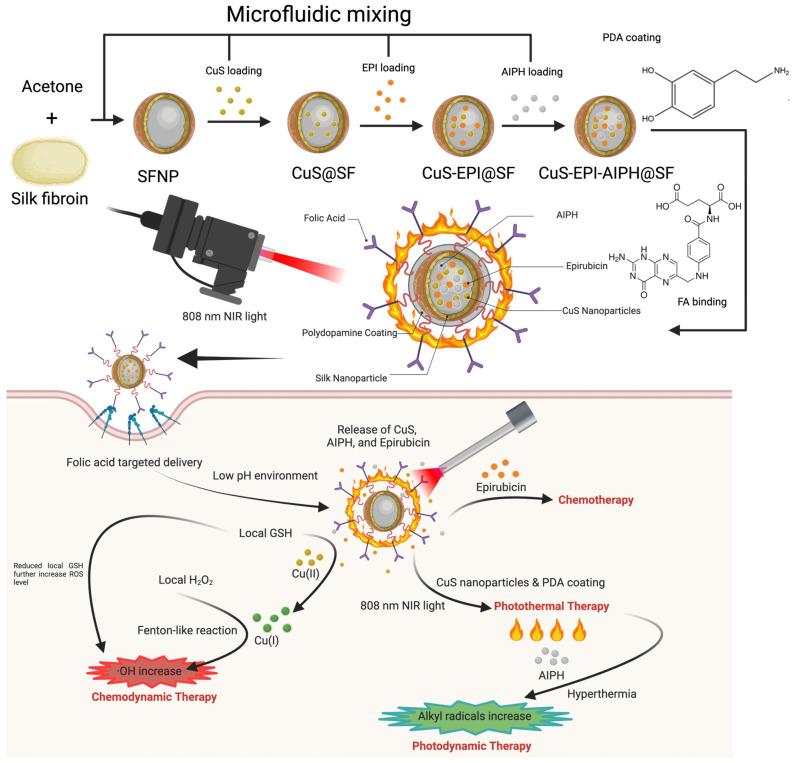
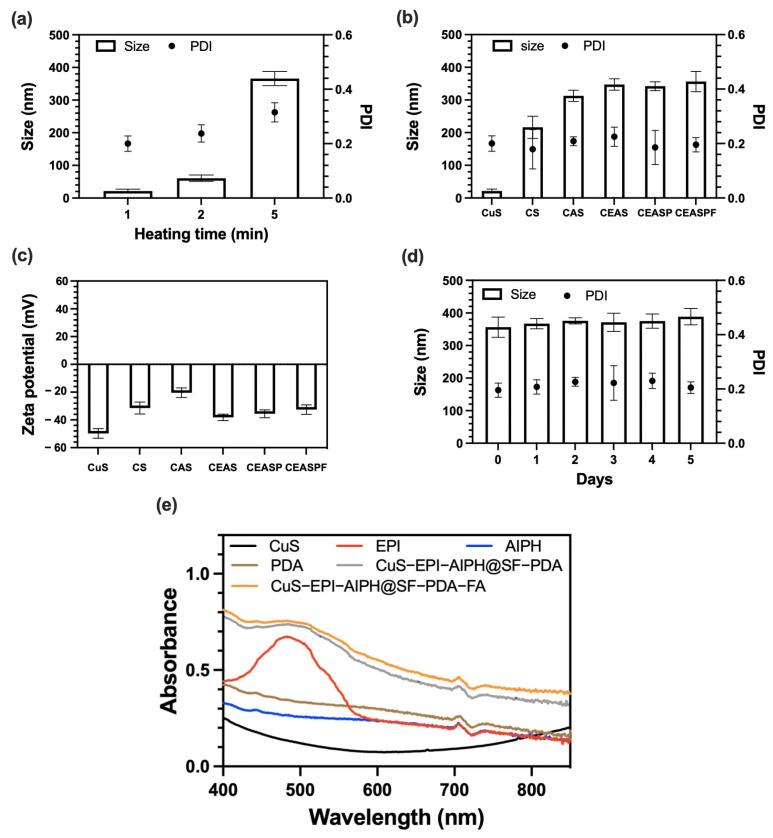
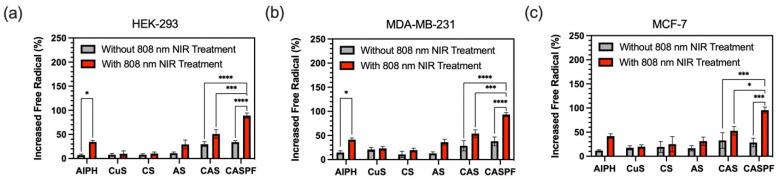
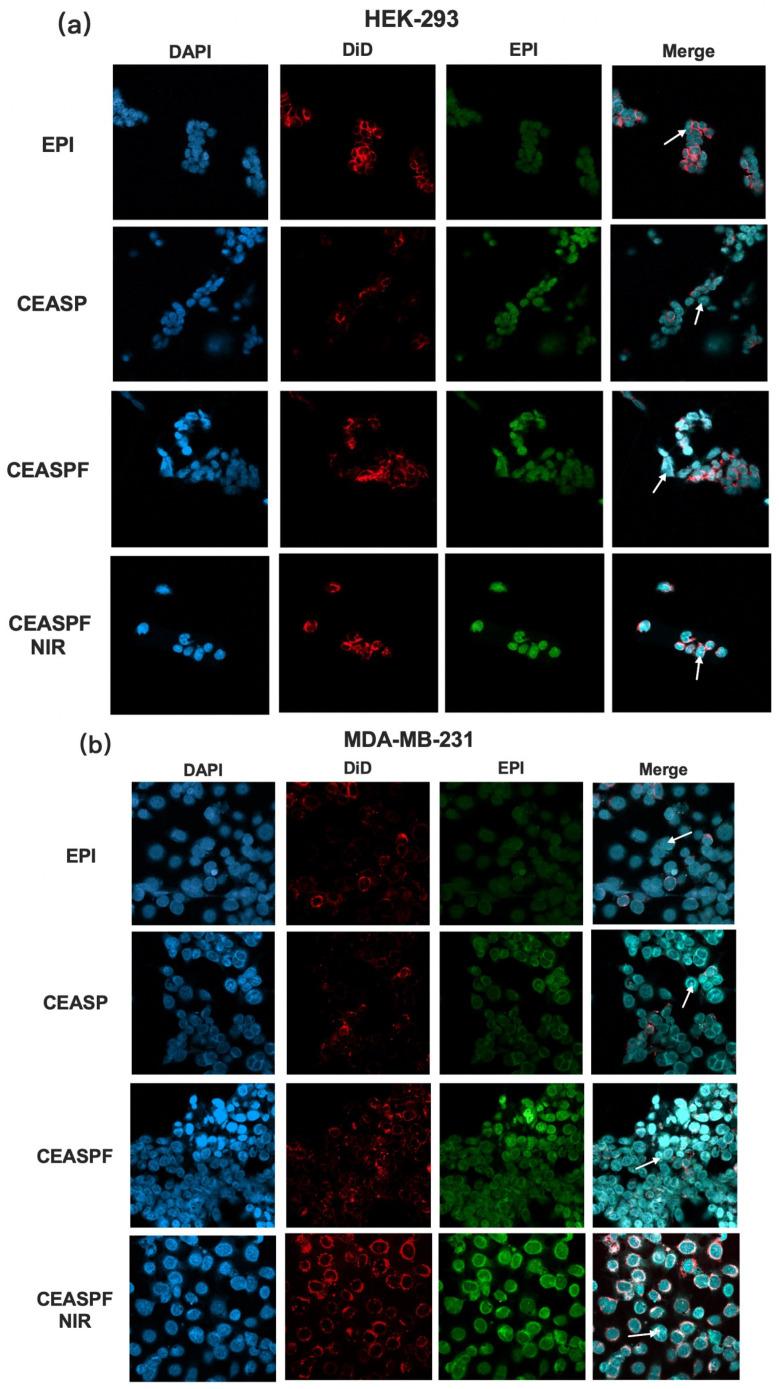
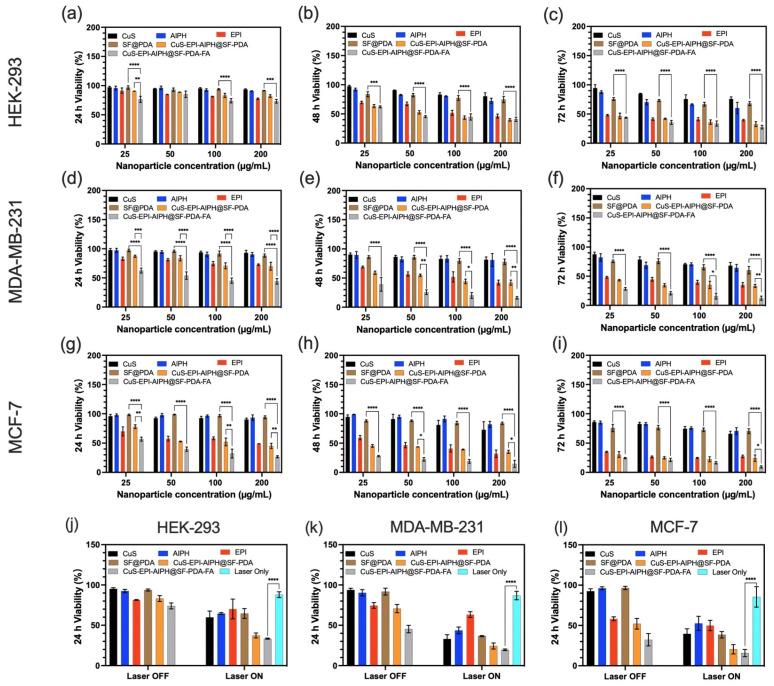
Phototherapy, including photodynamic therapy (PDT) and photothermal therapy (PTT), has emerged as a promising non-invasive cancer treatment, addressing issues like drug resistance and systemic toxicity common in conventional breast cancer therapies. Recent research has shown that copper sulphide (CuS) nanoparticles and polydopamine (PDA) exhibit exceptional photothermal conversion efficiency under 808 nm near-infrared (NIR) laser irradiation, making them valuable for cancer phototherapy. However, the effectiveness of PDT is limited in hypoxic tumour environments, which are common in many breast cancer types, due to its reliance on local oxygen levels. Moreover, single-modality approaches, including phototherapy, often prove insufficient for complete tumour elimination, despite their therapeutic strength. In this paper, a microfluidic-assisted approach was used to create multifunctional silk-based nanoparticles (SFNPs) encapsulating the chemotherapeutic drug Epirubicin (EPI), the PTT/PDT agent CuS, and the heat-activated, oxygen-independent alkyl radical generator AIPH for combined chemotherapy, PTT, and PDT, with a polydopamine (PDA) coating for enhanced photothermal effects and surface-bound folic acid (FA) for targeted delivery in breast cancer treatment. The synthesised CuS-EPI-AIPH@SF-PDA-FA nanoparticles achieved a controlled size of 378 nm, strong NIR absorption, and high photothermal conversion efficiency. Under 808 nm NIR irradiation, these nanoparticles selectively triggered the release of alkyl radicals and EPI, improving intracellular drug levels and effectively killing various breast cancer cell lines while demonstrating low toxicity to non-cancerous cells. We demonstrate that novel core-shell CuS-EPI-AIPH@SF-PDA-FA NPs have been successfully designed as a multifunctional nanoplatform integrating PTT, PDT, and chemotherapy for targeted, synergistic breast cancer treatment.
光疗法,包括光动力疗法(PDT)和光热疗法(PTT),已成为一种有前景的非侵入性癌症治疗方法,可解决传统乳腺癌治疗中常见的耐药性和全身毒性等问题。最近的研究表明,硫化铜(CuS)纳米颗粒和聚多巴胺(PDA)在808nm近红外(NIR)激光照射下表现出优异的光热转换效率,使其在癌症光疗中具有重要价值。然而,由于PDT依赖局部氧水平,在许多乳腺癌类型常见的缺氧肿瘤环境中,其有效性受到限制。此外,尽管光疗法等单一模式方法具有治疗强度,但往往不足以完全消除肿瘤。本文采用微流控辅助方法制备了多功能丝基纳米颗粒(SFNPs),其包裹了化疗药物表柔比星(EPI)、PTT/PDT剂CuS以及热激活、不依赖氧气的烷基自由基发生器AIPH,用于联合化疗、PTT和PDT,并带有聚多巴胺(PDA)涂层以增强光热效应,表面结合叶酸(FA)用于乳腺癌治疗中的靶向递送。合成的CuS-EPI-AIPH@SF-PDA-FA纳米颗粒尺寸控制在378nm,具有强烈的近红外吸收和高光热转换效率。在808nm近红外照射下,这些纳米颗粒选择性地触发烷基自由基和EPI的释放,提高细胞内药物水平,有效杀死各种乳腺癌细胞系,同时对非癌细胞表现出低毒性。我们证明,新型核壳CuS-EPI-AIPH@SF-PDA-FA纳米颗粒已成功设计为一种多功能纳米平台,集成了PTT、PDT和化疗,用于靶向、协同治疗乳腺癌。
 Zotero 插件