Liu Yue, Dong Guoping, Yu Jie, Liang Ping
School of Medicine, Nankai University, Tianjin, 300071, China.
Department of Ultrasound, Fifth Medical Center of Chinese, PLA General Hospital, Beijing, 100853, China.
J Transl Med. 2025 Feb 18;23(1):198. doi: 10.1186/s12967-025-06192-0.
Cancer-associated fibroblasts (CAFs) are key components of the hepatocellular carcinoma (HCC) tumor microenvironment (TME). regulating tumor proliferation, metastasis, therapy resistance, immune evasion via diverse mechanisms. A deeper understanding of the l diversity of CAFs is essential for predicting patient prognosis and guiding treatment strategies.
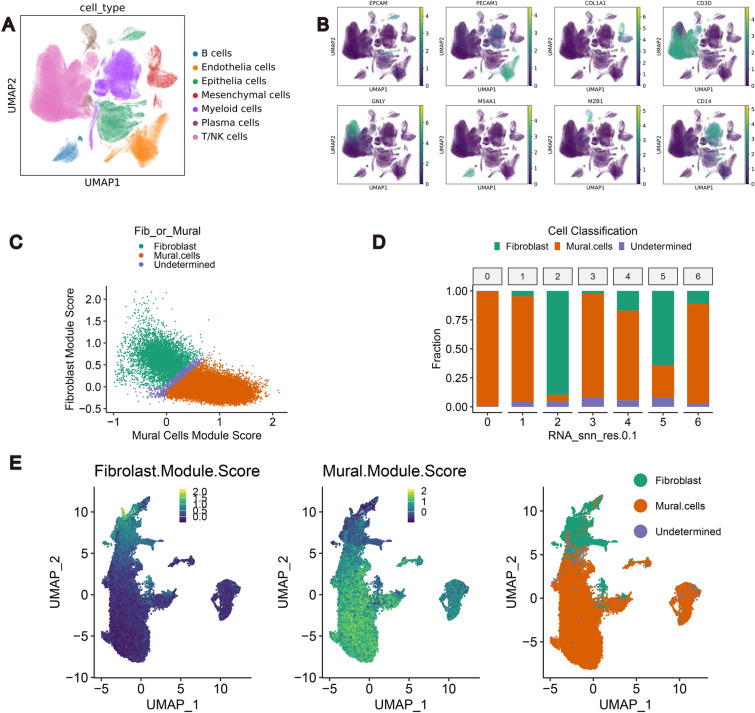
We examined the diversity of CAFs in HCC by integrating single-cell, bulk, and spatial transcriptome analyses.
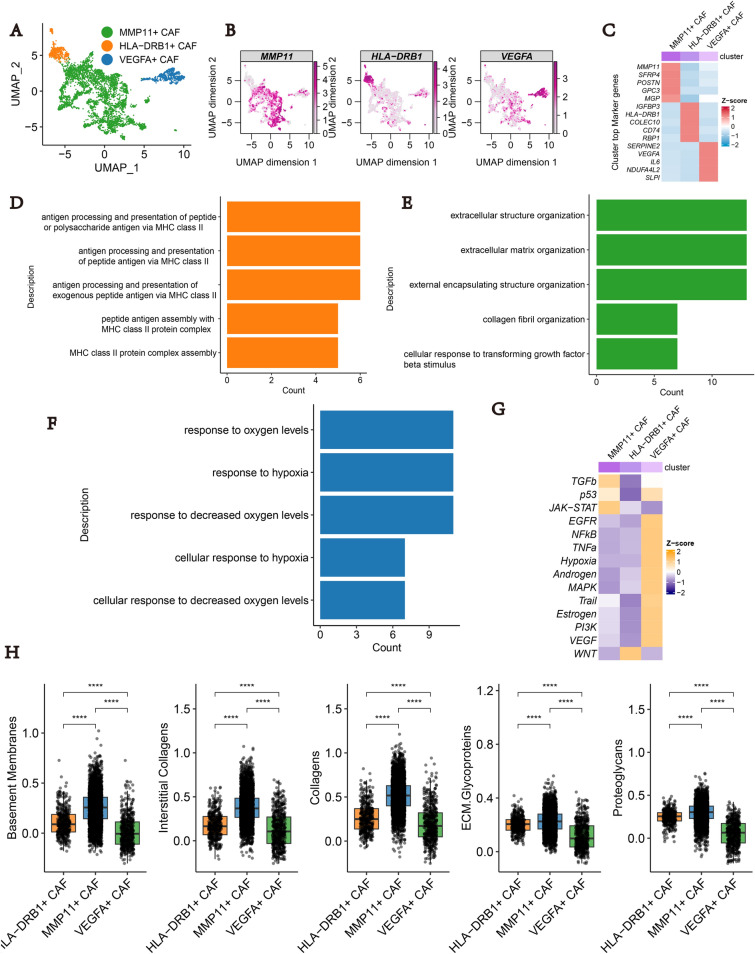
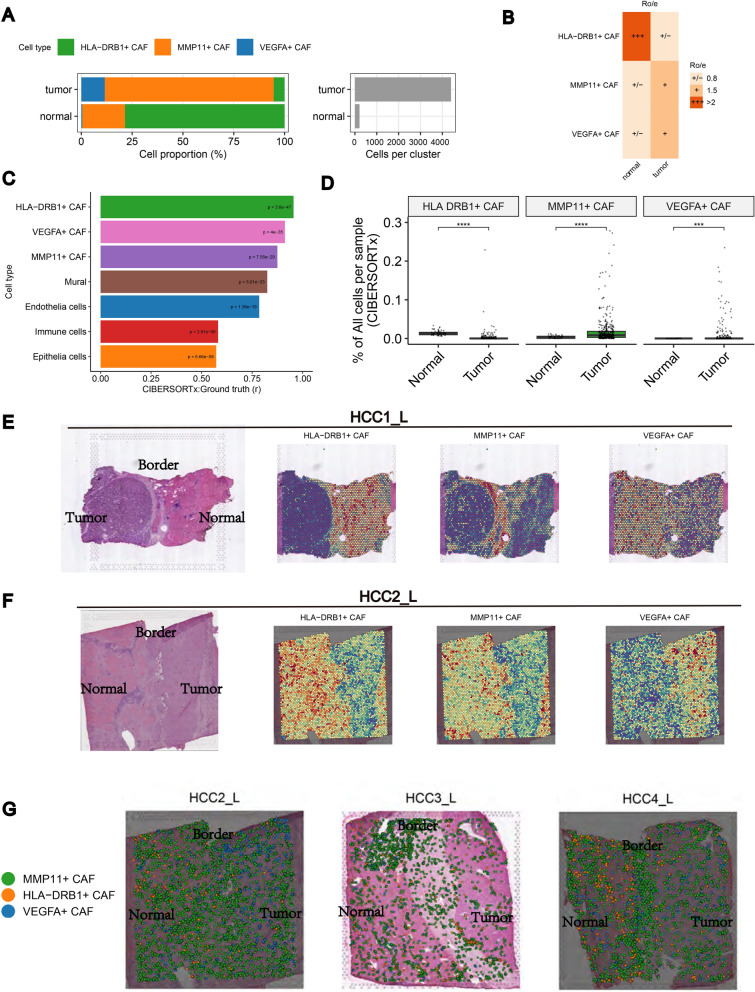
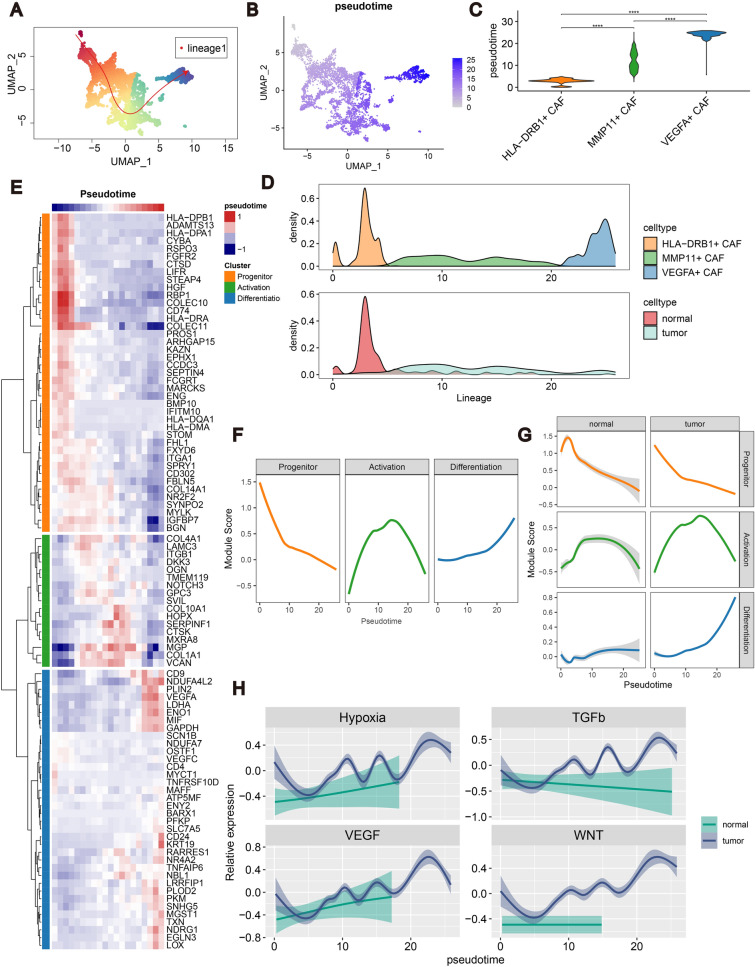
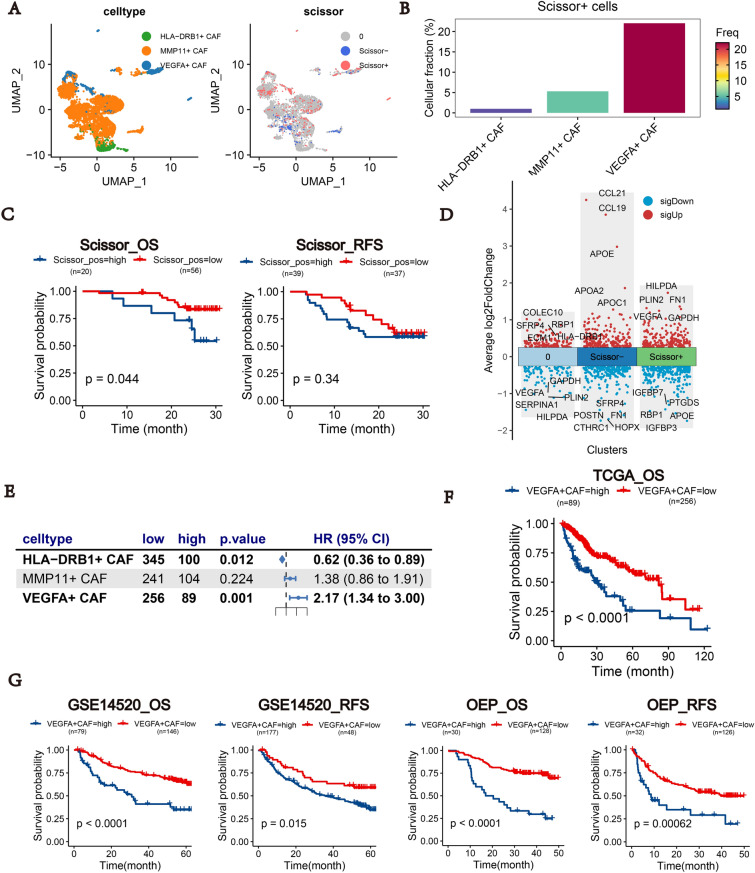
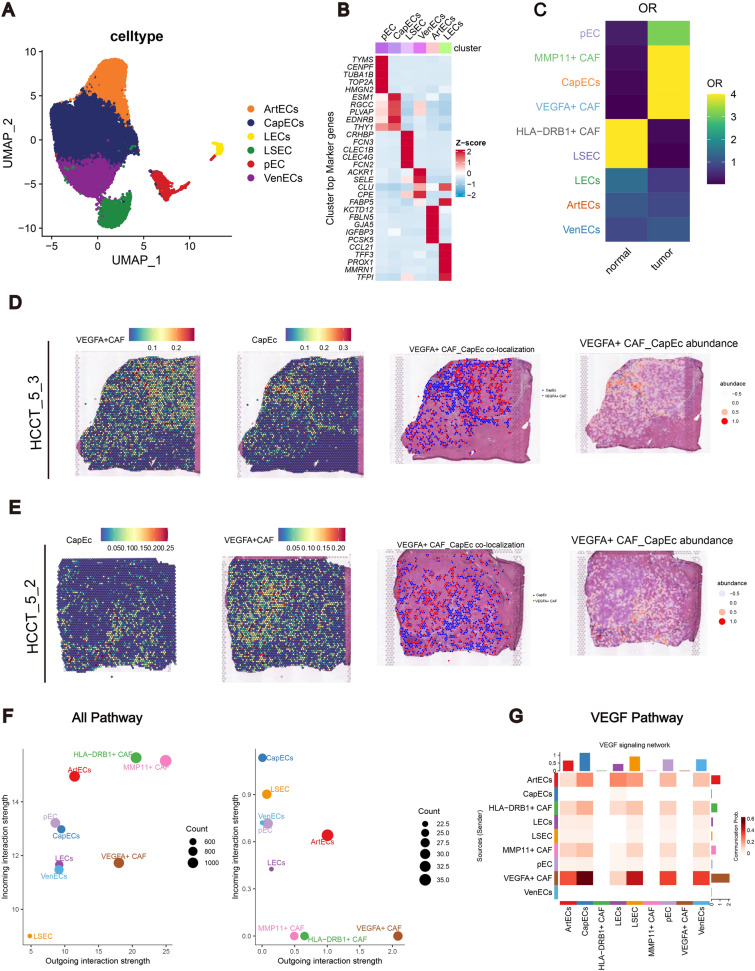
Using a training cohort of 88 HCC single-cell RNA sequencing (scRNA-seq) samples and a validation cohort of 94 samples, encompassing over 1.2 million cells, we classified three fibroblast subpopulations in HCC: HLA-DRB1 + CAF, MMP11 + CAF, and VEGFA + CAF based on highly expressed genes of which, which are primarily located in normal tissue, tumor boundaries, and tumor interiors, respectively. Cell trajectory analysis revealed that VEGFA + CAFs are at the terminal stage of differentiation, which, notably, is tumor-specific. VEGFA + CAFs were significantly associated with patient survival, and the hypoxic microenvironment was found to be a major factor inducing VEGFA + CAFs. Through cellular communication with capillary endothelial cells (CapECs), VEGFA + CAFs promoted intra-tumoral angiogenesis, facilitating tumor progression and metastasis. Additionally, a machine learning model developed using high-expression genes from VEGFA + CAFs demonstrated high accuracy in predicting prognosis and sorafenib response in HCC patients.
We characterized three fibroblast subpopulations in HCC and revealed their distinct spatial distributions within the tumor. VEGFA + CAFs, which was induced by hypoxic TME, were associated with poorer prognosis, as they promote tumor angiogenesis through cellular communication with CapECs. Our findings provide novel insights and pave the way for individualized therapy in HCC patients.
癌症相关成纤维细胞(CAFs)是肝细胞癌(HCC)肿瘤微环境(TME)的关键组成部分,通过多种机制调节肿瘤增殖、转移、治疗抵抗和免疫逃逸。深入了解CAFs的多样性对于预测患者预后和指导治疗策略至关重要。
我们通过整合单细胞、批量和空间转录组分析来研究HCC中CAFs的多样性。
利用一个包含88个HCC单细胞RNA测序(scRNA-seq)样本的训练队列和一个包含94个样本的验证队列,涵盖超过120万个细胞,我们根据高表达基因将HCC中的成纤维细胞分为三个亚群:HLA-DRB1+CAF、MMP11+CAF和VEGFA+CAF,其中它们主要分别位于正常组织、肿瘤边界和肿瘤内部。细胞轨迹分析显示VEGFA+CAFs处于分化的终末阶段,值得注意的是,这是肿瘤特异性的。VEGFA+CAFs与患者生存显著相关,并且发现缺氧微环境是诱导VEGFA+CAFs的主要因素。通过与毛细血管内皮细胞(CapECs)的细胞通讯,VEGFA+CAFs促进肿瘤内血管生成,促进肿瘤进展和转移。此外,使用来自VEGFA+CAFs的高表达基因开发的机器学习模型在预测HCC患者的预后和索拉非尼反应方面表现出高准确性。
我们对HCC中的三个成纤维细胞亚群进行了表征,并揭示了它们在肿瘤内不同的空间分布。由缺氧TME诱导的VEGFA+CAFs与较差的预后相关,因为它们通过与CapECs的细胞通讯促进肿瘤血管生成。我们的发现提供了新的见解,并为HCC患者的个体化治疗铺平了道路。