Antares Joyaa B, Jones Mark A, Chak Nga Ting Natalie, Chi Yuan, Li Hong, Li Mingdi, Chan Eva Y W, Chen Tracy Mui Kwan, Lee Crystal Man Ying, Urquhart Donna M
GC Osteopathy, Mudgeeraba, QLD, Australia.
East Devon Osteopathy, Axminster, Devon, UK.
BMC Musculoskelet Disord. 2025 Feb 20;26(1):178. doi: 10.1186/s12891-025-08407-3.
Congenital Muscular Torticollis (CMT) is the third most common musculoskeletal condition in infancy, and if untreated can lead to significant disability. While a range of conservative treatments are commonly used in the management of CMT, an understanding of their efficacy and safety is limited. This systematic review and meta-analysis, without language or discipline restriction, was conducted to address this knowledge gap.
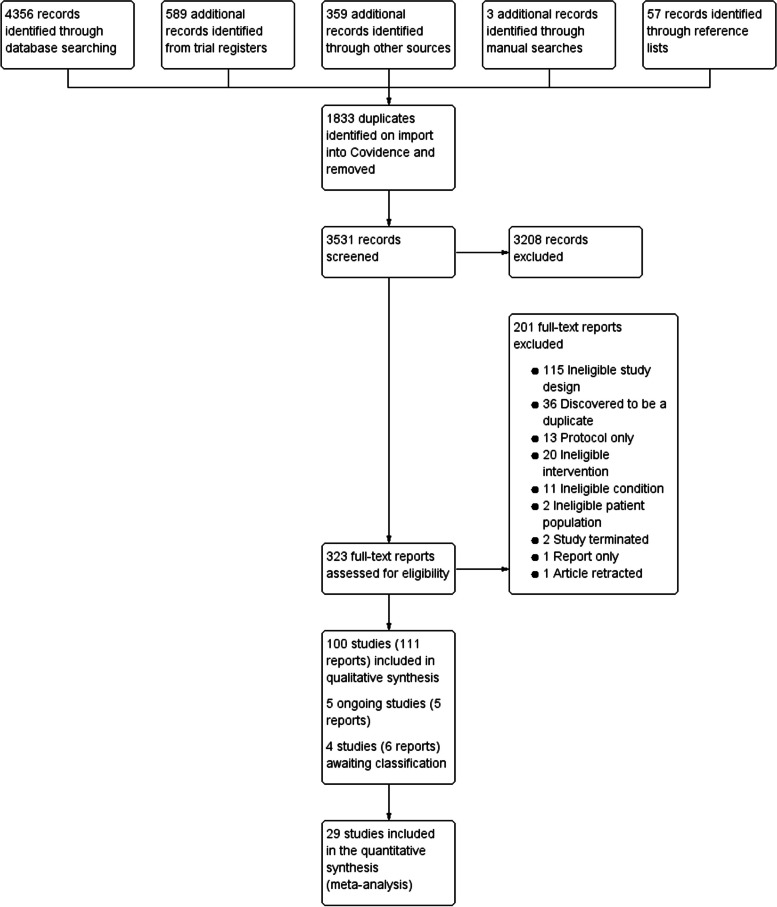
Electronic searches of CENTRAL, PubMed, 22 other electronic databases, three trials registers and Google Scholar, were conducted for randomised controlled trials, which examined any non-surgical, non-pharmacological interventions, including but not limited to manual treatments, movement therapy, acupuncture, adjunctive therapies and physical support, in children aged 0 to 5 years with CMT. Two reviewers independently assessed the risk of bias of the included studies using the Cochrane Risk of bias 1 tool, rated their certainty of evidence using grading of recommendations assessment, development and evaluation (GRADE) framework, and performed random-effects meta-analyses.
One hundred studies (80 from China) involving 8125 participants published between 1990 and 2023 were included. Adding manual therapy to an active control resulted in short-term improvements in passive cervical rotation (odds ratio (OR) 9.79, 95%CI 4.26,22.50), passive cervical lateroflexion (OR 2.66, 95%CI 1.17,6.04), active cervical rotation (OR 3.94, 95%CI 1.08,14.35), symmetric head posture (OR 4.55, 95%CI 2.57,8.05), sternocleidomastoid tumour thickness (mean difference (MD) -2.12 mm, 95%CI -2.98,-1.26) and development of symmetrical movement (standardised MD -0.70, 95%CI -0.95,-0.45). The addition of an electrophysical agent to an active control reduced sternocleidomastoid tumour thickness (MD -2.03 mm, 95%CI -2.67,-1.39) and optimised Tuina reduced tumour thickness more than traditional Tuina (MD -1.20 mm, 95%CI -1.80,-0.59). Adverse events were uncommon but poorly reported, with 71 (71%) of studies providing no data. Study heterogeneity limited pooling of data for meta-analysis, and there was very low to low certainty evidence for all results, due to high risk of bias, small sample sizes and study heterogeneity.
This review found that non-surgical, non-pharmacological treatments may be effective for CMT, but the certainty of evidence is very low to low. These findings are important in informing clinical guidelines and management for CMT and highlight an urgent need for large definitive trials that address the limitations of current studies.
Cochrane Database of Systematic Reviews (No.: CD012987).
先天性肌性斜颈(CMT)是婴儿期第三常见的肌肉骨骼疾病,若不治疗可导致严重残疾。虽然一系列保守治疗方法常用于CMT的管理,但对其疗效和安全性的了解有限。本系统评价和荟萃分析不受语言或学科限制,旨在填补这一知识空白。
对CENTRAL、PubMed、其他22个电子数据库、三个试验注册库和谷歌学术进行电子检索,以查找随机对照试验,这些试验研究了0至5岁CMT儿童的任何非手术、非药物干预措施,包括但不限于手法治疗、运动疗法、针灸、辅助疗法和物理支撑。两名评价员使用Cochrane偏倚风险1工具独立评估纳入研究的偏倚风险,使用推荐分级评估、制定和评价(GRADE)框架对证据的确定性进行评级,并进行随机效应荟萃分析。
纳入了1990年至2023年发表的100项研究(80项来自中国),涉及8125名参与者。在积极对照的基础上增加手法治疗可使被动颈椎旋转(优势比(OR)9.79,95%置信区间4.26,22.50)、被动颈椎侧屈(OR 2.66,95%置信区间1.17,6.04)、主动颈椎旋转(OR 3.94,95%置信区间1.08,14.35)、对称头部姿势(OR 4.55,95%置信区间2.57,8.05)、胸锁乳突肌肿块厚度(平均差(MD)-2.12mm,95%置信区间-2.98,-1.26)和对称运动发育(标准化MD -0.70,95%置信区间-0.95,-0.45)在短期内得到改善。在积极对照的基础上增加电物理因子可降低胸锁乳突肌肿块厚度(MD -2.03mm,95%置信区间-2.67,-1.39),优化推拿比传统推拿更能降低肿块厚度(MD -1.20mm,95%置信区间-1.80,-0.59)。不良事件不常见,但报告不足,71项(71%)研究未提供数据。研究异质性限制了荟萃分析数据的合并,由于偏倚风险高、样本量小和研究异质性,所有结果的证据确定性都非常低到低。
本综述发现,非手术、非药物治疗可能对CMT有效,但证据的确定性非常低到低。这些发现对于为CMT的临床指南和管理提供信息很重要,并突出了迫切需要开展大型确定性试验以解决当前研究的局限性。
Cochrane系统评价数据库(编号:CD012987)。