Rahman Fasih A, Graham Mackenzie Q, Adam Amanda M, Juracic Emma S, Tupling A Russell, Quadrilatero Joe
Faculty of Health, Department of Kinesiology and Health Sciences, University of Waterloo, 200 University Ave. West, Waterloo, ON, N2L 3G1, Canada.
J Biomed Sci. 2025 Feb 18;32(1):29. doi: 10.1186/s12929-025-01118-w.
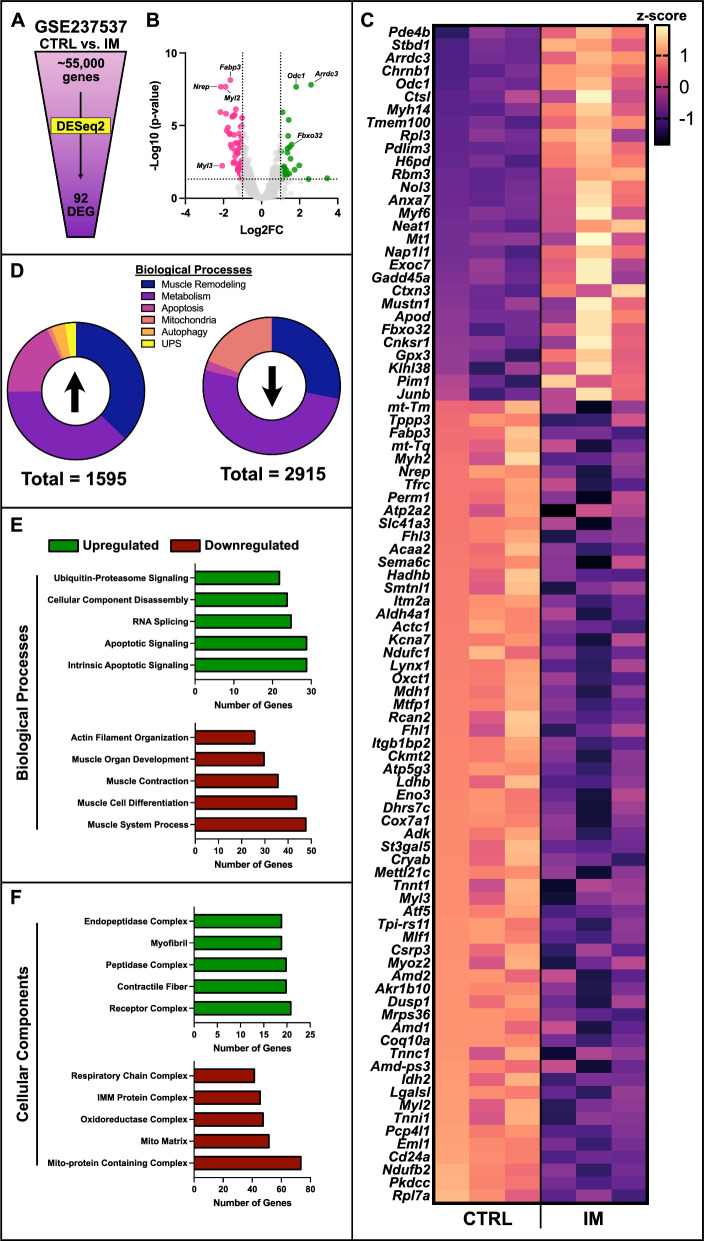
Skeletal muscle atrophy involves significant remodeling of fibers and is characterized by deficits in mitochondrial content and function. These changes are intimately connected to shifts in mitochondrial turnover, encompassing processes such as mitophagy and mitochondrial biogenesis. However, the role of these mitochondrial turnover processes in muscle atrophy remains poorly understood.
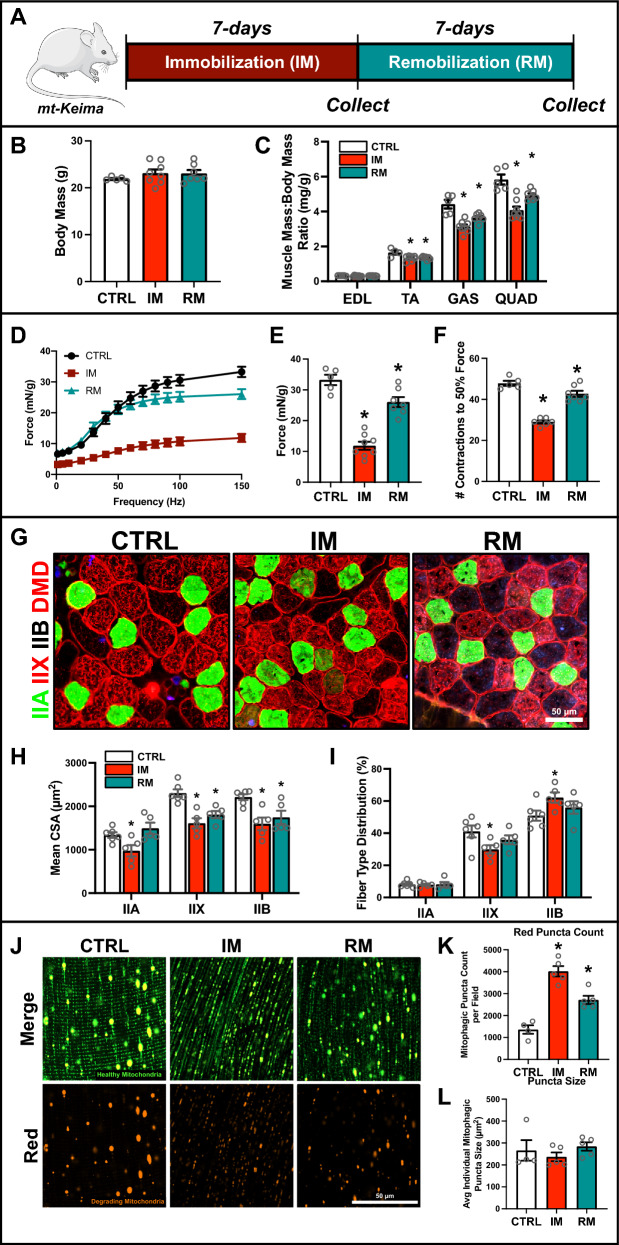
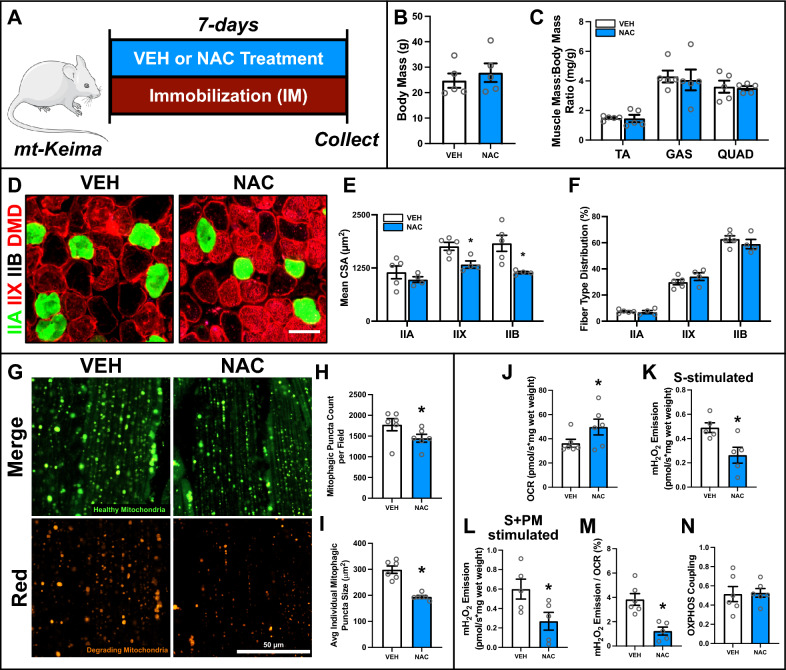
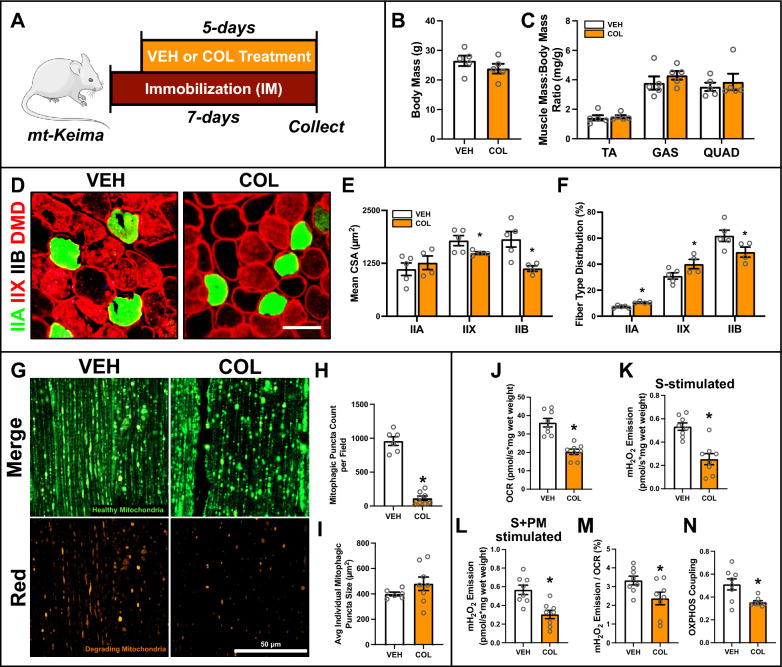
We used a novel mitophagy reporter model, mt-Keima mice, to perform hindlimb immobilization and accurately measure mitophagy. A comprehensive set of analyses were conducted to investigate biochemical and molecular changes at the muscle and mitochondrial levels. We also performed image analyses to determine mitophagic flux. To further explore the role of mitophagy in immobilization-induced atrophy, we treated animals with N-acetylcysteine (NAC; 150 mg/kg/day) to modify reactive oxygen species (ROS) signaling and colchicine (0.4 mg/kg/day) to inhibit autophagy.
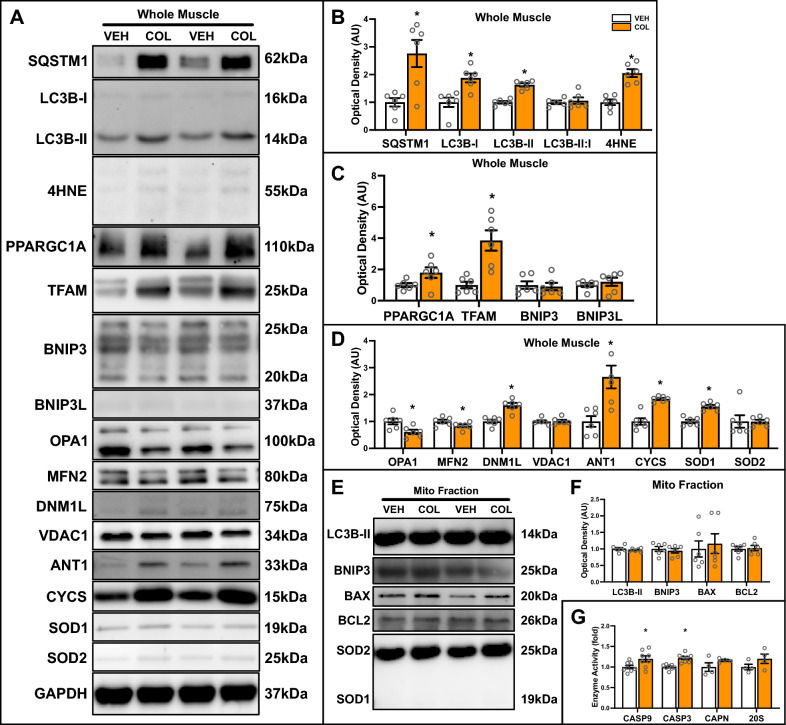
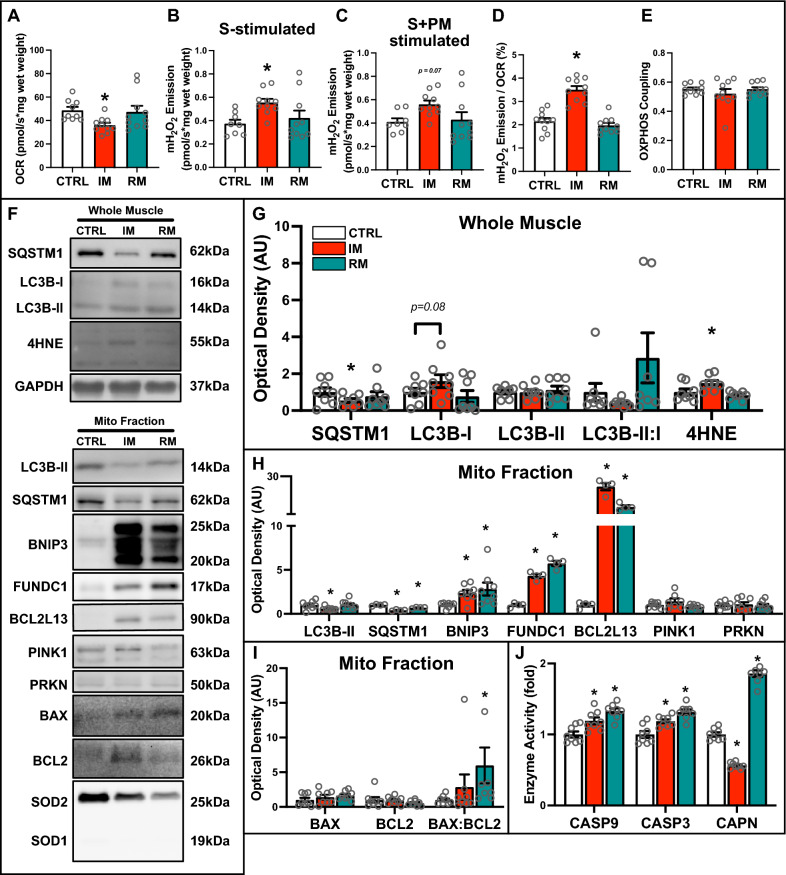
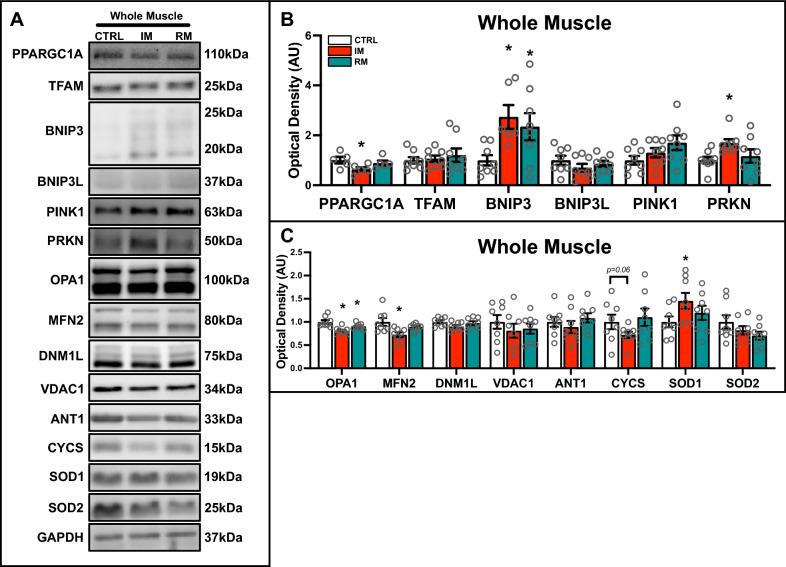
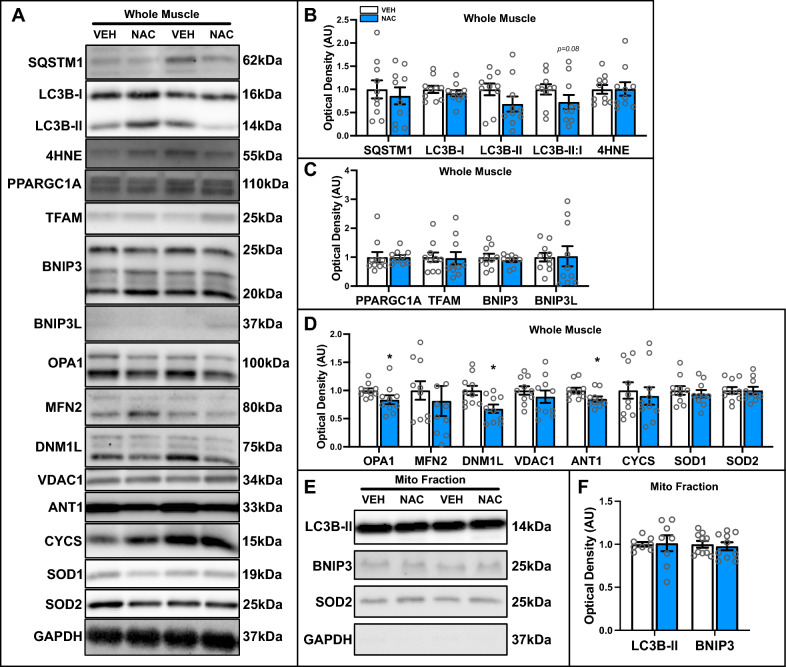
Our study revealed that hindlimb immobilization leads to muscle weakness and atrophy of fast-twitch muscle fibers (types IIA, IIX, and IIB), with recovery observed in IIA fibers following remobilization. This atrophy was accompanied by a significant increase in mitophagic flux. Additionally, immobilization induced notable mitochondrial dysfunction, as shown by diminished respiration, increased mitochondrial ROS, and greater whole muscle lipid peroxidation. Treatment of immobilized mice with NAC enhanced mitochondrial respiration and reduced ROS generation but suppressed mitophagic flux and intensified atrophy of type IIX and IIB fibers. Additionally, administration of colchicine to immobilized mice suppressed mitophagic flux, which also exacerbated atrophy of IIX and IIB fibers. Colchicine treatment led to significant reductions in mitochondrial function, accompanied by CASP9 and CASP3 activation.
These findings emphasize the role of mitophagy in limiting excessive muscle atrophy during immobilization. Targeting mitophagy may offer new strategies to preserve muscle function during prolonged periods of immobilization.
骨骼肌萎缩涉及纤维的显著重塑,其特征是线粒体含量和功能缺陷。这些变化与线粒体更新的改变密切相关,包括线粒体自噬和线粒体生物发生等过程。然而,这些线粒体更新过程在肌肉萎缩中的作用仍知之甚少。
我们使用了一种新型的线粒体自噬报告模型,即线粒体靶向红色荧光蛋白Keima小鼠(mt-Keima小鼠),进行后肢固定并准确测量线粒体自噬。进行了一系列综合分析,以研究肌肉和线粒体水平的生化和分子变化。我们还进行了图像分析以确定线粒体自噬通量。为了进一步探索线粒体自噬在固定诱导的萎缩中的作用,我们用N-乙酰半胱氨酸(NAC;150毫克/千克/天)处理动物以改变活性氧(ROS)信号,并用地高辛(0.4毫克/千克/天)抑制自噬。
我们的研究表明,后肢固定导致快速收缩肌纤维(IIA型、IIX型和IIB型)的肌肉无力和萎缩,重新活动后IIA型纤维可恢复。这种萎缩伴随着线粒体自噬通量的显著增加。此外,固定导致明显的线粒体功能障碍,表现为呼吸减弱、线粒体ROS增加和全肌肉脂质过氧化增加。用NAC处理固定的小鼠可增强线粒体呼吸并减少ROS生成,但抑制线粒体自噬通量并加剧IIX型和IIB型纤维的萎缩。此外,给固定的小鼠注射地高辛可抑制线粒体自噬通量,这也加剧了IIX型和IIB型纤维的萎缩。地高辛处理导致线粒体功能显著降低,同时伴有半胱天冬酶9(CASP9)和半胱天冬酶3(CASP3)激活。
这些发现强调了线粒体自噬在限制固定期间过度肌肉萎缩中的作用。靶向线粒体自噬可能为在长时间固定期间保留肌肉功能提供新策略。