Haddadi Avval Atlas, Banerjee Suneel, Zielke John, Kann Benjamin H, Mueller Sabine, Rauschecker Andreas M
Center for Intelligent Imaging, Department of Radiology and Biomedical Imaging, University of California San Francisco (UCSF), San Francisco, California, USA.
Medical Scientist Training Program (MSTP), University of California San Diego (UCSD), San Diego, California, USA.
Neuro Oncol. 2025 Jul 30;27(6):1419-1433. doi: 10.1093/neuonc/noaf058.
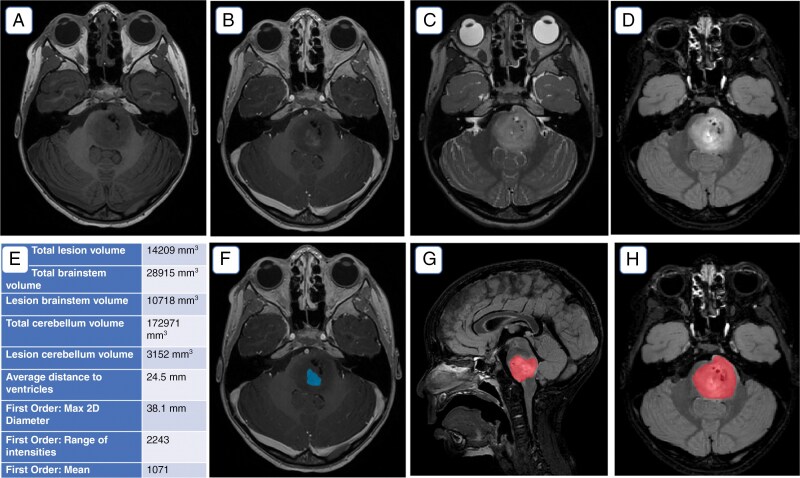
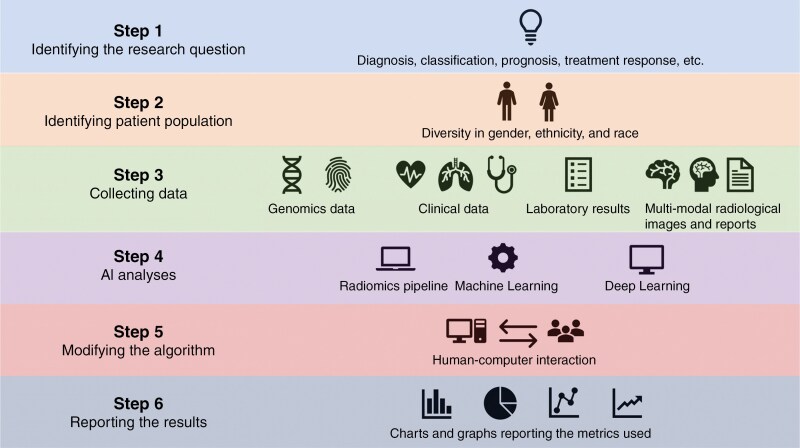
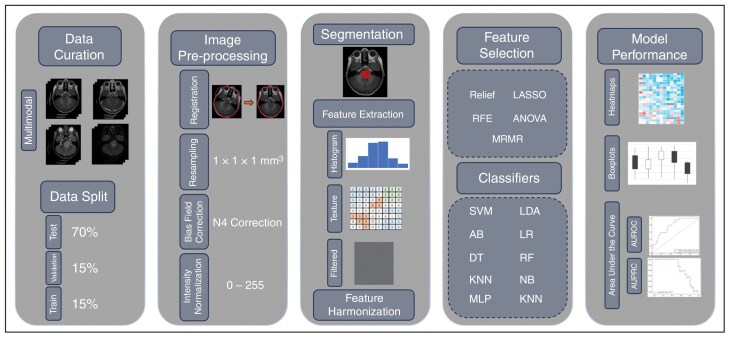
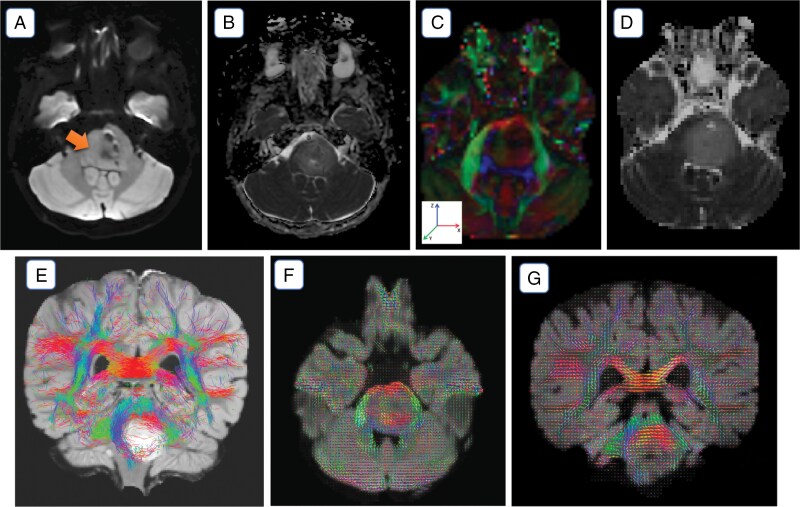
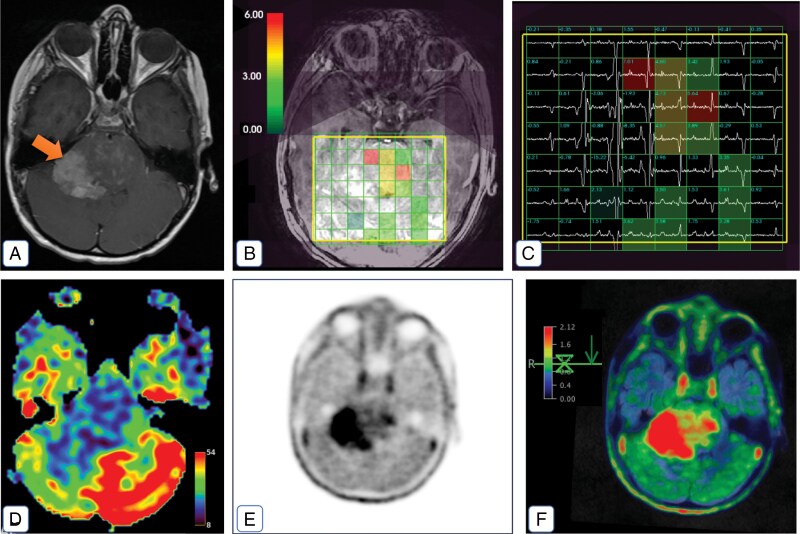
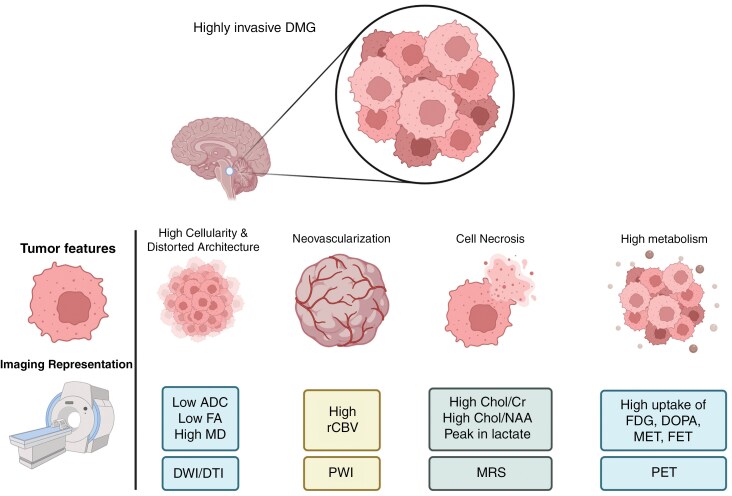
Diffuse midline glioma (DMG) is a rare, aggressive, and fatal tumor that largely occurs in the pediatric population. To improve outcomes, it is important to characterize DMGs, which can be performed via magnetic resonance imaging (MRI) assessment. Recently, artificial intelligence (AI) and advanced imaging have demonstrated their potential to improve the evaluation of various brain tumors, gleaning more information from imaging data than is possible without these methods. This narrative review compiles the existing literature on the intersection of MRI-based AI use and DMG tumors. The applications of AI in DMG revolve around classification and diagnosis, segmentation, radiogenomics, and prognosis/survival prediction. Currently published articles have utilized a wide spectrum of AI algorithms, from traditional machine learning and radiomics to neural networks. Challenges include the lack of cohorts of DMG patients with publicly available, multi-institutional, multimodal imaging and genomics datasets as well as the overall rarity of the disease. As an adjunct to AI, advanced MRI techniques, including diffusion-weighted imaging, perfusion-weighted imaging, and Magnetic Resonance Spectroscopy (MRS), as well as positron emission tomography (PET), provide additional insights into DMGs. Establishing AI models in conjunction with advanced imaging modalities has the potential to push clinical practice toward precision medicine.
弥漫性中线胶质瘤(DMG)是一种罕见、侵袭性强且致命的肿瘤,主要发生于儿童群体。为改善治疗效果,对DMG进行特征描述很重要,这可通过磁共振成像(MRI)评估来实现。最近,人工智能(AI)和先进成像技术已展现出改善各种脑肿瘤评估的潜力,能从成像数据中获取比不使用这些方法时更多的信息。这篇叙述性综述汇编了关于基于MRI的AI应用与DMG肿瘤交叉领域的现有文献。AI在DMG中的应用围绕分类与诊断、分割、放射基因组学以及预后/生存预测展开。目前已发表的文章使用了广泛的AI算法,从传统机器学习和放射组学到神经网络。挑战包括缺乏具有公开可用的多机构、多模态成像和基因组学数据集的DMG患者队列,以及该疾病总体上较为罕见。作为AI的辅助手段,先进的MRI技术,包括扩散加权成像、灌注加权成像和磁共振波谱(MRS),以及正电子发射断层扫描(PET),能为DMG提供更多见解。结合先进成像模式建立AI模型有可能推动临床实践走向精准医学。