Negatu Seble G, Vazquez Christine, Bannerman Carl, Amses Kevin R, Ming Guo-Li, Jurado Kellie A
Department of Microbiology, University of Pennsylvania Perelman School of Medicine, Philadelphia, PA, USA.
Department of Neuroscience, University of Pennsylvania Perelman School of Medicine, Philadelphia, PA, USA.
J Neuroinflammation. 2025 Mar 5;22(1):65. doi: 10.1186/s12974-025-03381-y.
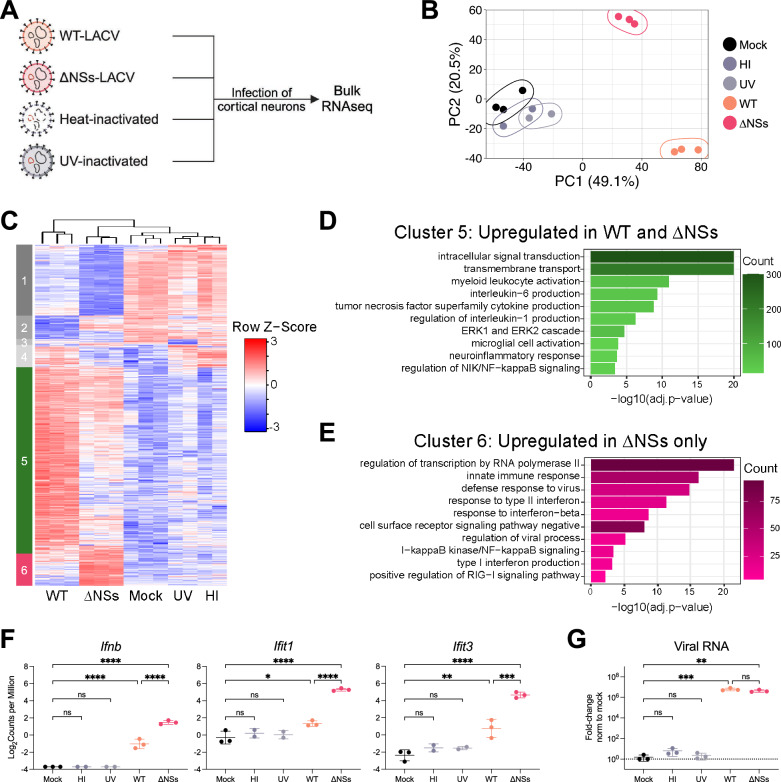
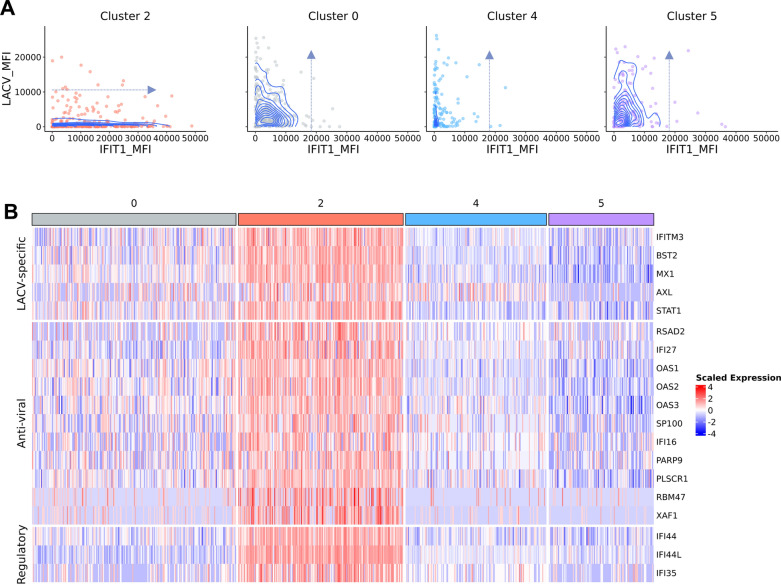
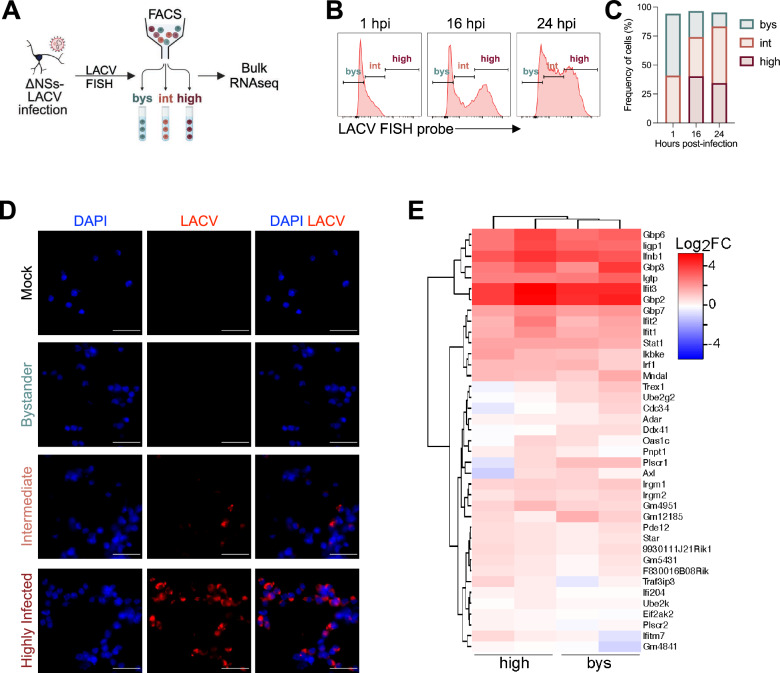
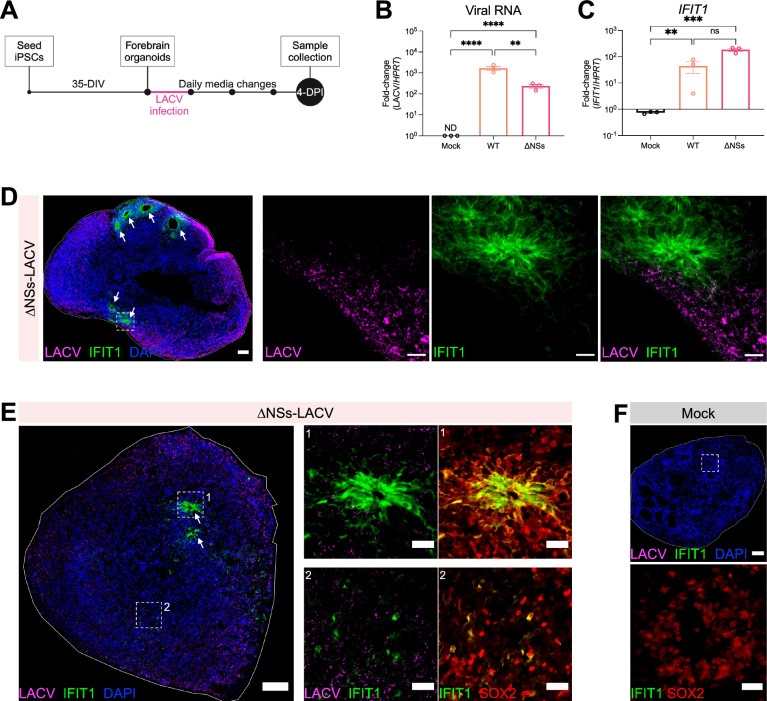
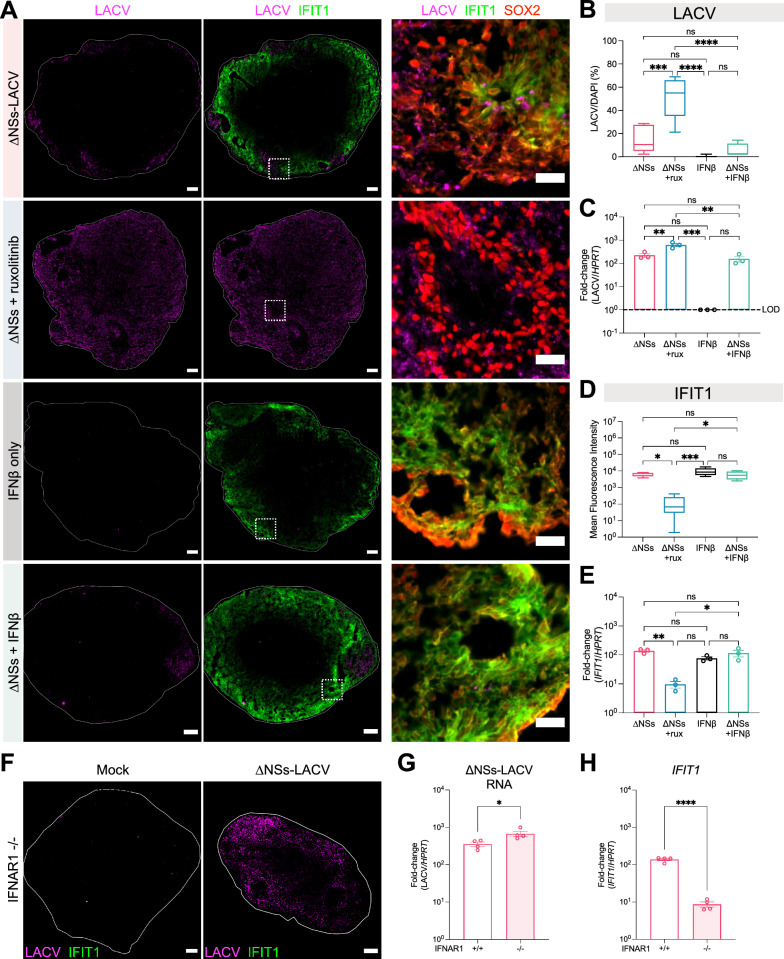
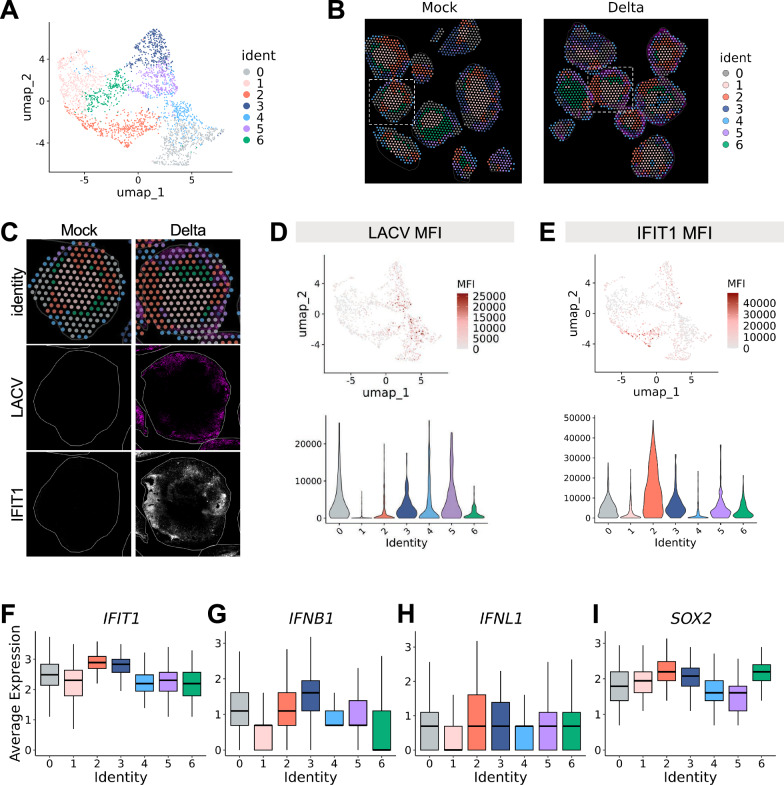
Neurotropic viruses are the most common cause of infectious encephalitis and highly target neurons for infection. Our understanding of the intrinsic capacity of neuronal innate immune responses to mediate protective antiviral responses remains incomplete. Here, we evaluated the role of intercellular crosstalk in mediating intrinsic neuronal immunity and its contribution to limiting viral infection. We found that in the absence of viral antagonism, neurons transcriptionally induce robust interferon signaling and can effectively signal to uninfected bystander neurons. Yet, in two-dimensional cultures, this dynamic response did not restrict viral spread. Interestingly, this differed in the context of viral infection in three-dimensional forebrain organoids with complex neuronal subtypes and cellular organization, where we observed protective capacity. We showed antiviral crosstalk between infected neurons and bystander neural progenitors is mediated by type I interferon signaling. Using spatial transcriptomics, we then uncovered regions containing bystander neural progenitors that expressed distinct antiviral genes, revealing critical underpinnings of protective antiviral responses among neuronal subtypes. These findings underscore the importance of interneuronal communication in protective antiviral immunity in the brain and implicate key contributions to protective antiviral signaling.
嗜神经病毒是感染性脑炎最常见的病因,并且高度靶向神经元进行感染。我们对神经元固有免疫反应介导保护性抗病毒反应的内在能力的理解仍不完整。在这里,我们评估了细胞间串扰在介导神经元固有免疫及其对限制病毒感染的贡献中的作用。我们发现,在没有病毒拮抗作用的情况下,神经元转录诱导强大的干扰素信号传导,并能有效地向未感染的旁观者神经元发出信号。然而,在二维培养中,这种动态反应并不能限制病毒传播。有趣的是,在具有复杂神经元亚型和细胞组织的三维前脑类器官中的病毒感染情况下,情况有所不同,我们在其中观察到了保护能力。我们表明,感染神经元与旁观者神经祖细胞之间的抗病毒串扰是由I型干扰素信号传导介导的。然后,通过空间转录组学,我们发现了含有表达不同抗病毒基因的旁观者神经祖细胞的区域,揭示了神经元亚型之间保护性抗病毒反应的关键基础。这些发现强调了神经元间通讯在大脑保护性抗病毒免疫中的重要性,并暗示了对保护性抗病毒信号传导的关键贡献。