Yu Tang, Zhao Jiumei, Li Ziwei, Pan Chenglong, Liu Jialing, Zheng Kepu, Wang Xiaohao, Zhang Yan
The Third Affiliated Hospital of Kunming Medical University, Kunming Medical University, Kunming, China.
Chongqing Nanchuan District People's Hospital, Chongqing Medical University, Chongqing, China.
Cancer Rep (Hoboken). 2025 Mar;8(3):e70123. doi: 10.1002/cnr2.70123.
Colorectal cancer is one of the most prevalent malignancies worldwide, with a tendency of increasing incidence in developed countries, which poses a significant threat to the patients' physical and mental health.
The process of gene transcription affects the important physiological functions of cells, so the normal expression of transcription factors is an important prerequisite for maintaining cellular homeostasis. Changes in the level of zinc finger proteins, the most prevalent transcription factor, may play an important trigger for the development of colorectal cancer. Different zinc finger proteins play different roles in terms of promoting or inhibiting cancer development.
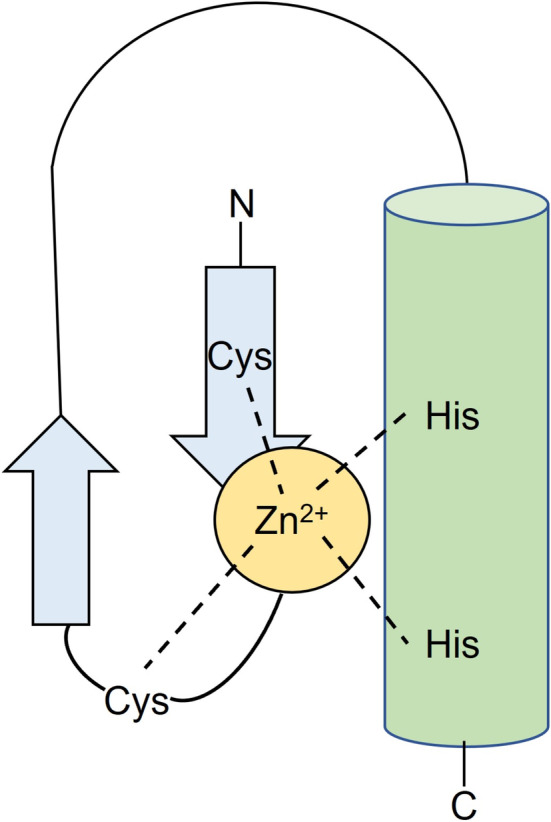
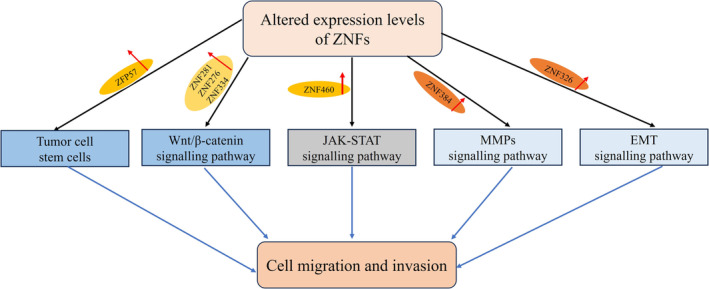
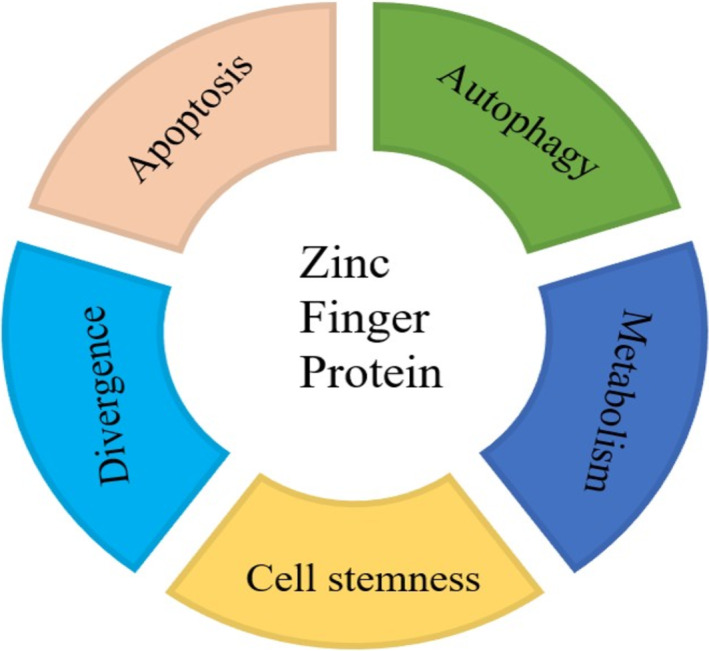
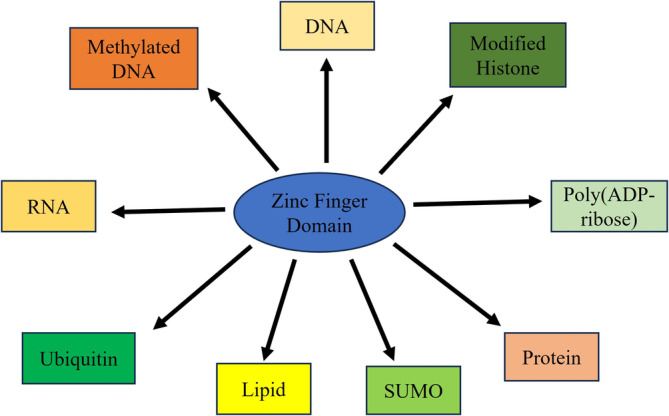
This paper briefly reviews the classification, functional characteristics, and expression changes of zinc finger proteins in colorectal cancer, it focuses on how they regulate gene transcription, influence on common signaling pathways, and their potential for translational studies and clinical applications. The objective is to stimulate new ideas for their study of colorectal cancer while also providing foundational information to guide drug development and treatment strategies for colorectal cancer patients in clinical settings.
结直肠癌是全球最常见的恶性肿瘤之一,在发达国家有发病率上升的趋势,这对患者的身心健康构成了重大威胁。
基因转录过程影响细胞的重要生理功能,因此转录因子的正常表达是维持细胞稳态的重要前提。最普遍的转录因子锌指蛋白水平的变化可能是结直肠癌发生发展的重要触发因素。不同的锌指蛋白在促进或抑制癌症发展方面发挥着不同的作用。
本文简要综述了结直肠癌中锌指蛋白的分类、功能特性及表达变化,重点关注它们如何调节基因转录、影响常见信号通路,以及它们在转化研究和临床应用方面的潜力。目的是激发对结直肠癌研究的新思路,同时为临床环境中指导结直肠癌患者的药物开发和治疗策略提供基础信息。