Mills Kathleen A M, Westermann Frederike, Espinosa Vanessa, Rosiek Eric, Desai Jigar V, Aufiero Mariano A, Guo Yahui, Liu Fitty L, Mitchell Kennedy A, Tuzlak Selma, De Feo Donatella, Lionakis Michail S, Rivera Amariliz, Becher Burkhard, Hohl Tobias M
Immunology and Microbial Pathogenesis Program, Weill Cornell Graduate School of Medical Sciences, New York, NY, USA.
Institute of Experimental Immunology, University of Zurich, Zurich, Switzerland.
Sci Immunol. 2025 Mar 21;10(105):eadr0547. doi: 10.1126/sciimmunol.adr0547.
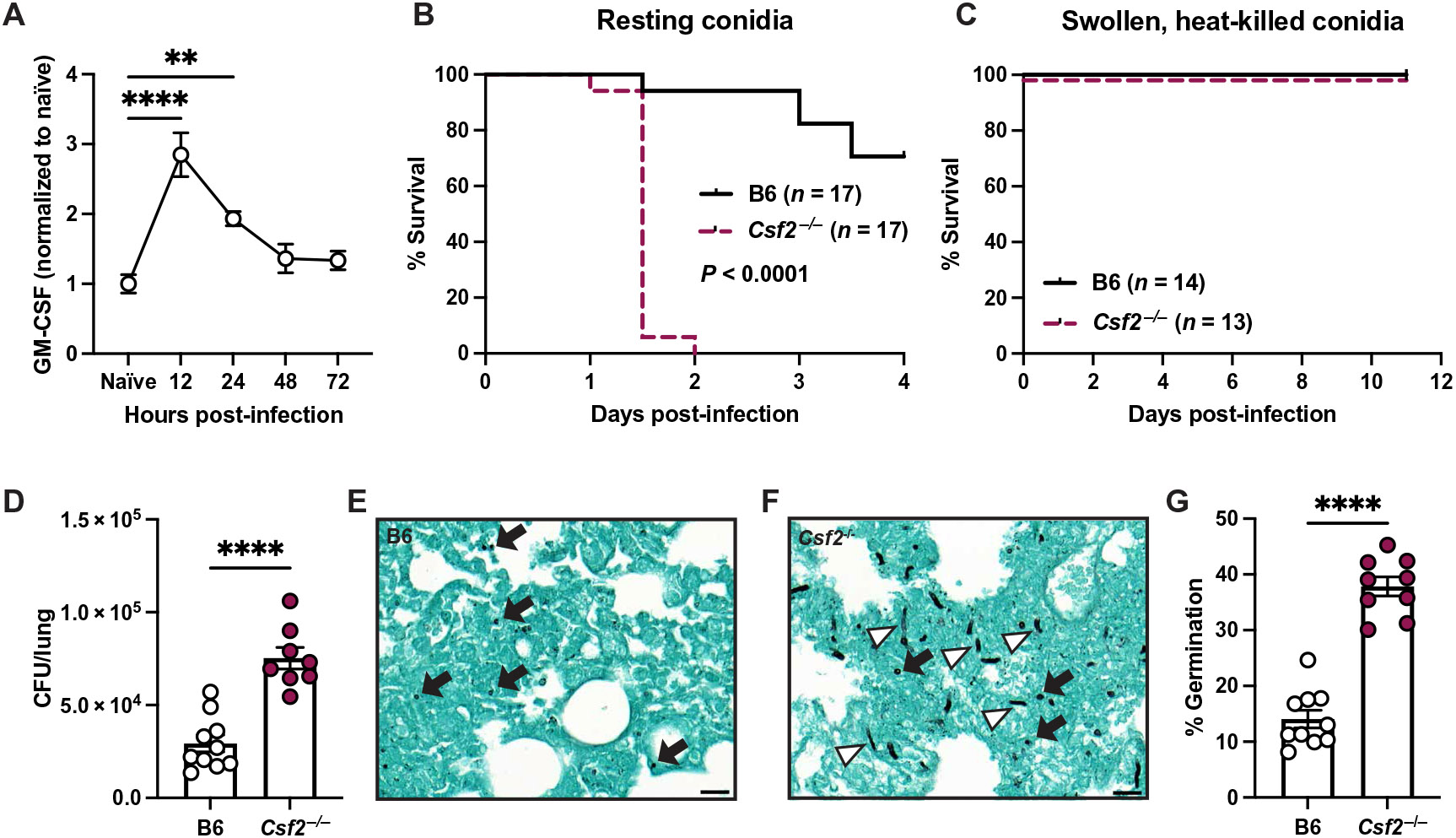
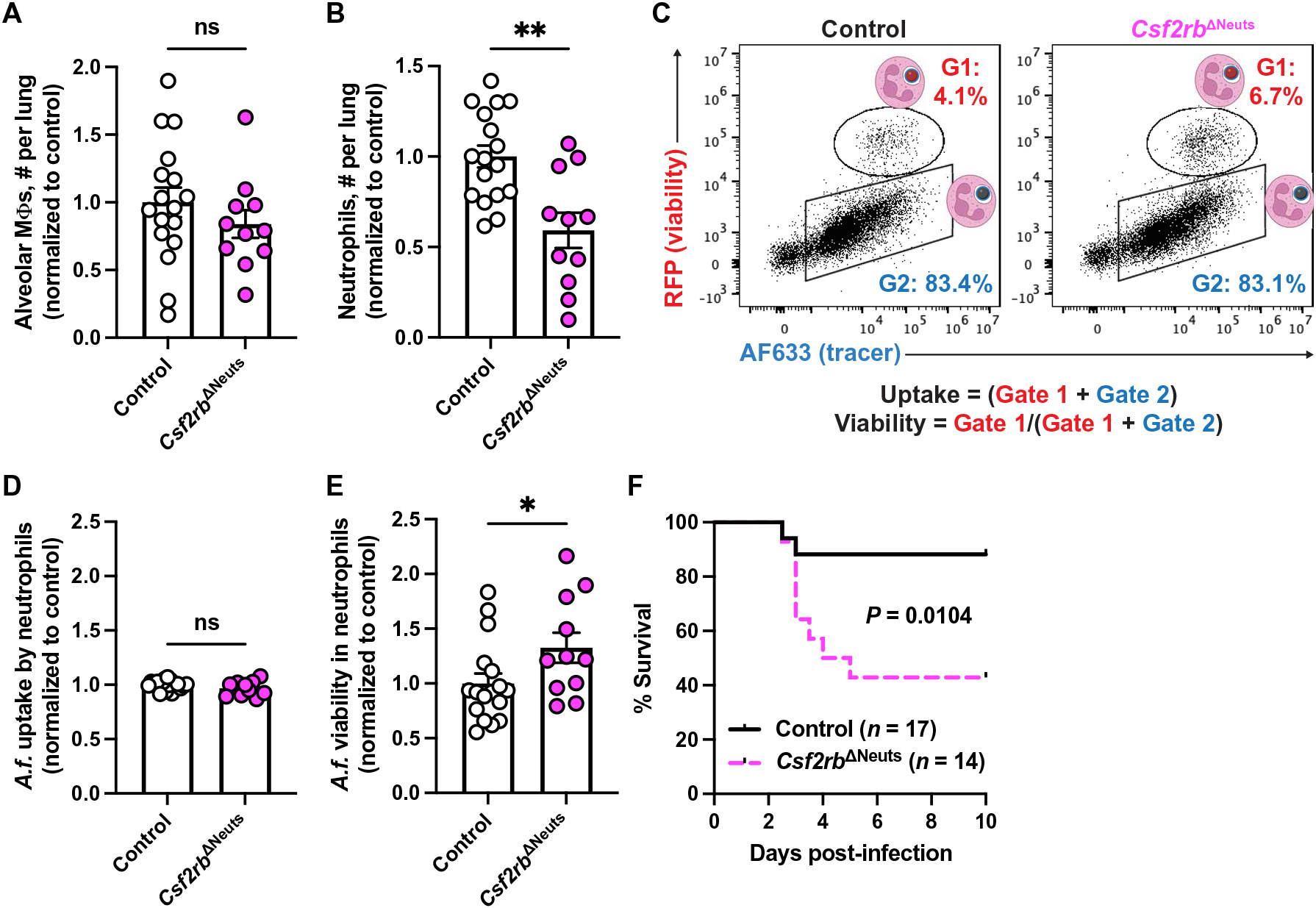
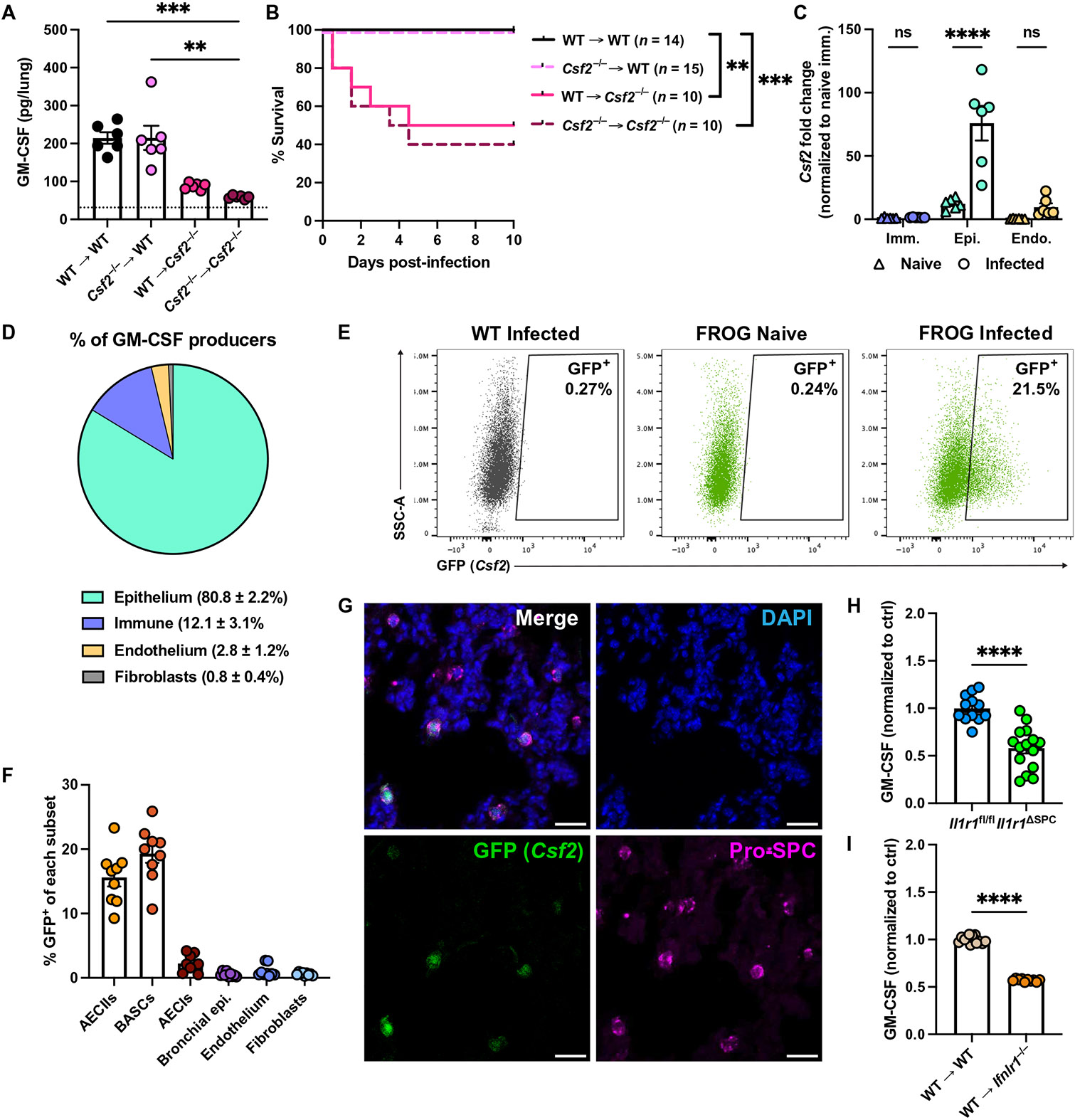
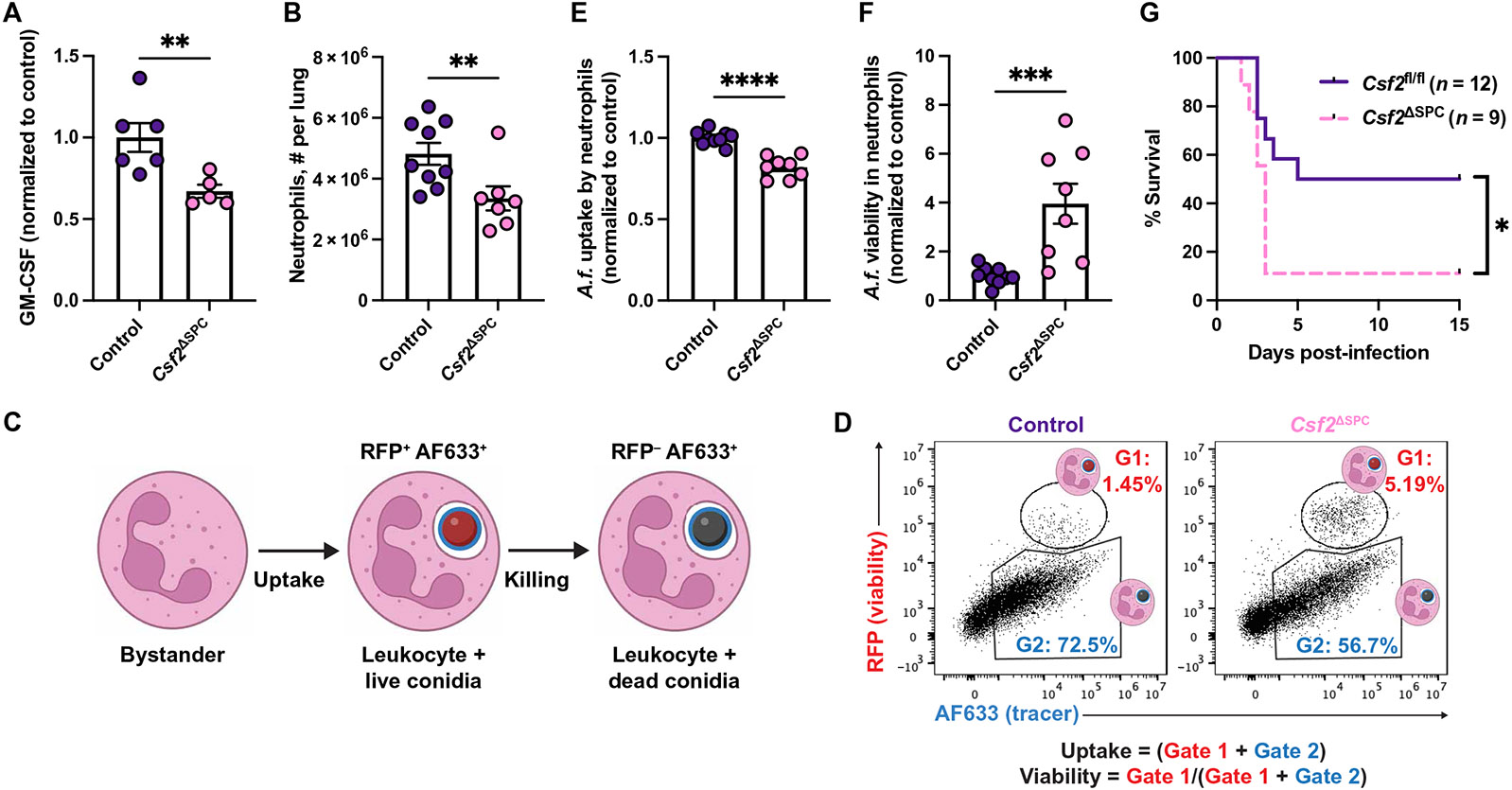
causes life-threatening mold pneumonia in immunocompromised patients, particularly in those with quantitative or qualitative defects in neutrophils. Whereas innate immune cell cross-talk licenses neutrophil antifungal activity in the lung, the role of epithelial cells in this process is unknown. Here, we find that surfactant protein C (SPC)-expressing lung epithelial cells integrate infection-induced interleukin-1 and type III interferon signaling to produce granulocyte-macrophage colony-stimulating factor (GM-CSF) preferentially at local sites of fungal infection and neutrophil influx. Using in vivo models that distinguish the role of GM-CSF during acute infection from its homeostatic function in alveolar macrophage survival and surfactant catabolism, we demonstrate that epithelial-derived GM-CSF increases the accumulation and fungicidal activity of GM-CSF-responsive neutrophils, which is essential for host survival. Our findings establish SPC epithelial cells as a central player in regulating the quality and strength of neutrophil-dependent immunity against inhaled mold pathogens.
在免疫功能低下的患者中引发危及生命的霉菌性肺炎,尤其是在中性粒细胞存在数量或质量缺陷的患者中。虽然先天性免疫细胞间的相互作用赋予了中性粒细胞在肺部的抗真菌活性,但上皮细胞在此过程中的作用尚不清楚。在这里,我们发现表达表面活性蛋白C(SPC)的肺上皮细胞整合感染诱导的白细胞介素-1和III型干扰素信号,优先在真菌感染和中性粒细胞流入的局部部位产生粒细胞-巨噬细胞集落刺激因子(GM-CSF)。利用体内模型区分GM-CSF在急性感染期间的作用与其在肺泡巨噬细胞存活和表面活性剂分解代谢中的稳态功能,我们证明上皮细胞衍生的GM-CSF增加了GM-CSF反应性中性粒细胞的积累和杀菌活性,这对宿主生存至关重要。我们的研究结果确立了SPC上皮细胞在调节针对吸入霉菌病原体的中性粒细胞依赖性免疫的质量和强度方面的核心作用。