Lv Xiangmin, Liu Jiyuan, Ruan Jinpeng, Chen Peichao, He Chunbo, Zhao Xingeng, Huang Cong, Chen Li, Wang Hongbo, Hua Guohua, Shi Davie, Yang Siyi, Moness Madelyn L, Montoute Isabelle, Dhar Anjali, Chen Xingcheng, Kumar Raj, Lu Hu, Sadreyev Ruslan, Yeku Oladapo, Wu Xu, Davis John S, Wang Cheng
Vincent Center for Reproductive Biology, Department of Obstetrics and Gynecology, Massachusetts General Hospital, Harvard Medical School, Boston, MA, USA.
Olson Center for Women's Health, Department of Obstetrics and Gynecology, University of Nebraska Medical Center, Omaha, NE, USA.
Nat Commun. 2025 Mar 24;16(1):2858. doi: 10.1038/s41467-025-57697-7.
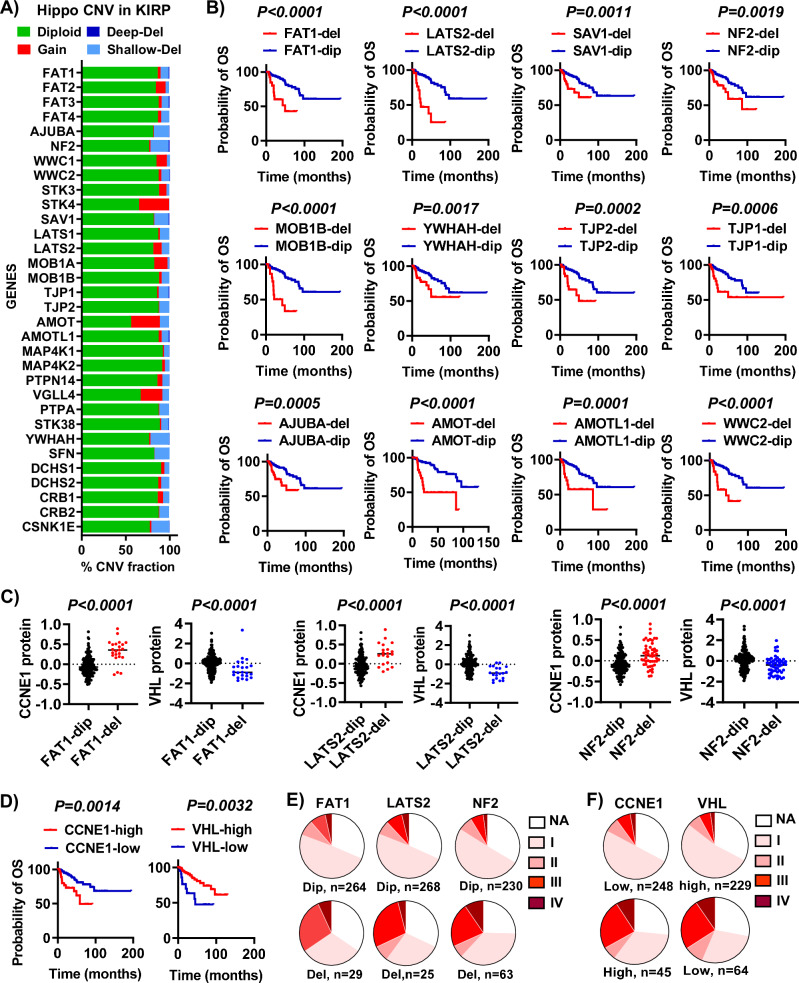
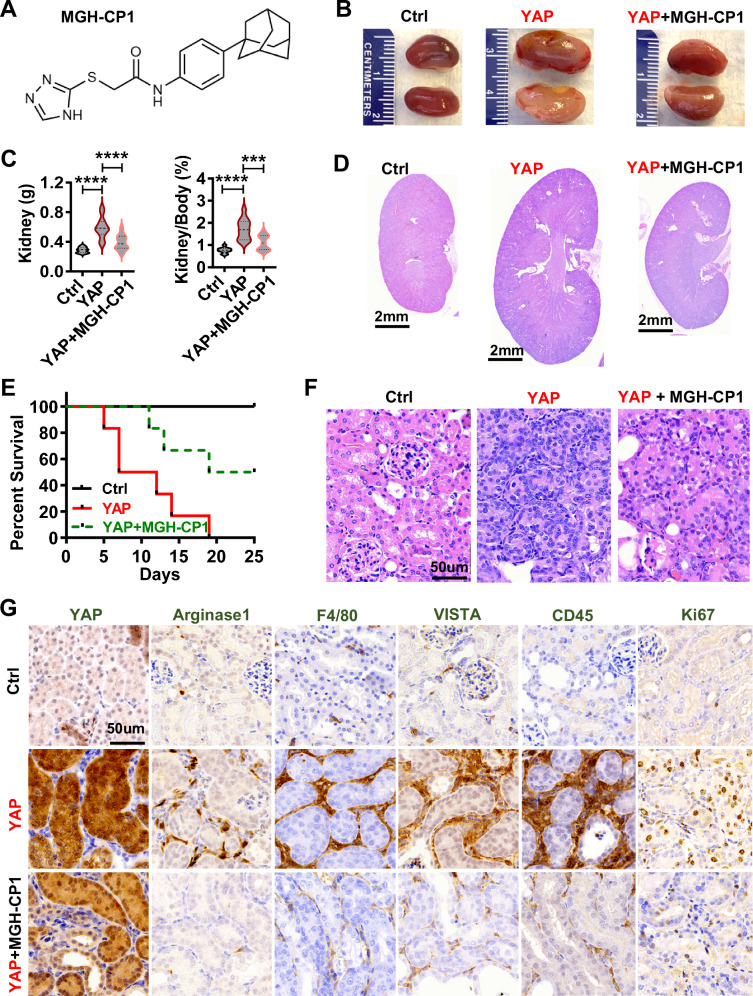
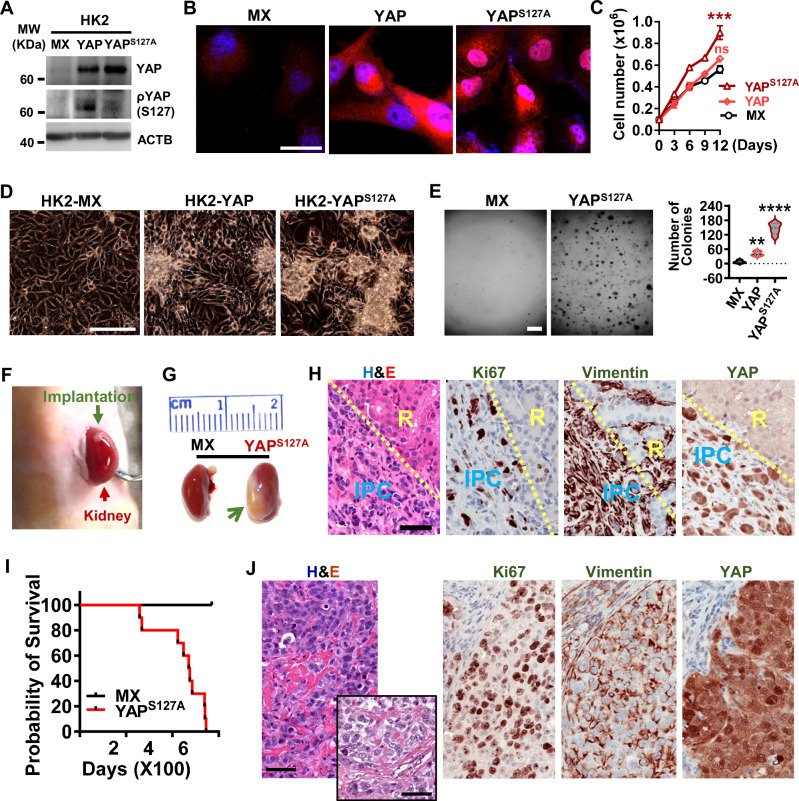
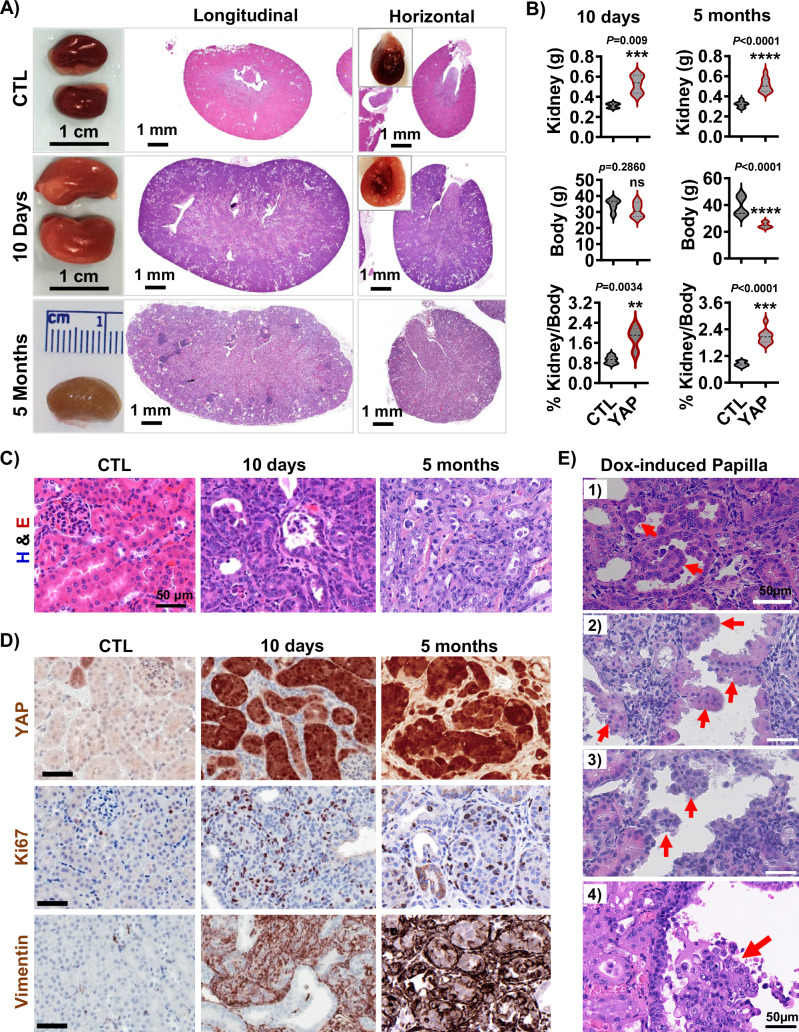
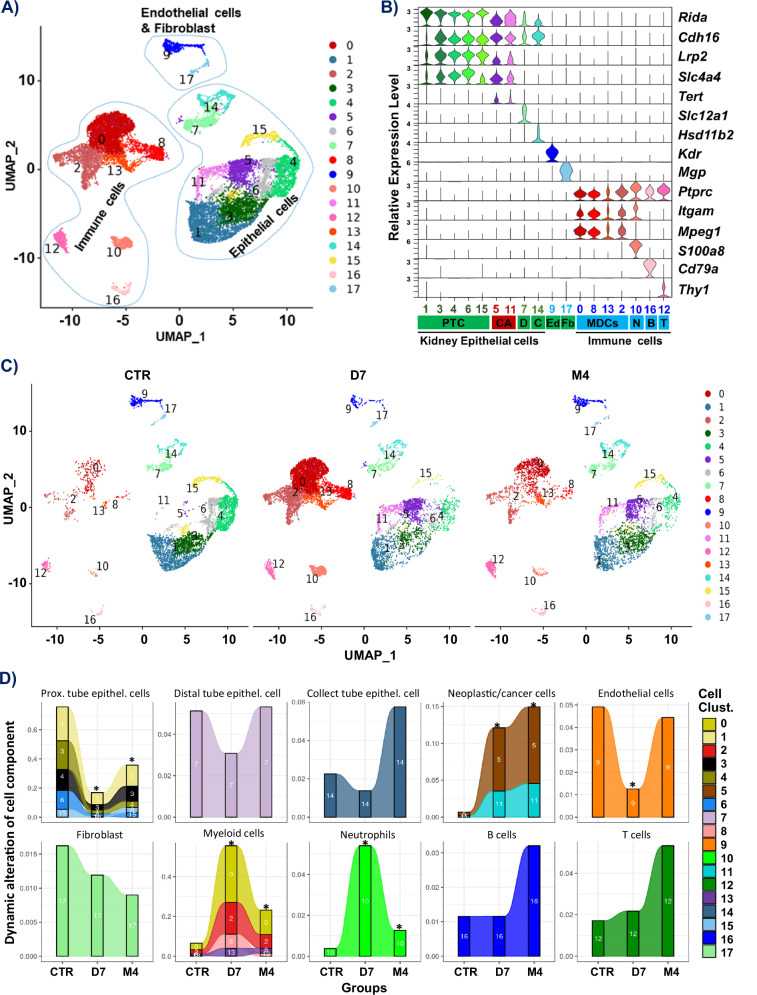
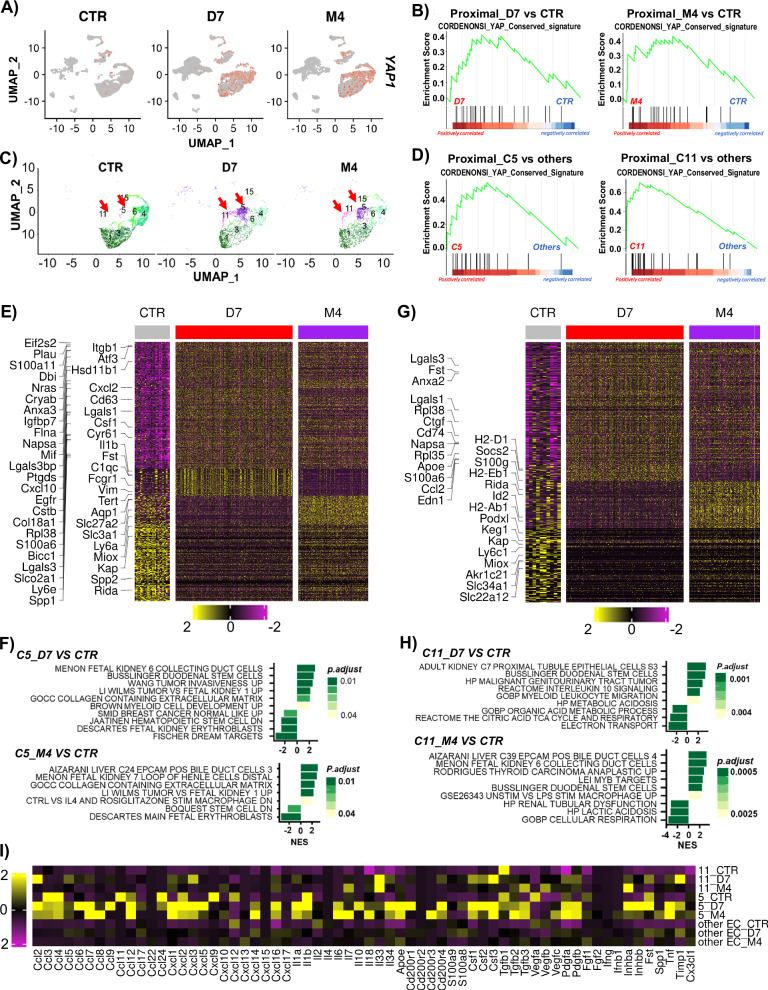
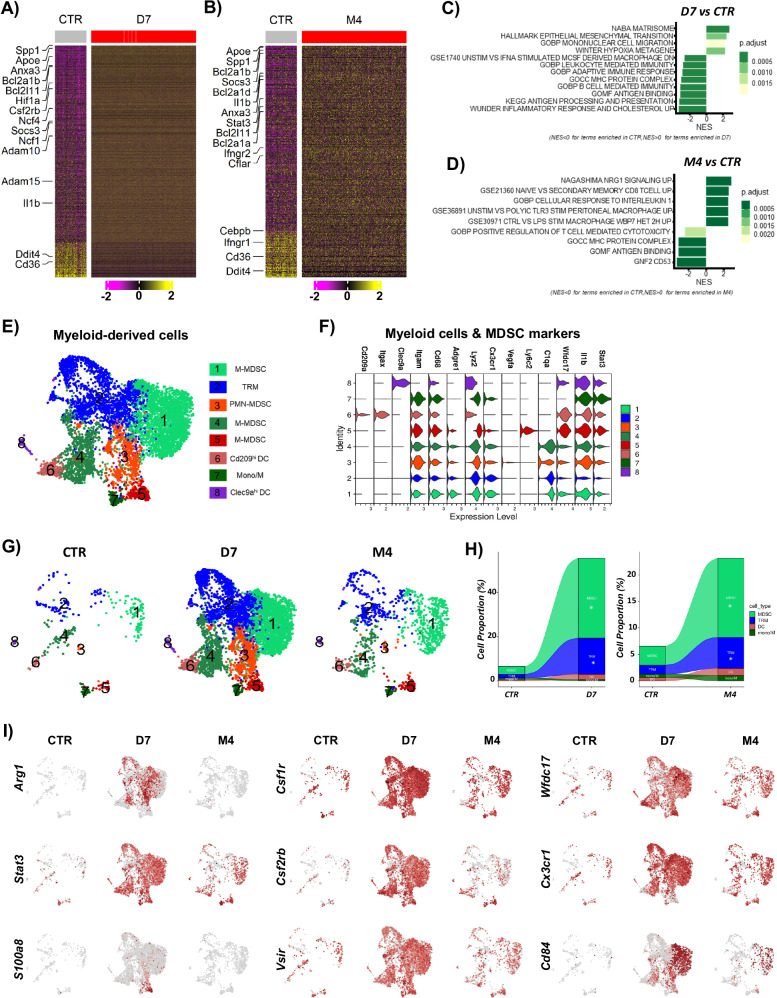
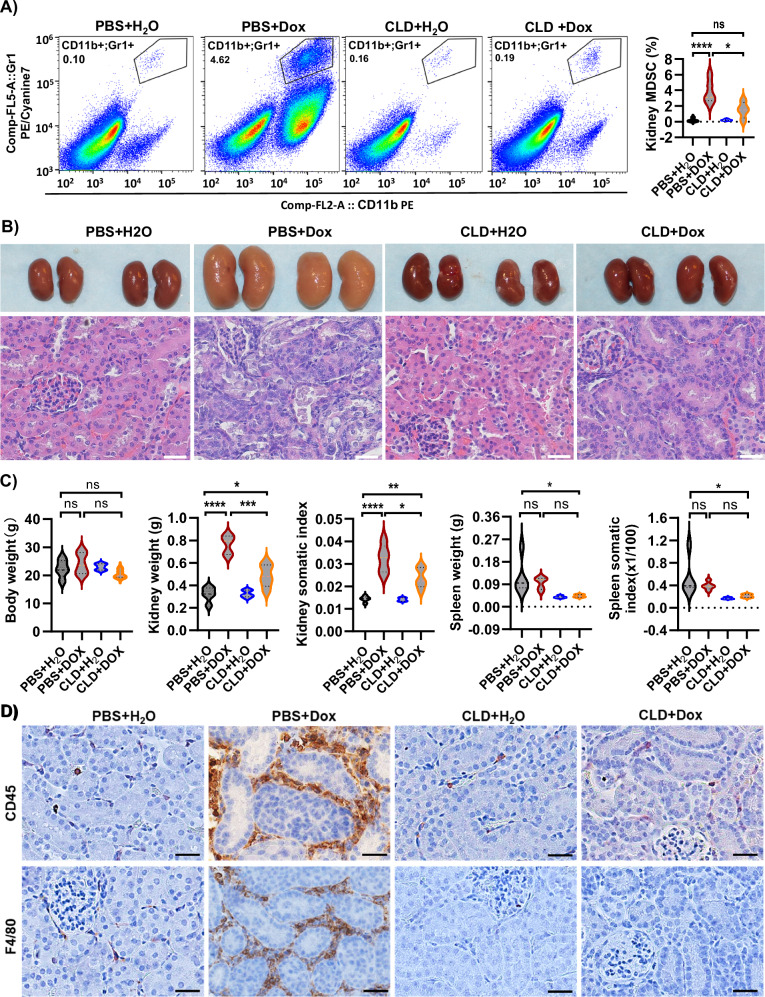
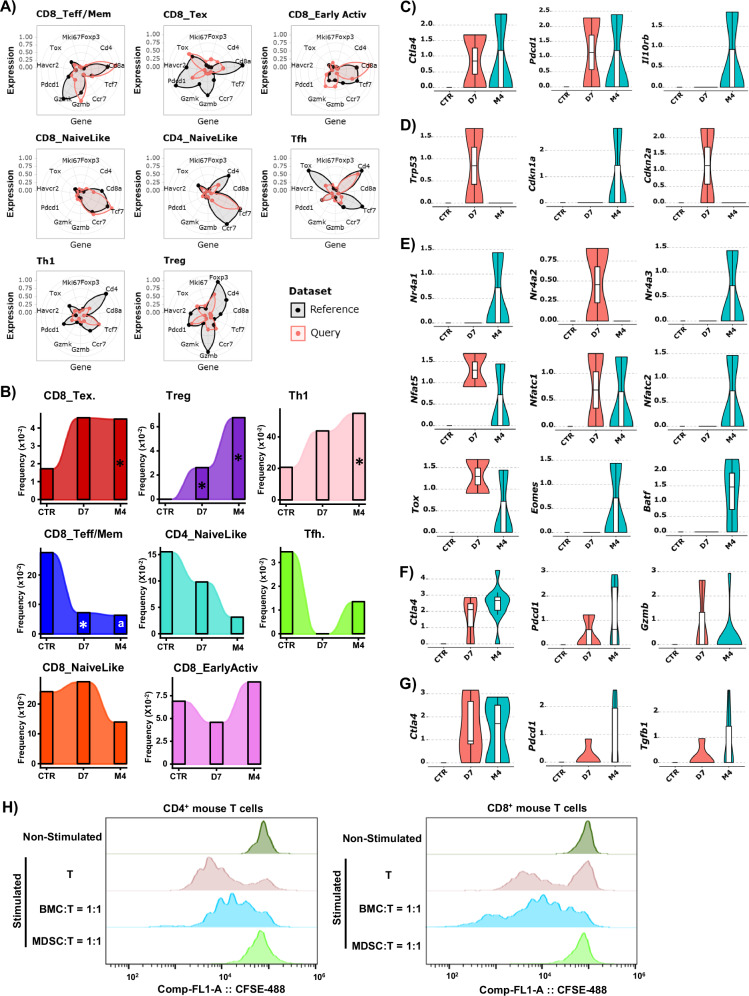
Large-scale cancer genetic/genomic studies demonstrated that papillary renal cell carcinoma (pRCC) is featured with a frequent shallow deletion of the upstream tumor suppressors of the Hippo/YAP signaling pathway, suggesting that this signaling pathway may play a role in pRCC development. Here we develop a transgenic mouse model with a renal epithelial cell-specific hyperactivation of YAP1 and find that hyperactivation of YAP1 can induce dedifferentiation and transformation of renal tubular epithelial cells leading to the development of pRCC. We analyze at the single-cell resolution the cellular landscape alterations during cancer initiation and progression. Our data indicate that the hyperactivated YAP1, via manipulating multiple signaling pathways, induces epithelial cell transformation, MDSC (Myeloid-derived suppressor cells) accumulation, and pRCC development. Interestingly, we find that depletion of MDSC blocks YAP1-induced kidney overgrowth and tumorigenesis. Inhibiting YAP1 activity with MGH-CP1, a recently developed TEAD inhibitor, impedes MDSC accumulation and suppresses tumor development. Our results identify the disrupted Hippo/YAP signaling as a major contributor to pRCC and suggest that targeting the disrupted Hippo pathway represents a plausible strategy to prevent and treat pRCC.
大规模癌症遗传/基因组研究表明,乳头状肾细胞癌(pRCC)的特征是Hippo/YAP信号通路的上游肿瘤抑制因子频繁发生浅缺失,这表明该信号通路可能在pRCC的发展中起作用。在此,我们构建了一种YAP1在肾上皮细胞中特异性过度激活的转基因小鼠模型,发现YAP1的过度激活可诱导肾小管上皮细胞去分化和转化,从而导致pRCC的发生。我们在单细胞分辨率下分析了癌症发生和进展过程中的细胞景观变化。我们的数据表明,过度激活的YAP1通过操纵多种信号通路,诱导上皮细胞转化、髓系来源的抑制细胞(MDSC)积累和pRCC的发生。有趣的是,我们发现去除MDSC可阻止YAP1诱导的肾脏过度生长和肿瘤发生。用最近开发的TEAD抑制剂MGH-CP1抑制YAP1活性,可阻碍MDSC积累并抑制肿瘤发展。我们的结果表明,失调的Hippo/YAP信号是pRCC的主要促成因素,并表明靶向失调的Hippo通路是预防和治疗pRCC的一种可行策略。