Machado Luisa Sousa, Sobrinho Antonio Francisco Marinho, De Jesus Andrielly Gomes, Quaresma Juarez Antônio Simões, Gomes Helierson
Federal University of Northern Tocantins (UFNT), Araguaína 77826-612, TO, Brazil.
UFT Tropical Diseases Hospital (HDT/UFT), Federal University of Northern Tocantins (UFNT), Araguaína 77803-120, TO, Brazil.
Viruses. 2025 Mar 19;17(3):443. doi: 10.3390/v17030443.
Yellow fever (YF) is a viral hemorrhagic fever transmitted by mosquitoes, characterized by a high mortality due to kidney and liver failure, massive coagulation disorders, and hemorrhages. With no specific treatment, prevention through vaccination and vector control is essential. This study investigates the epidemiology of YF in Brazil from 2011 to 2020, focusing on its trends and distribution across the territory.
This ecological time-series study analyzed confirmed YF cases in Brazil's 27 federative units between 2011 and 2020. Data were sourced from DATASUS, IBGE, and IPEA. Incidence rates per 100,000 inhabitants were calculated, and various sociodemographic and health indicators were analyzed. Prais-Winsten autoregressive models assessed the trends, while a spatial analysis identified the risk areas using global and local Moran's I statistics. The data were processed using Stata and GeoDa software, version 1.12.
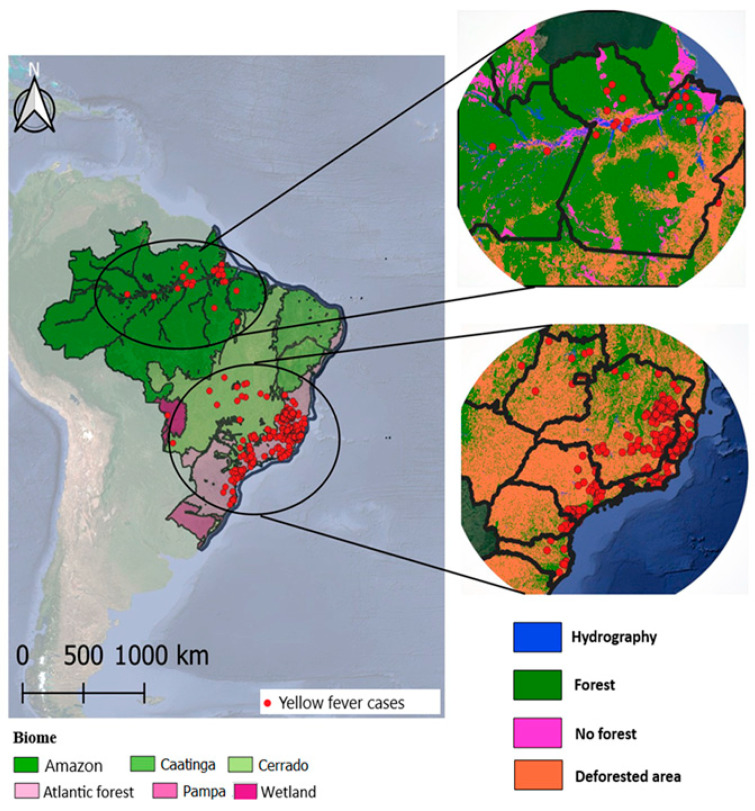
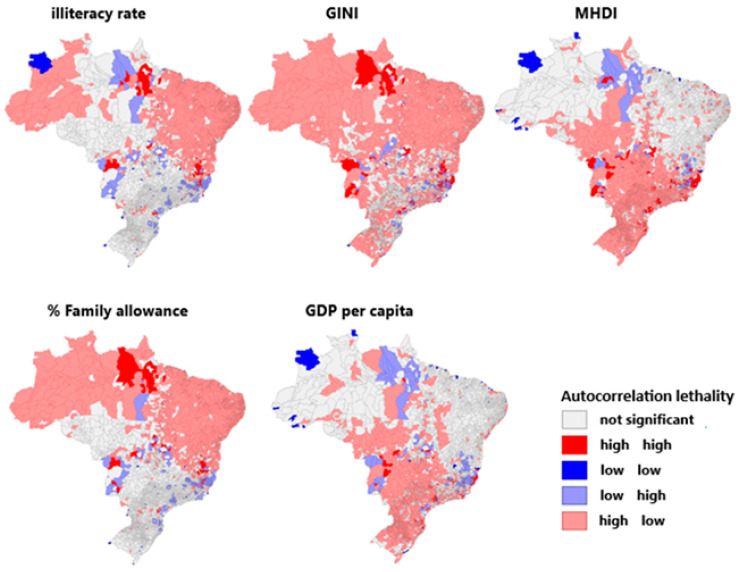
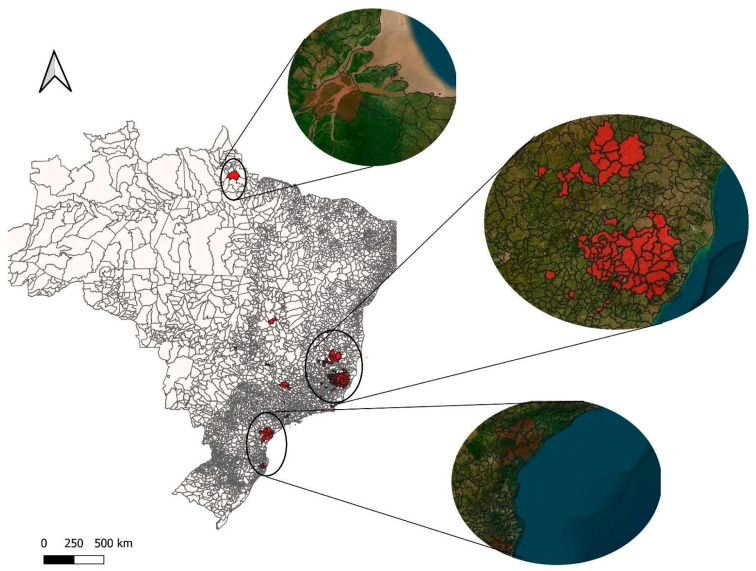
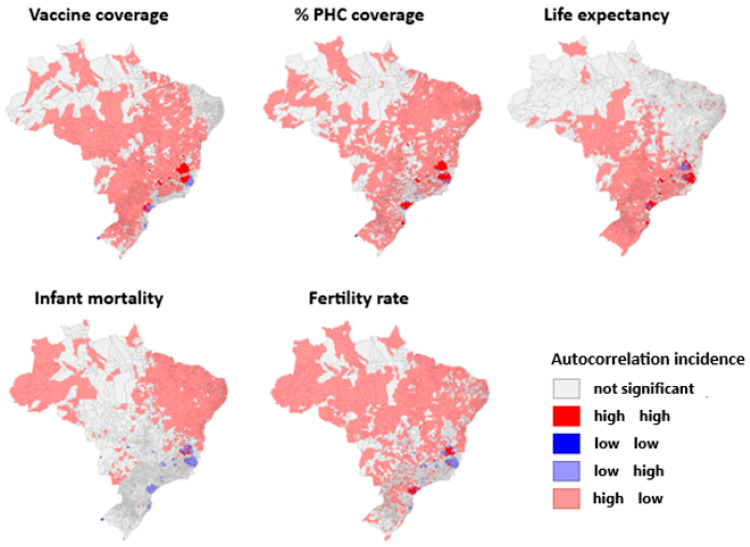
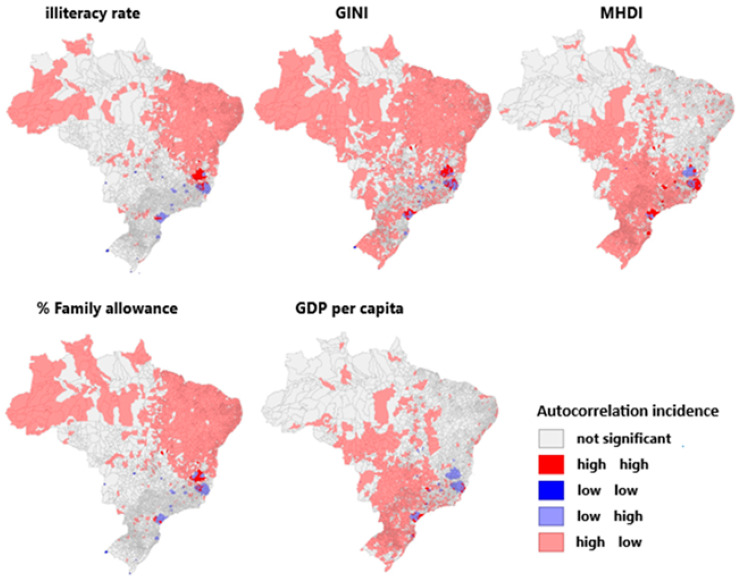
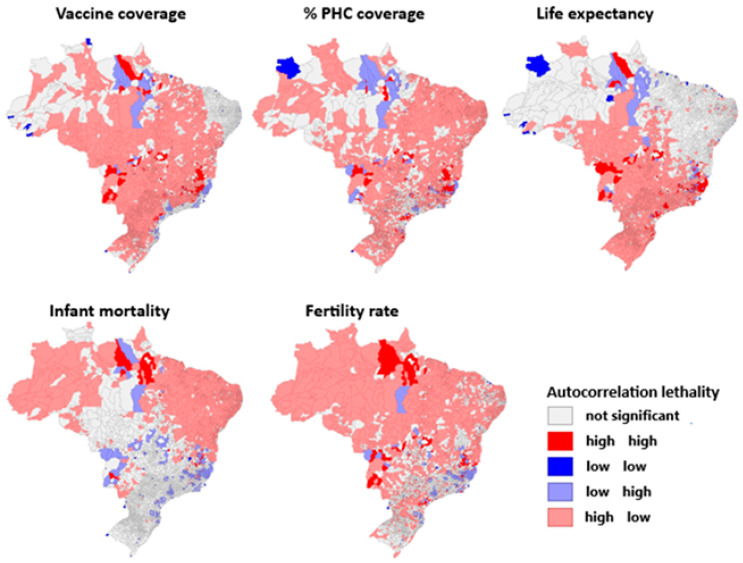
YF cases were concentrated in the Amazon and Atlantic Forest biomes. The majority of the cases occurred in males (83.3%), non-white individuals (94.3%), and rural workers. Pará showed an increasing trend in incidence. A higher vaccination coverage correlated with a lower YF incidence, though endemic areas with good vaccination coverage still exhibited high rates. Health and socioeconomic indicators were inversely related to incidence, highlighting disparities in regional development.
Effective YF control requires multidisciplinary strategies, including expanded vaccination coverage, intensified vector control, and active surveillance. Research should focus on developing better vaccines, monitoring immunity, and improving the global response coordination.
黄热病(YF)是一种由蚊子传播的病毒性出血热,其特征是因肾衰竭、肝衰竭、严重凝血障碍和出血导致的高死亡率。由于没有特效治疗方法,通过疫苗接种和病媒控制进行预防至关重要。本研究调查了2011年至2020年巴西黄热病的流行病学情况,重点关注其在全国范围内的趋势和分布。
这项生态时间序列研究分析了2011年至2020年巴西27个联邦单位确诊的黄热病病例。数据来源为巴西卫生部信息系统(DATASUS)、巴西地理统计局(IBGE)和巴西应用经济研究所(IPEA)。计算了每10万居民的发病率,并分析了各种社会人口和健康指标。采用普雷斯-温斯坦自回归模型评估趋势,同时使用全局和局部莫兰指数统计进行空间分析以确定风险区域。数据使用Stata和GeoDa软件(版本1.12)进行处理。
黄热病病例集中在亚马逊和大西洋森林生物群落。大多数病例发生在男性(83.3%)、非白人个体(94.3%)和农村工人中。帕拉州的发病率呈上升趋势。较高的疫苗接种覆盖率与较低的黄热病发病率相关,不过疫苗接种覆盖率良好的流行地区仍呈现高发病率。健康和社会经济指标与发病率呈负相关,凸显了区域发展的差异。
有效的黄热病控制需要多学科策略,包括扩大疫苗接种覆盖率、加强病媒控制和积极监测。研究应侧重于研发更好的疫苗、监测免疫力以及改善全球应对协调。