Luo Mei, Xie Peiwei, Deng Xuehong, Fan Jiahui, Xiong Lishou
Department of Gastroenterology and Hepatology, The First Affiliated Hospital of Sun Yat-Sen University, Guangzhou, China.
J Gastroenterol Hepatol. 2025 Jun;40(6):1561-1573. doi: 10.1111/jgh.16960. Epub 2025 Apr 4.
Gut microbiota plays a crucial role in the pathogenesis and treatment of functional constipation (FC). The aim of this study was to explore the therapeutic effects of Bifidobacterium Lactobacillus triple viable on slow transit constipation (STC).
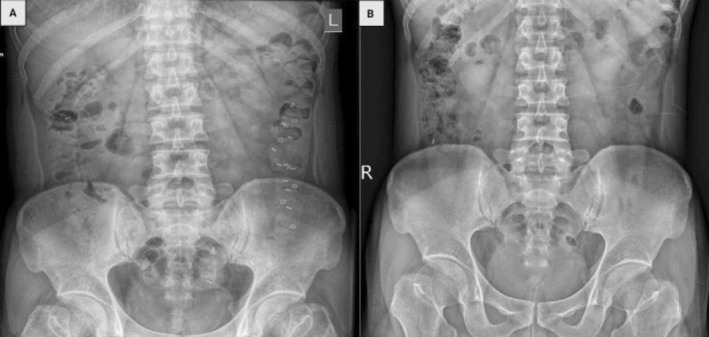
Patients with STC who met the Rome IV criteria received Bifidobacterium Lactobacillus triple viable. Gastrointestinal transit time (GITT) and constipation-related symptoms were assessed before and after receiving Bifidobacterium Lactobacillus triple viable. Additionally, a rat STC model was induced by loperamide and was treated with Bifidobacterium Lactobacillus triple viable to evaluate whether Bifidobacterium Lactobacillus triple viable could improve constipation in the rats and to explore the possible mechanisms involved.
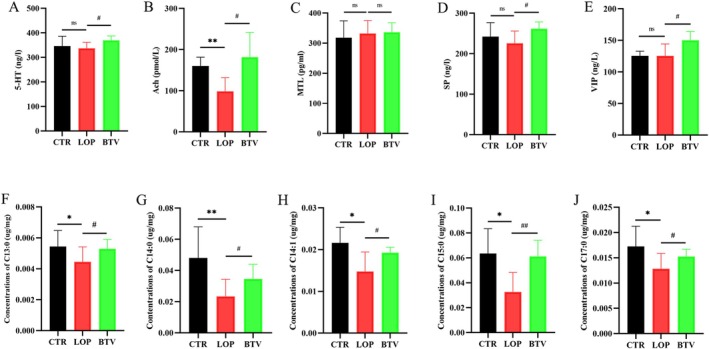
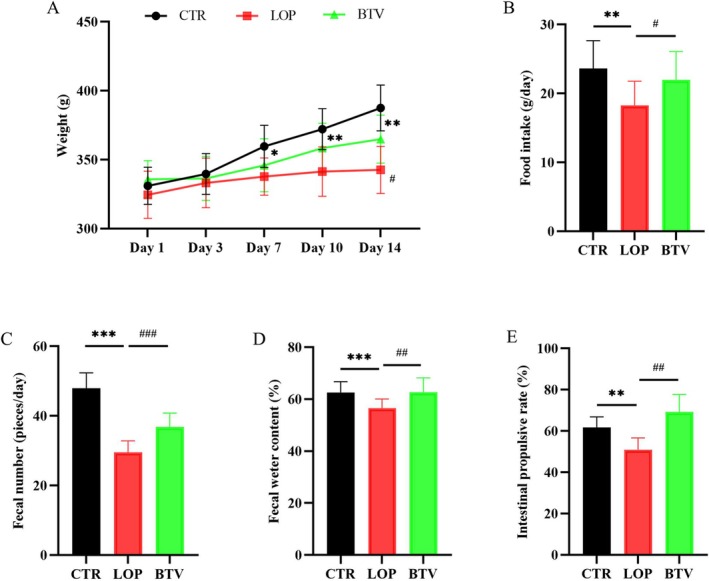
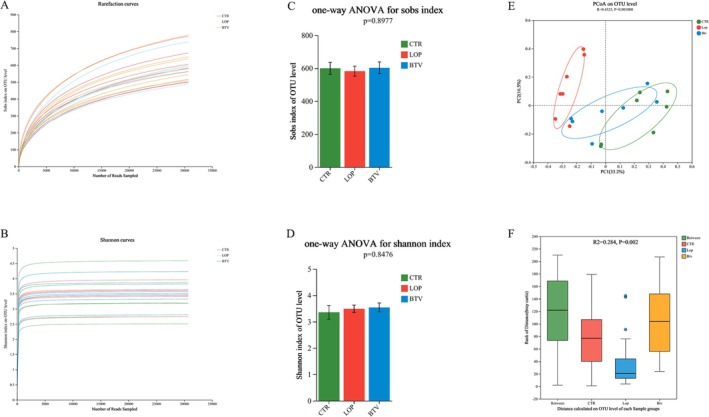
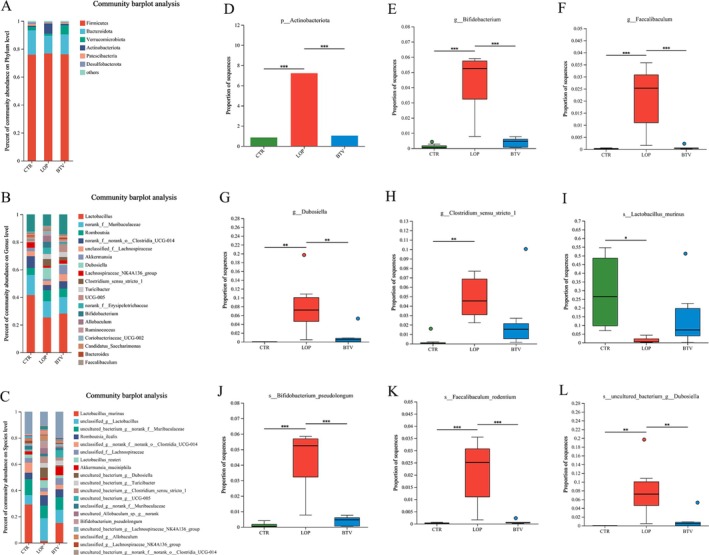
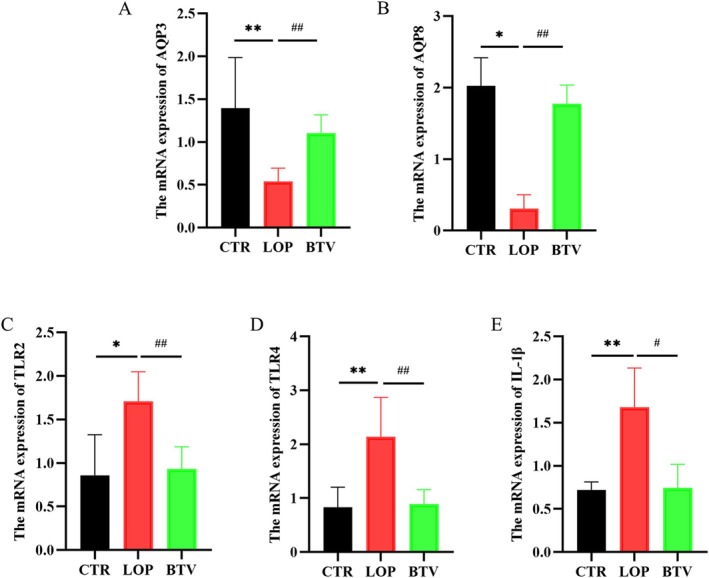
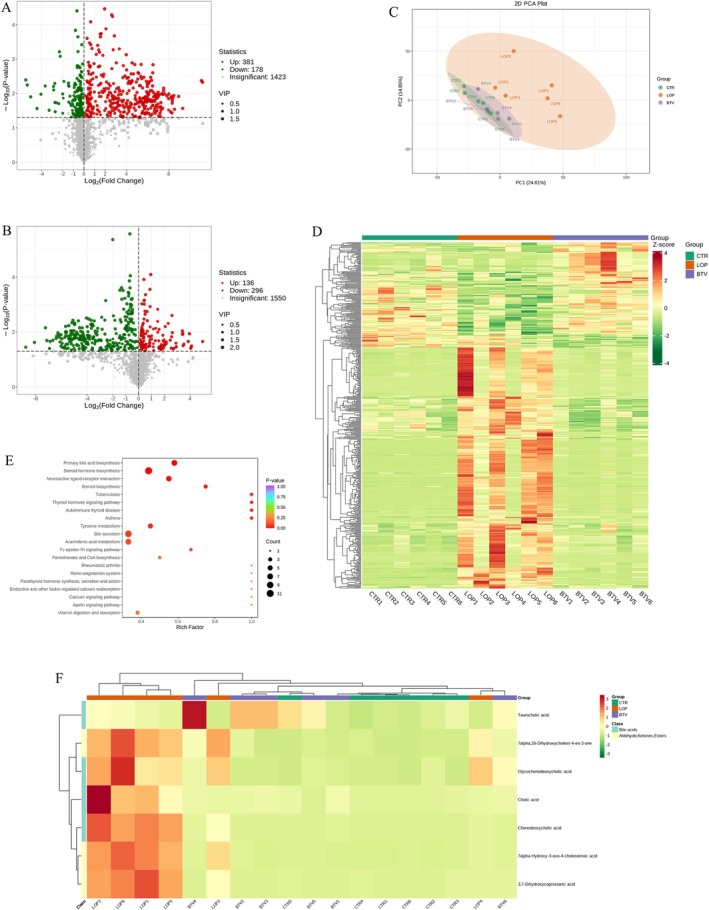
In patients with STC, Bifidobacterium Lactobacillus triple viable accelerated GITT and improved constipation-related symptoms, including bowel movement frequency, hard bowel movement, incomplete defecation, defecation time, purgative measures, and stool form. In addition, Bifidobacterium Lactobacillus triple viable improved body weight, food intake, bowel movement, the fecal water content, and the intestinal propulsion rate in STC rats. It regulates the gut microbiota structure in rats; increases serum acetylcholine (Ach), 5-hydroxytryptamine (5-HT), substance P (SP), and vasoactive intestinal peptide (VIP); increases fecal long-chain fatty acids (LCFAs); upregulates the mRNA expression of aquaporin 3 (AQP3) and aquaporin 3 (AQP8); and downregulates the mRNA expression of Toll-like receptor 2 (TLR2), Toll-like receptor 4 (TLR4), and interleukin-1β (IL-1β).
Bifidobacterium Lactobacillus triple viable ameliorated the GITT and constipation-related symptoms of patients with STC and improved the STC in rats by regulating the gut microbiota and metabolism.
肠道微生物群在功能性便秘(FC)的发病机制和治疗中起着关键作用。本研究旨在探讨双歧杆菌三联活菌对慢传输型便秘(STC)的治疗效果。
符合罗马IV标准的STC患者接受双歧杆菌三联活菌治疗。在接受双歧杆菌三联活菌治疗前后评估胃肠传输时间(GITT)和便秘相关症状。此外,用洛哌丁胺诱导大鼠STC模型,并用双歧杆菌三联活菌治疗,以评估双歧杆菌三联活菌是否能改善大鼠便秘,并探讨其可能的作用机制。
在STC患者中,双歧杆菌三联活菌加快了GITT并改善了便秘相关症状,包括排便频率、排便困难、排便不尽、排便时间、泻药使用情况和粪便形态。此外,双歧杆菌三联活菌改善了STC大鼠的体重、食物摄入量、排便情况、粪便含水量和肠道推进率。它调节大鼠肠道微生物群结构;增加血清乙酰胆碱(Ach)、5-羟色胺(5-HT)、P物质(SP)和血管活性肠肽(VIP);增加粪便长链脂肪酸(LCFA);上调水通道蛋白3(AQP3)和水通道蛋白8(AQP8)的mRNA表达;下调Toll样受体2(TLR2)、Toll样受体4(TLR4)和白细胞介素-1β(IL-1β)的mRNA表达。
双歧杆菌三联活菌改善了STC患者的GITT和便秘相关症状,并通过调节肠道微生物群和代谢改善了大鼠的STC。