Altobaishat Obieda, Gadelmawla Ahmed Farid, Almohtasib Suliman, Suilik Husam Abu, Manasrah AlMothana, Abouzid Mohamed, Turkmani Mustafa, Abuelazm Mohamed
Faculty of Medicine, Jordan University of Science and Technology, Irbid, Jordan.
Faculty of Medicine, Menoufia University, Menoufia, Egypt.
Endocrinol Diabetes Metab. 2025 May;8(3):e70048. doi: 10.1002/edm2.70048.
Type 1 diabetes mellitus (T1DM) represents a considerable global health burden, affecting approximately 5%-10% of individuals with diabetes. Once-weekly basal insulin could substantially reduce the number of injections for T1DM patients from 365 daily to 52 weekly doses annually. Therefore, this meta-analysis compares the safety and efficacy of once-weekly insulin formulations.
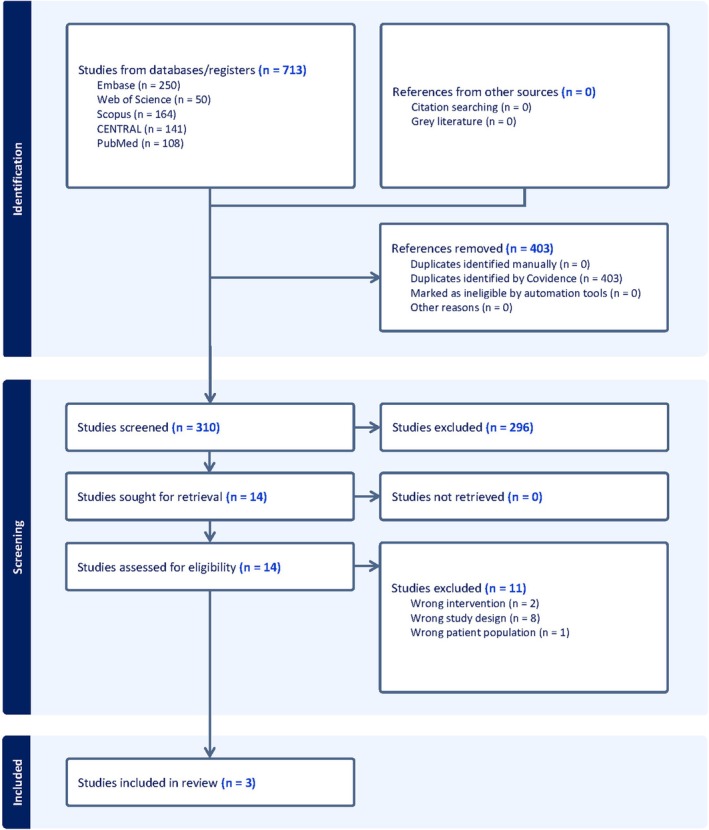
The systematic review and meta-analysis included the relevant randomised controlled trials (RCTs) retrieved from PubMed, EMBASE, Web of Science, Cochrane, and SCOPUS databases until September 2024. The meta-analysis was performed using (RevMan 5.4.1). The study protocol was registered on PROSPERO (CRD42024603022).
Three RCTs comprising 1724 participants were included. Once-daily insulin significantly decreased glycated haemoglobin (HbA1c) compared to once-weekly insulin (estimated treatment difference: 0.09%, 95% CI [0.07, 0.11], p < 0.00001). Fasting blood glucose levels were comparable between the once-weekly and once-daily insulin groups (estimated treatment difference: 0.44 mg/dL, 95% CI [-0.64, 1.52], p = 0.42). Once-weekly insulin was associated with a significant increase in the incidence of injection site reactions (RR: 3.48 with 95% CI [1.30, 9.31], p = 0.01), serious adverse events (RR: 1.55 with 95% CI [1.09, 2.19], p = 0.01), and treatment-emergent adverse events (RR: 1.12 with 95% CI [1.02, 1.23], p = 0.02), while no significant difference was observed in hypersensitivity reactions (RR: 1.04 with 95% CI [0.78, 1.38], p = 0.79).
Once-daily insulin has demonstrated slightly superior HbA1c reduction, while once-weekly insulin offers potential advantages in patient adherence. However, these benefits must be weighed against an increased risk of injection site reactions and nocturnal hypoglycemia. Although once-weekly insulin is more convenient, treatment decisions should consider individual patient factors such as hypoglycemia risk and tolerance to injection reactions.
1型糖尿病(T1DM)是一项重大的全球健康负担,影响着约5%-10%的糖尿病患者。每周一次的基础胰岛素可将T1DM患者每年的注射次数从每日365次大幅减少至每周52次。因此,本荟萃分析比较了每周一次胰岛素制剂的安全性和有效性。
系统评价和荟萃分析纳入了从PubMed、EMBASE、科学网、Cochrane和SCOPUS数据库检索到的截至2024年9月的相关随机对照试验(RCT)。使用(RevMan 5.4.1)进行荟萃分析。研究方案已在PROSPERO(CRD42024603022)上注册。
纳入了三项包含1724名参与者的RCT。与每周一次胰岛素相比,每日一次胰岛素显著降低糖化血红蛋白(HbA1c)(估计治疗差异:0.09%,95%CI[0.07,0.11],p<0.00001)。每周一次和每日一次胰岛素组之间的空腹血糖水平相当(估计治疗差异:0.44mg/dL,95%CI[-0.64,1.52],p=0.42)。每周一次胰岛素与注射部位反应发生率显著增加相关(RR:3.48,95%CI[1.30,9.31],p=0.01)、严重不良事件(RR:1.55,95%CI[1.09,2.19],p=0.01)和治疗中出现的不良事件(RR:1.12,95%CI[1.02,1.23],p=0.02),而过敏反应无显著差异(RR:1.04,95%CI[0.78,1.38],p=0.79)。
每日一次胰岛素在降低HbA1c方面表现出略优的效果,而每周一次胰岛素在患者依从性方面具有潜在优势。然而,这些益处必须与注射部位反应和夜间低血糖风险增加相权衡。虽然每周一次胰岛素更方便,但治疗决策应考虑个体患者因素,如低血糖风险和对注射反应的耐受性。