Veldman Carlijn, Van Gijssel Erik A, Van Rooij Annelot H, Buitenhuis Lonneke, Van Den Berg Jan Willem K, Blanker Marco H
Department of Pulmonary Medicine, Isala Hospital, Zwolle, The Netherlands.
Department of Pulmonary Medicine, University Medical Centre Groningen, Groningen, The Netherlands.
NPJ Prim Care Respir Med. 2025 Apr 6;35(1):21. doi: 10.1038/s41533-025-00426-w.
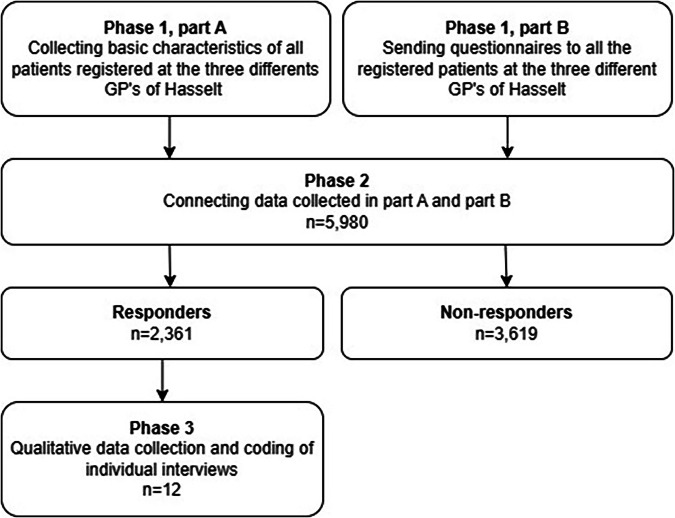
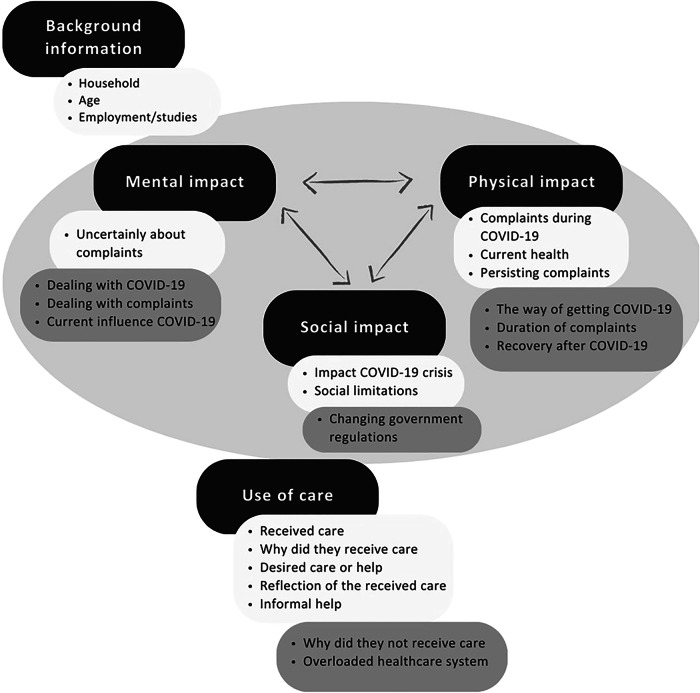
We investigated healthcare avoidance during the first COVID-19 wave in a Dutch region with high infection rates. A mixed-method, multiphase study used (1) primary care electronic health records to identify patients, (2) questionnaires to capture patients with unreported COVID-19 symptoms, and (3) interviews om care avoidance. Additionally, a natural language model estimated COVID-19 incidence from routine care data. Of 2361 respondents (39% response rate), 535 (23%) reported COVID-19 symptoms; 180 sought help, mainly from GPs. Care-seeking rates did not differ significantly between those with or without relatives who experienced severe illness or death before their own illness (p = 0.270). Interviews showed the main barriers were feeling not ill enough and concerns about an overstressed healthcare system, especially GPs. Only a third of participants with symptoms sought help, mostly from GPs. Serious illness or death of loved ones had no significant impact. Findings highlight the need for clear communication and accessible healthcare, including telemedicine, for future pandemics.
我们在荷兰一个感染率高的地区调查了新冠疫情第一波期间的医疗回避情况。一项混合方法的多阶段研究采用了:(1)初级保健电子健康记录来识别患者;(2)问卷调查以捕捉有未报告新冠症状的患者;(3)访谈以了解医疗回避情况。此外,一个自然语言模型从常规护理数据中估计新冠发病率。在2361名受访者中(回复率39%),535人(23%)报告有新冠症状;180人寻求帮助,主要是向全科医生求助。在自己患病前有亲属经历过严重疾病或死亡的人与没有此类亲属的人之间,寻求医疗帮助的比例没有显著差异(p = 0.270)。访谈显示,主要障碍是感觉病情不够严重以及担心医疗系统,尤其是全科医生不堪重负。只有三分之一有症状的参与者寻求了帮助,大多是向全科医生求助。亲人的重病或死亡没有显著影响。研究结果凸显了在未来大流行期间进行清晰沟通以及提供包括远程医疗在内的可及医疗服务的必要性。