Feurle G E, Carraway R E, Rix E, Knauf W
J Clin Invest. 1985 Jul;76(1):156-62. doi: 10.1172/JCI111940.
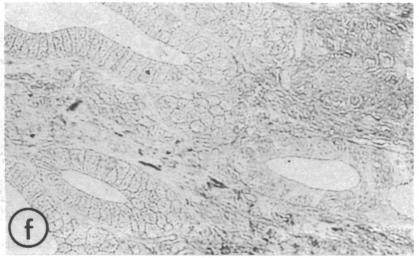
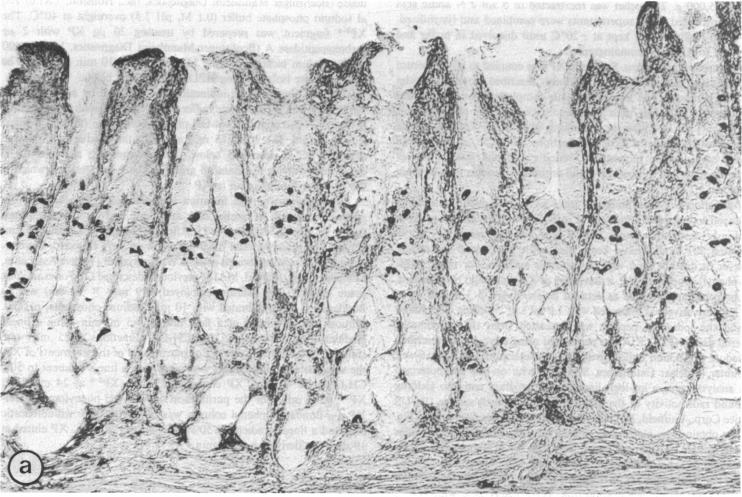
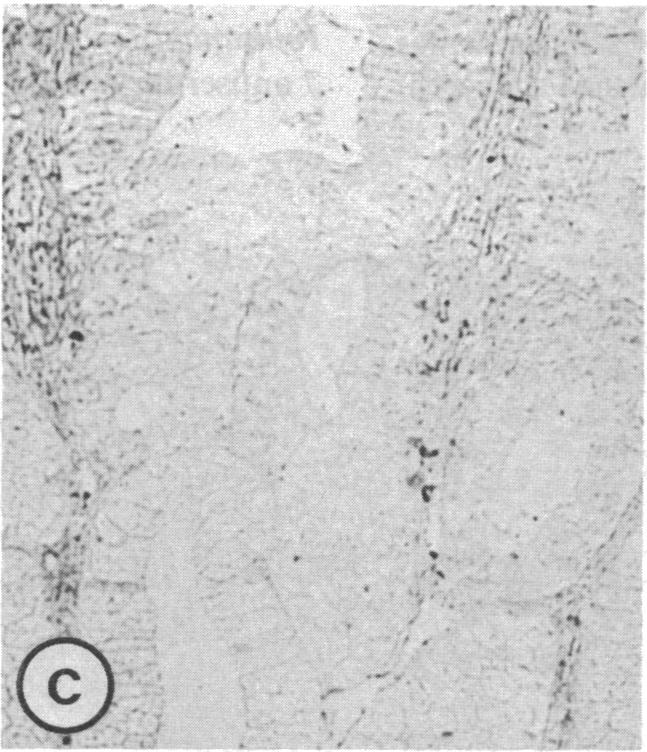
Using immunohistochemistry and radioimmunoassay, substance(s) related to the amphibian octapeptide xenopsin (XP) were demonstrated in the gastric mucosa of humans and dogs. Immunohistochemistry localized XP-immunoreactive epithelial cells in the gastric antral mucosa. The reaction was abolished by preabsorption of the antiserum with XP but not by neurotensin or other peptides. Immunoreactive XP (iXP) was found by radioimmunoassay in extracts of both the antrum and body of the stomach prepared with acid/acetone or acetic acid. A study of its distribution in the dog indicated that the level of iXP was highest in the stomach, lower in the pancreas and duodenum, and not measurable in the jejunoileum and colon. Gel chromatography on Sephadex G-25 indicated the presence of at least two forms of iXP, one larger and the other about the same size as XP. Reverse-phase high pressure liquid chromatography on mu-Bondapak C-18 yielded several peaks of iXP, one of which eluted at the position of synthetic XP. The results of immunochemical analyses using four different antisera towards XP were consistent with structures for canine iXPs that were closely related to XP only in their C-terminal regions. These results suggest that mammalian counterparts to amphibian XP reside within endocrine cells of the gastric mucosa. It seems possible that these peptides function as gastrointestinal signals.