Chen Hailin, Xie Yulian, Xia Fei, Wei Wengong, Zhang Ru, Liu Chenwu, Shi Yinong, Xu Qi
Department of Reproductive Medicine Center, The First Affiliated Hospital of Soochow University, 899 Pinghai Road, Suzhou, 215000, Jiangsu, China.
Department of Gynecology, Qingpu Branch, Zhongshan Hospital, Fudan University, 1158 Park East Road, Qingpu District, Shanghai, 201700, China.
Sci Rep. 2025 Apr 8;15(1):12044. doi: 10.1038/s41598-025-96405-9.
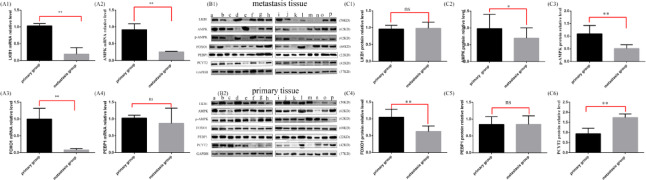
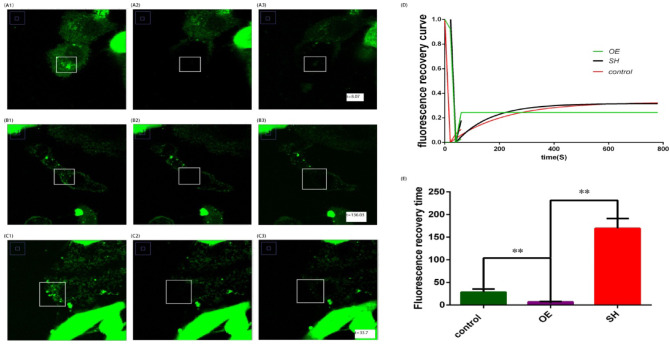
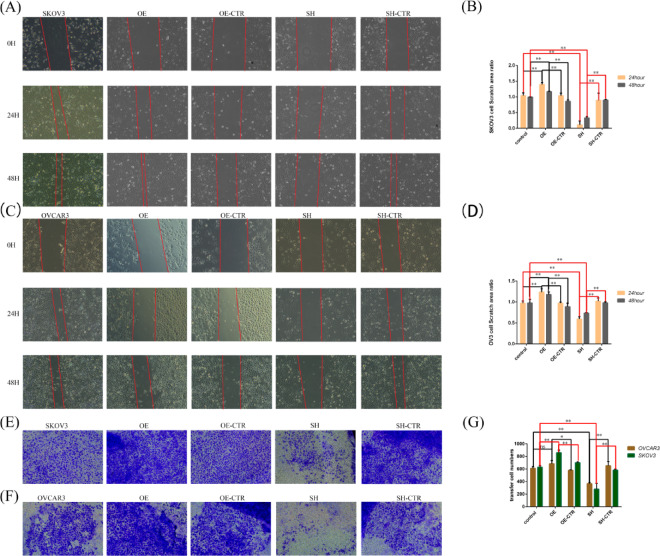
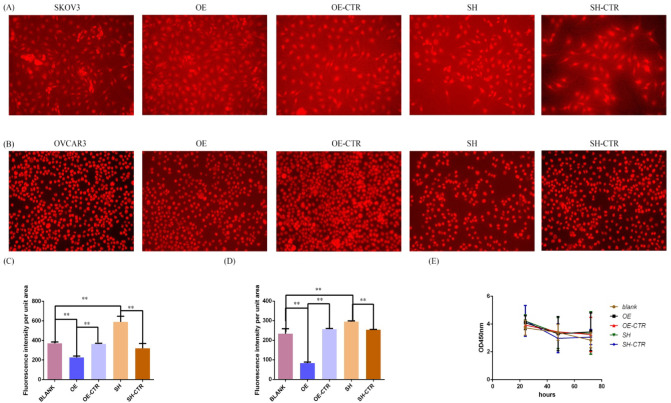
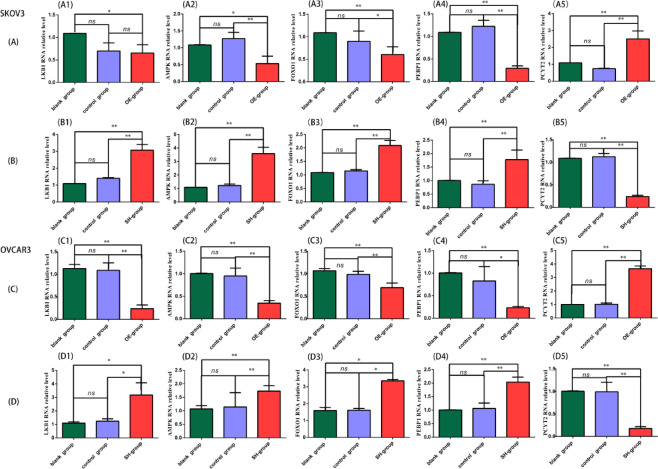
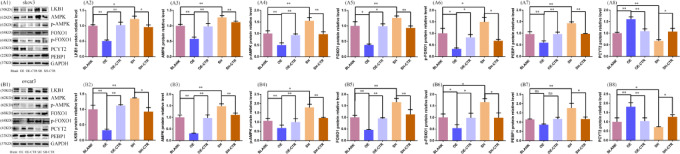
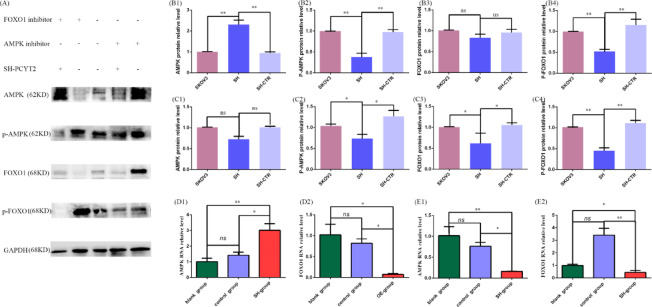
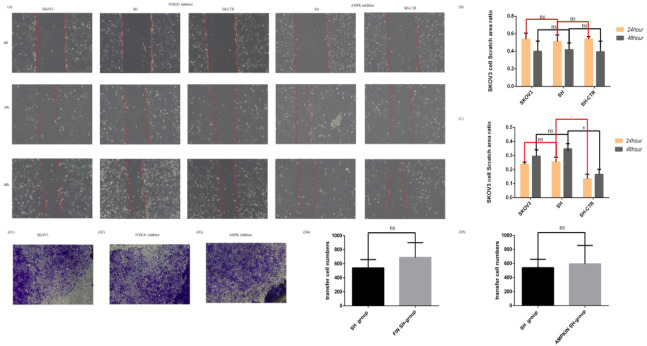
This study investigates the role of phosphatidylethanolamine cytidylyltransferase 2 (PCYT2) in ovarian epithelial cancer, specifically examining its effects on cell migration and membrane fluidity. To achieve this, we will examine how the AMPK and FOXO1 pathways regulate these processes. Our analysis revealed a significant upregulation of PCYT2 expression in metastatic ovarian cancer tissues compared to primary cancer sites, which correlates with altered membrane fluidity. Our data indicate that PCYT2 is essential for modulating the invasive characteristics of ovarian cancer cells. It does this by regulating the expression levels of AMPK and FOXO1, suggesting its role as an upstream regulator in this signaling pathway. Experiments that either inhibit or enhance PCYT2 activity suggest that it may influence cancer cell infiltration by changing membrane fluidity. These findings provide valuable insights into the molecular mechanisms of ovarian cancer metastasis and highlight PCYT2 as a promising therapeutic target. Future research should validate these findings in larger cohort studies, and also explore the therapeutic potential of targeting PCYT2 in ovarian cancer treatment. In conclusion, although there have been substantial advancements in ovarian cancer therapies, the intricate nature of its metastatic behavior remains a major challenge. Our research clearly demonstrates the critical role of PCYT2, urging the scientific community to deepen their understanding of its involvement in cancer progression and to develop innovative treatment strategies.
本研究调查了磷脂酰乙醇胺胞苷转移酶2(PCYT2)在卵巢上皮癌中的作用,特别研究了其对细胞迁移和膜流动性的影响。为实现这一目标,我们将研究AMPK和FOXO1信号通路如何调节这些过程。我们的分析显示,与原发性癌灶相比,转移性卵巢癌组织中PCYT2表达显著上调,这与膜流动性改变相关。我们的数据表明,PCYT2对于调节卵巢癌细胞的侵袭特性至关重要。它通过调节AMPK和FOXO1的表达水平来实现这一点,表明其在该信号通路中作为上游调节因子的作用。抑制或增强PCYT2活性的实验表明,它可能通过改变膜流动性来影响癌细胞浸润。这些发现为卵巢癌转移的分子机制提供了有价值的见解,并突出了PCYT2作为一个有前景的治疗靶点。未来的研究应在更大的队列研究中验证这些发现,并探索靶向PCYT2在卵巢癌治疗中的潜在治疗价值。总之,尽管卵巢癌治疗取得了重大进展,但其转移行为的复杂性仍然是一个重大挑战。我们的研究清楚地证明了PCYT2的关键作用,并促使科学界加深对其参与癌症进展的理解,开发创新的治疗策略。