Ahmed Hadra Nuri, Damtew Beyene Sisay, Bezabih Wondu Abera, Wakwoya Elias Bekele, Abdi Hinsermu Bayu, Tiruye Getahun
Nursing Department, Asella Teaching and Referral Hospital, Asella, Ethiopia.
Department of Midwifery, College of Health Sciences, Arsi University, Asella, Ethiopia.
Front Med (Lausanne). 2025 Mar 26;12:1489990. doi: 10.3389/fmed.2025.1489990. eCollection 2025.
Self-medication, the practice of using medications without medical prescription, is a widespread phenomenon, particularly among pregnant women. This practice can lead to serious adverse effects on both the mother and the fetus, including drug interactions, birth defects, and premature labor. Despite its potential risks, the prevalence and factors associated with self-medication during pregnancy in Ethiopia remain understudied.
This study aimed to assess the prevalence of self-medication practices and identify the factors associated with it among pregnant women attending antenatal care in Oromia, Ethiopia.
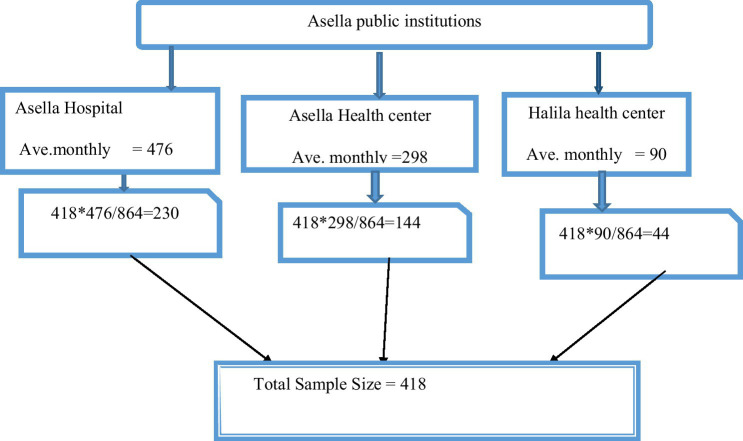
A cross-sectional study was conducted from August to September 2023, involving 418 pregnant women attending antenatal care at public health institutions in Asella. A structured questionnaire given by an interviewer was used to gather data. Using SPSS version 25, the gathered data was cleaned, coded, and examined. Binary logistic regression analysis was used to determine the factors associated to self-medication, and descriptive statistics were used to summarize the data.
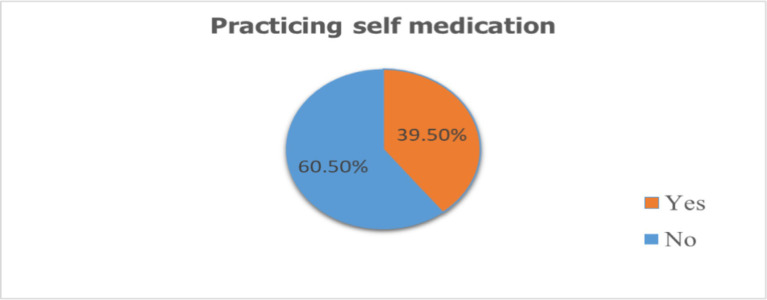
Overall the prevalence of self-medication practice among pregnant women was 39.5% (95%CI: 34.7-44.7%). Factors associated with self medication practice during pregnancy are; Primigravida women (AOR 2.18, 95% CI: 1.08-3.38), those with unintended pregnancies (AOR 1.65, 95% CI: 1.20-1.70), lacking health education on self-medication during (AOR 1.50, 95% CI: 1.45-2.55), those previous pregnancy and delivery related problem (AOR 1.6, 95% CI 1.55-2.65) were significantly associated with self-medication practice.
Self-medication is a prevalent practice among pregnant women in Asella, Ethiopia. To mitigate the risks associated with self-medication, it is crucial to implement comprehensive health education programs targeting pregnant women, particularly primigravida women and those with unintended pregnancies. These programs should emphasize the dangers of self-medication, the importance of seeking professional medical advice, and the proper use of medications during pregnancy.
自我药疗,即无医疗处方使用药物的行为,是一种普遍现象,在孕妇中尤为常见。这种行为可能会对母亲和胎儿都造成严重的不良影响,包括药物相互作用、出生缺陷和早产。尽管存在潜在风险,但埃塞俄比亚孕期自我药疗的流行情况及其相关因素仍未得到充分研究。
本研究旨在评估埃塞俄比亚奥罗米亚地区接受产前护理的孕妇中自我药疗行为的流行情况,并确定与之相关的因素。
2023年8月至9月进行了一项横断面研究,涉及418名在阿塞拉公共卫生机构接受产前护理的孕妇。由访谈者发放结构化问卷来收集数据。使用SPSS 25版对收集到的数据进行清理、编码和分析。采用二元逻辑回归分析来确定与自我药疗相关的因素,并使用描述性统计来汇总数据。
总体而言,孕妇中自我药疗行为的流行率为39.5%(95%置信区间:34.7 - 44.7%)。孕期自我药疗行为的相关因素包括:初产妇(调整优势比2.18,95%置信区间:1.08 - 3.38)、意外怀孕者(调整优势比1.65,95%置信区间:1.20 - 1.70)、缺乏自我药疗健康教育者(调整优势比1.50,95%置信区间:1.45 - 2.55)、既往有妊娠和分娩相关问题者(调整优势比1.6,95%置信区间1.55 - 2.65),这些因素与自我药疗行为显著相关。
在埃塞俄比亚阿塞拉,自我药疗在孕妇中是一种普遍行为。为降低与自我药疗相关的风险,实施针对孕妇,特别是初产妇和意外怀孕者的全面健康教育项目至关重要。这些项目应强调自我药疗的危险性、寻求专业医疗建议的重要性以及孕期正确用药方法。