Deng Xinyue, Ma Chenglong, Chen Xingyu, Yi Ming, Cao Qianhua, Liao Ruocen, Lei Xingyu, Bai Longchang, Zhao Bin, Wang Yingnan, Shen Zhuoyang, Wu Liujing, Dong Chenfang, Dai Zhijun
Otolaryngology & Head and Neck Center, Cancer Center, Department of Head and Neck Surgery, Zhejiang Provincial People's Hospital, Affiliated People's Hospital, Hangzhou Medical College, Hangzhou, Zhejiang, China.
Zhejiang Provincial Clinical Research Center for Malignant Tumor, Hangzhou, 310014, China.
J Transl Med. 2025 Apr 10;23(1):415. doi: 10.1186/s12967-025-06200-3.
The incidence of breast cancer remains high and it remains the leading cause of cancer-related deaths in women. A better understanding of the molecular mechanisms of breast cancer and identifying novel biomarkers will help improve therapeutic strategies. Citrate lyase beta like (CLYBL) is expressed at low levels in breast cancer tissues and is associated with low patient survival rates. In this study, we explored the regulatory mechanisms of CLYBL and its acetylation in breast cancer.
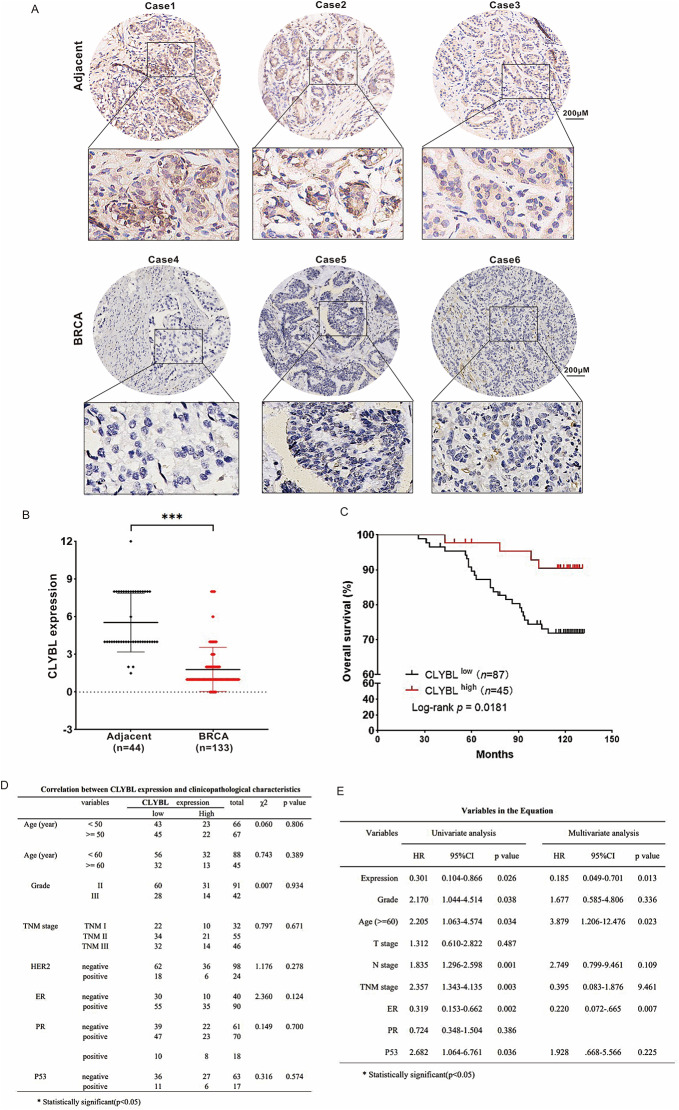
CLYBL expression patterns in breast cancer were assessed using a breast cancer tissue microarray, immunohistochemistry, and publicly available datasets. The acetylation patterns of CLYBL and the related regulatory functions were detected by high resolution mass spectrometry, immunoprecipitation assays, and western blot analysis. The potential effects of CLYBL and its acetylation on breast cancer were determined using both in vitro and in vivo assays.
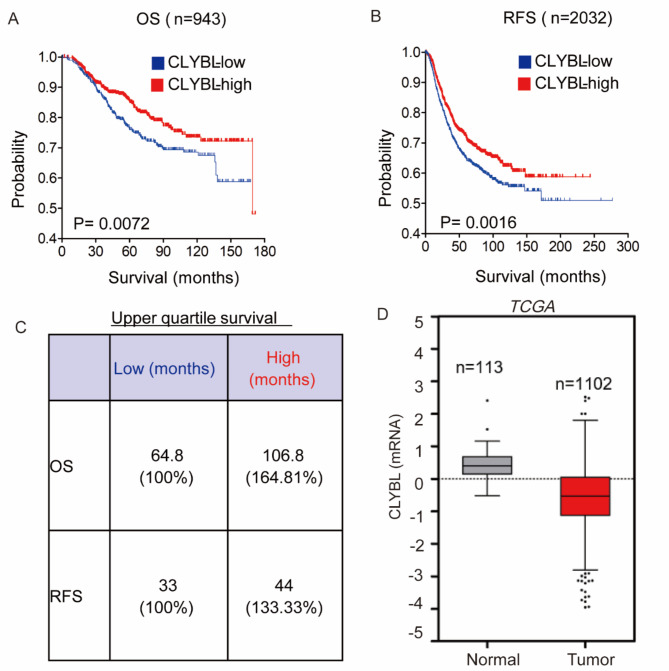
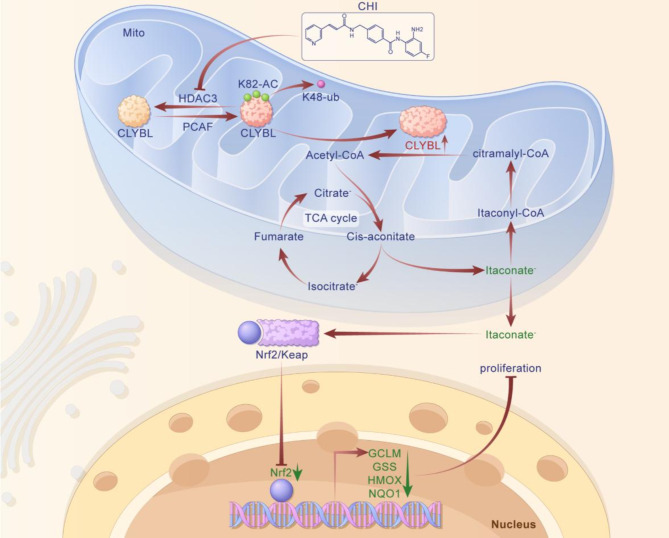
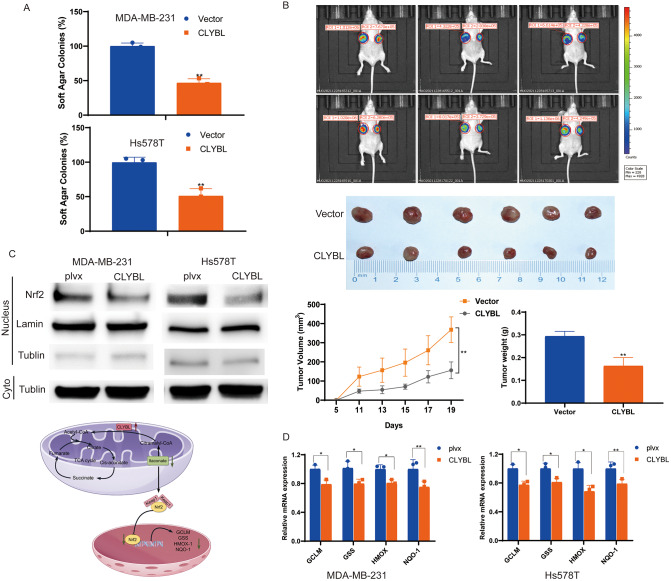
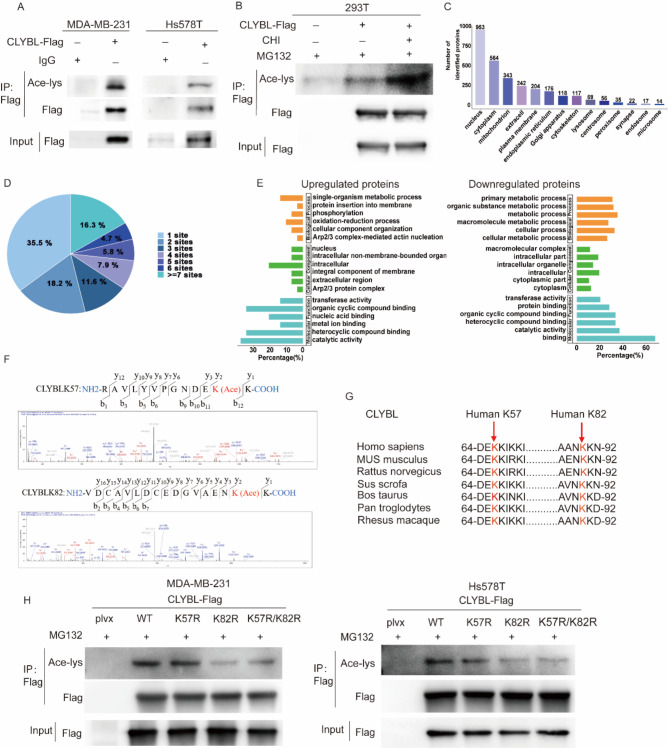
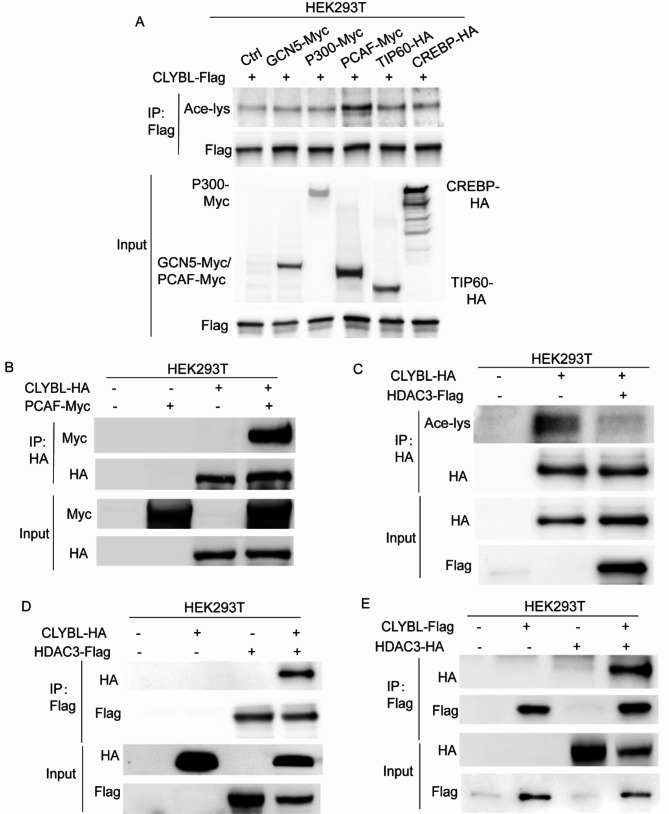
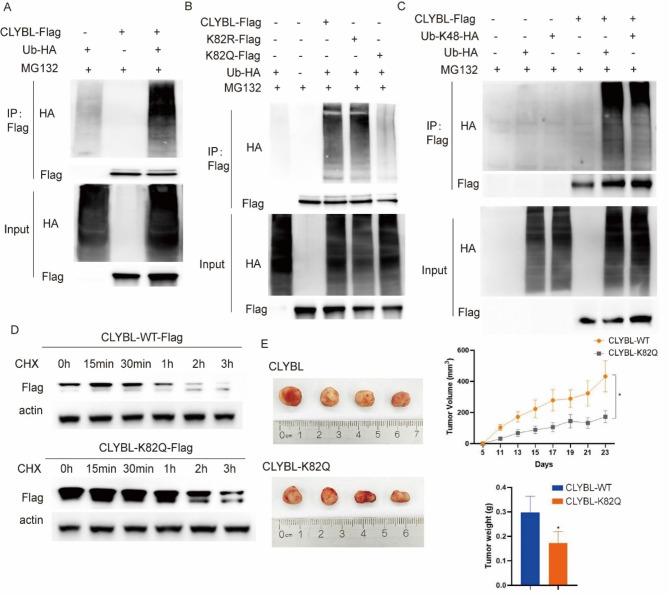
CLYBL was expressed at lower levels in breast cancer samples compared with normal tissues. This low CLYBL expression was associated with poor patient survival rates. Overexpressing CLYBL could inhibit breast cancer and reduce NRF2 pathway-mediated antioxidants. We identified two acetylated lysine sites in CLYBL, K57 and K82, using acetylated peptide affinity enrichment and high-resolution mass spectrometry. Our results suggest that K82 is the main acetylation site. Further work showed that the p300/CBP associated factor (PCAF) and histone deacetylase 3 (HDAC3) as the CLYBL acetyltransferase and deacetylase, respectively. Additionally, CLYBL acetylation facilitates its own protein stability by reducing it affinity for ubiquitin, thus enhancing the anti-breast cancer effects.
We revealed the role of CLYBL overexpression and its acetylation in breast cancer. Our study suggests that CLYBL is a potential molecular target for breast cancer therapy.
乳腺癌的发病率仍然很高,并且它仍然是女性癌症相关死亡的主要原因。更好地了解乳腺癌的分子机制并确定新的生物标志物将有助于改善治疗策略。柠檬酸裂解酶β样蛋白(CLYBL)在乳腺癌组织中低表达,并且与患者低生存率相关。在本研究中,我们探讨了CLYBL及其乙酰化在乳腺癌中的调控机制。
使用乳腺癌组织芯片、免疫组织化学和公开可用数据集评估CLYBL在乳腺癌中的表达模式。通过高分辨率质谱、免疫沉淀测定和蛋白质免疫印迹分析检测CLYBL的乙酰化模式及其相关调控功能。使用体外和体内试验确定CLYBL及其乙酰化对乳腺癌的潜在影响。
与正常组织相比,CLYBL在乳腺癌样本中的表达水平较低。这种低CLYBL表达与患者低生存率相关。过表达CLYBL可抑制乳腺癌并减少NRF2途径介导的抗氧化剂。我们使用乙酰化肽亲和富集和高分辨率质谱在CLYBL中鉴定出两个乙酰化赖氨酸位点,K57和K82。我们的结果表明K82是主要的乙酰化位点。进一步的研究表明,p300/CBP相关因子(PCAF)和组蛋白去乙酰化酶3(HDAC3)分别作为CLYBL的乙酰转移酶和去乙酰化酶。此外,CLYBL乙酰化通过降低其对泛素的亲和力来促进自身蛋白质稳定性,从而增强抗乳腺癌作用。
我们揭示了CLYBL过表达及其乙酰化在乳腺癌中的作用。我们的研究表明CLYBL是乳腺癌治疗的潜在分子靶点。