Longridge Nicholas N, Dutta Arindam, Fox Kathryn
School of Dentistry, University of Liverpool, United Kingdom.
School of Dentistry, University of Cardiff, United Kingdom.
Br Dent J. 2025 Apr;238(7):567-572. doi: 10.1038/s41415-025-8404-1. Epub 2025 Apr 11.
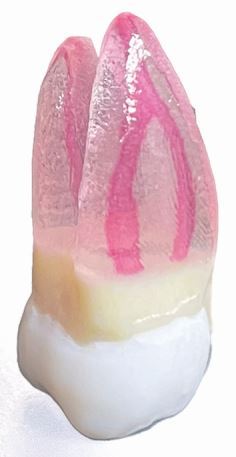
This paper explores the current landscape and future direction of endodontic education, highlighting the crucial role of individual self-efficacy in both teachers and learners. Endodontic education is influenced by a wide range of factors and frameworks that enable students to develop the scientific knowledge and procedural skills that support evidence-based practice. Educators in endodontics require appropriate training to support students through pre-clinical training and into clinical practice. This paper discusses innovative educational strategies, such as the use of additively manufactured typodonts for realistic practice and complexity progression, as well as the integration of augmented and virtual reality (AR/VR) to enhance experiential learning. Additionally, we discuss the implications of artificial intelligence (AI) in personalising learning experiences and improving diagnostic skills. Through these discussions, we identify promising directions for future research and pedagogical innovation in endodontics.
本文探讨了牙髓病学教育的现状及未来方向,强调了个体自我效能感在教师和学习者中的关键作用。牙髓病学教育受到多种因素和框架的影响,这些因素和框架使学生能够培养支持循证实践的科学知识和操作技能。牙髓病学教育工作者需要接受适当的培训,以便在临床前培训及临床实践中支持学生。本文讨论了创新教育策略,例如使用增材制造的牙模进行真实实践和逐步增加复杂性,以及整合增强现实和虚拟现实(AR/VR)以加强体验式学习。此外,我们还讨论了人工智能(AI)在个性化学习体验和提高诊断技能方面的意义。通过这些讨论,我们确定了牙髓病学未来研究和教学创新的有前景的方向。