Al Majarafi Ahmed, Busaidi Moosa Al, Fawzy Kandil Mohamed, Hadeethi Ahmed Al, Mutani Mohammed Al, Al Farii Humaid
Department of Orthopedic, Oman Medical Specialty Board, Muscat, Sultanate of Oman.
Simulation Center, Oman Medical Specialty Board, Muscat, Sultanate of Oman.
BMC Med Educ. 2025 Apr 11;25(1):519. doi: 10.1186/s12909-025-07105-x.
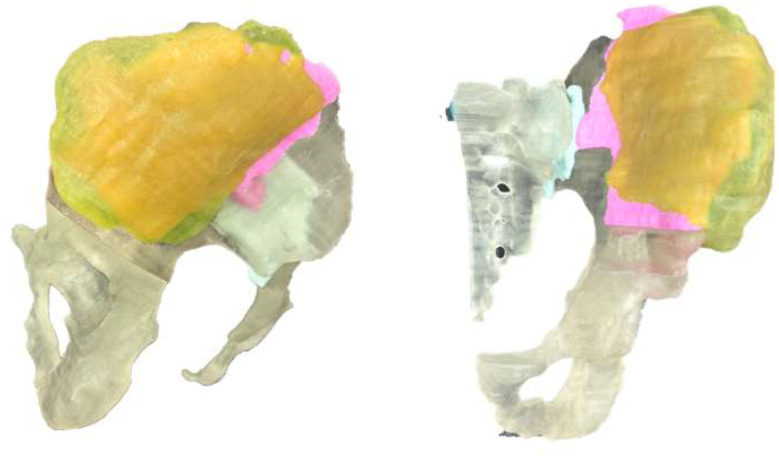
There is growing data and revolution for three-dimensional (3D) model use for multiple purposes included clinical and health professional education. While the 3D model of human body is utilized frequently during surgical procedures with beneficial effects, however, its usefulness for the surgical trainees at their education yet not evaluated.
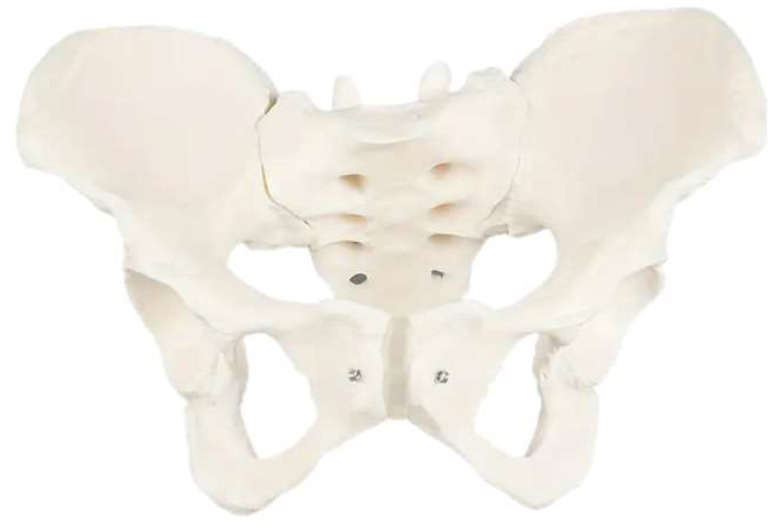
To evaluate is the 3D pelvis model helpful for the trainees to improve their ability and to understand complex pelvis anatomy. And the question, Does the hands-on use of a 3D model of a normal pelvis improve the trainee's knowledge of the technical skills to understand complex pelvic anatomy?
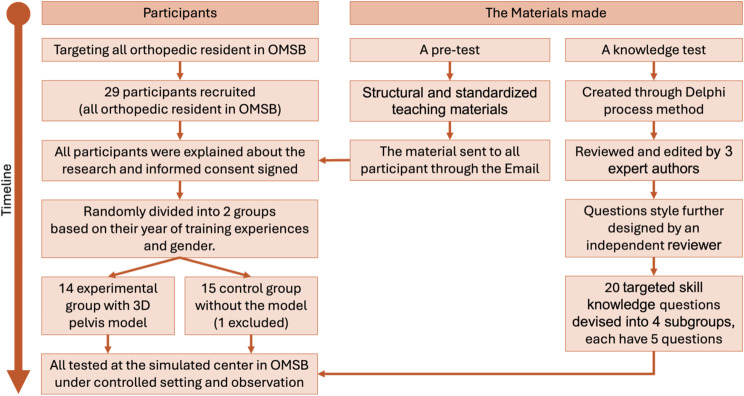
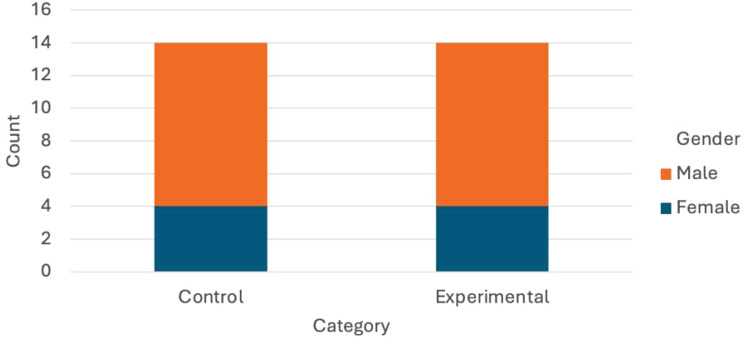
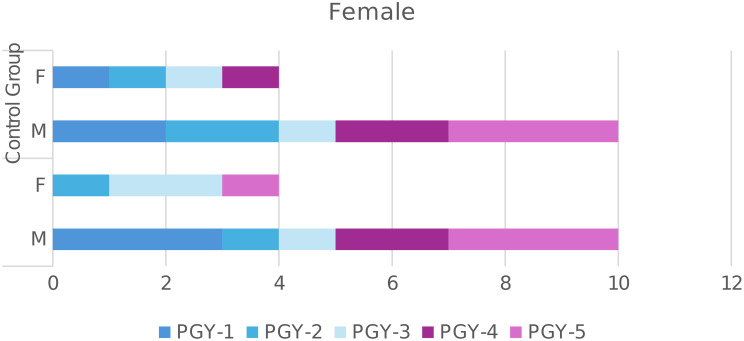
The existing literature had been reviewed using PRISMA guideline and formulated this quantitative design study. The participants have been recruited through local orthopedic residency program. 29 trainees divided into two groups, experimental group with 3D pelvis model and control group without the model, based on their year of training experiences and gender. Both groups have been asked to solve a knowledge test that is created through Delphi process method. As well, all participants requested to read pre-test educational materials.
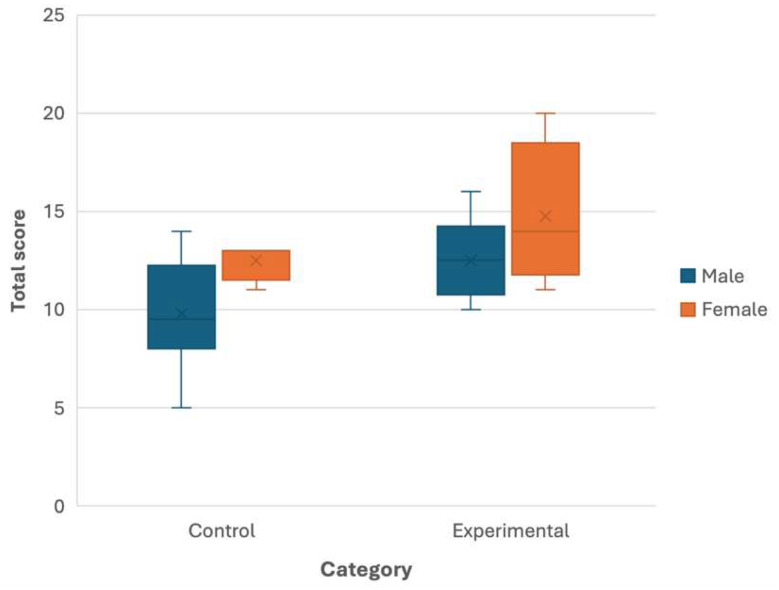
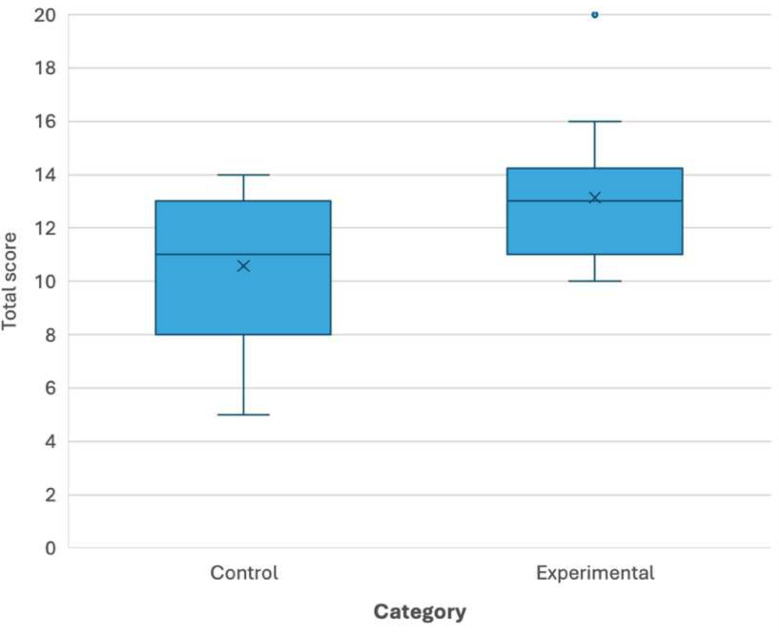
There were 14 residents at each group (one participant were excluded). The experimental group had higher overall scores than the control group, and specifically better at the anatomy questions subgroup (P value = 0.019, P value = 0.006 respectively). There was not statistically significance difference for the time required to complete the test between the two groups. At our study, we found the females scored higher than males.
3D model showed the beneficial role among orthopedics trainees to enhance their ability for understanding complex pelvis anatomy. We recommended further studies with well-designed and larger numbers among different surgical subspecialties and/or among different orthopedics sites.
用于包括临床和健康专业教育在内的多种目的的三维(3D)模型的数据和应用正在不断增加和变革。虽然人体3D模型在外科手术过程中经常被使用并产生有益效果,但其对外科实习生教育的有用性尚未得到评估。
评估3D骨盆模型是否有助于实习生提高能力并理解复杂的骨盆解剖结构。问题是,实际操作正常骨盆的3D模型是否能提高实习生对理解复杂骨盆解剖结构的技术技能的认识?
使用PRISMA指南对现有文献进行了综述,并制定了这项定量设计研究。通过当地骨科住院医师培训项目招募参与者。根据培训年份和性别,将29名实习生分为两组,一组为有3D骨盆模型的实验组,另一组为没有该模型的对照组。两组都被要求解决通过德尔菲法创建的知识测试。此外,所有参与者都被要求阅读测试前的教育材料。
每组有14名住院医师(一名参与者被排除)。实验组的总体得分高于对照组,在解剖学问题子组中尤其更好(P值分别为0.019和0.006)。两组完成测试所需的时间没有统计学上的显著差异。在我们的研究中,我们发现女性得分高于男性。
3D模型在骨科实习生中显示出有益作用,可增强他们理解复杂骨盆解剖结构的能力。我们建议在不同外科亚专业和/或不同骨科领域进行设计更完善、样本量更大的进一步研究。