
新冠疫情感染高峰期一线护士的焦虑、抑郁、社会支持、需求及担忧:一项多中心横断面研究
Anxiety, Depression, Social Support, Needs, and Concerns of Frontline Nurses during COVID-19 Peak Infection Period: A Cross-Sectional Multicenter Study.
作者信息
Zhang Liuyi, Zhang Kemei, Tong Li, Guo Yafen, Shen Jinhua, Zhang Xue-Qing, Yang Pan
机构信息
Department of Nursing Medical College of Hunan Normal University, Changsha 410013, Hunan, China.
Ophthalmology Ward II Changde Hospital Xiangya School of Medicine Central South University (The First People's Hospital of Changde City), Changde 415000, Hunan, China.
出版信息
J Nurs Manag. 2024 Jun 28;2024:6007430. doi: 10.1155/2024/6007430. eCollection 2024.
BACKGROUND
The worldwide pandemic of COVID-19 had put enormous pressure on frontline healthcare workers. In December 2022, China released its "10 new measures," signaling the end of the "dynamic zero COVID-19 strategy." This triggered a period of peak infection, which shocked China's healthcare system and affected the mental health of nurses.
OBJECTIVE
To explore the anxiety, depression, and social support levels of frontline nurses during the peak period of COVID-19 infection and to identify the main needs and concerns of nurses during this period.
DESIGN
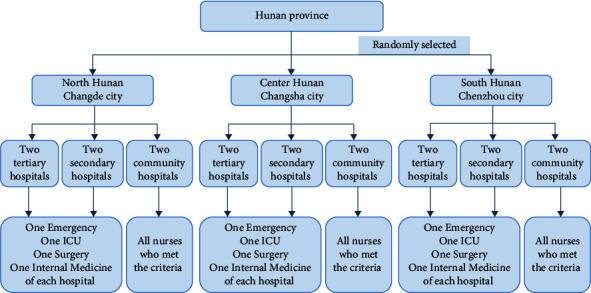
A multicenter cross-sectional study. . 18 hospitals of different grades in three cities in Hunan Province from December 21, 2022, to January 10, 2023, the peak period of COVID-19 infection. . A total of 4,160 nurses completed the survey.
METHODS
The questionnaire included general information, symptoms, the preparation for nurses, GAD-7, PHQ-9, PSSS, and two open-ended questions investigating nurses' needs and concerns. General linear models were used to analyze the factors influencing anxiety. Hospital preparation for nurses, nurses' needs, and nurses' concerns were categorized and subjected to frequency counts.
RESULTS
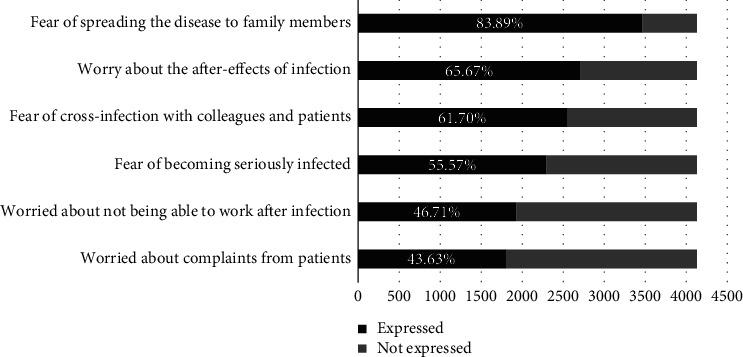
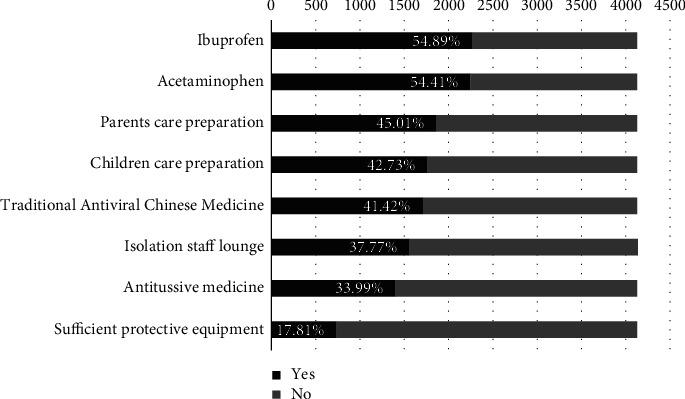
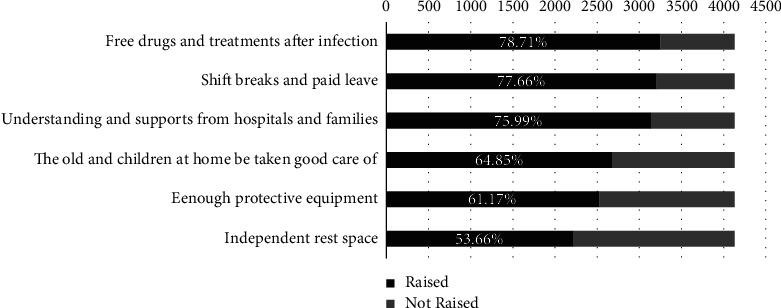
The median (P25, P75) scores for anxiety and depression among nurses were 7.00 (3, 12) and 8 (3, 12), respectively. Type of hospital, professional title, family structure, isolation staff lounge preparation, ibuprofen preparation, health status of parents, fever, chest distress, dyspnea, cough, insufficient protective equipment, number of children, and PSSS others were the influencing factors of GAD grades. The top 3 needs were free drugs and treatments (78.71%), shift breaks and paid leave (77.66%), and understanding and supports from hospitals and families (75.99%). The first three concerns were the fear of spreading the disease to family members (83.89%), the after-effects of infection (65.67%), and cross-infection with colleagues and patients (61.70%).
CONCLUSIONS
Nurses' anxiety was more severe during peak infection period. Overloaded work schedules and insufficient sleep became a common situation. Worries about family members became the main concern of nurses. Managers should make contingency plans for public health emergencies and provide frontline nurses with protective equipment, stress-relieving measures, and a rotation system. More importantly, they should pay attention to the needs of nurses' family members and provide medical and care support. The media should also explain how hospitals operate and carry out their duties during these extraordinary times in order for the public to comprehend the condition of frontline epidemic fighters.
背景
新型冠状病毒肺炎(COVID-19)全球大流行给一线医护人员带来了巨大压力。2022年12月,中国发布“新十条”,标志着“动态清零”政策的结束。这引发了一段感染高峰期,冲击了中国的医疗系统,并影响了护士的心理健康。
目的
探讨COVID-19感染高峰期一线护士的焦虑、抑郁和社会支持水平,并确定这一时期护士的主要需求和担忧。
设计
一项多中心横断面研究。于2022年12月21日至2023年1月10日,即COVID-19感染高峰期,选取湖南省三个城市的18家不同等级医院。共有4160名护士完成了调查。
方法
问卷包括一般信息、症状、护士准备情况、广泛性焦虑障碍量表(GAD-7)、患者健康问卷-9(PHQ-9)、社会支持评定量表(PSSS),以及两个调查护士需求和担忧的开放式问题。采用一般线性模型分析影响焦虑的因素。对医院为护士的准备情况、护士的需求和护士的担忧进行分类并进行频数统计。
结果
护士焦虑和抑郁得分的中位数(第25百分位数,第75百分位数)分别为7.00(3,12)和8(3,12)。医院类型、职称、家庭结构、隔离人员休息室准备情况、布洛芬准备情况、父母健康状况、发热、胸闷、呼吸困难、咳嗽、防护用品不足、子女数量和PSSS其他项是GAD等级的影响因素。前三位需求是免费药品和治疗(78.71%)、轮休和带薪休假(77.66%),以及来自医院和家庭的理解与支持(75.99%)。前三位担忧是担心将疾病传播给家庭成员(83.89%)、感染后遗症(65.67%),以及与同事和患者交叉感染(61.70%)。
结论
在感染高峰期护士的焦虑更为严重。工作安排超负荷和睡眠不足成为常见情况。对家庭成员的担忧成为护士的主要关注点。管理者应制定突发公共卫生事件应急预案,为一线护士提供防护用品、减压措施和轮班制度。更重要的是,应关注护士家庭成员的需求,并提供医疗和护理支持。媒体也应解释医院在这些特殊时期如何运作和履行职责,以便公众了解一线抗疫人员的状况。
 Zotero 插件