Alameddine Mohamad, Al-Yateem Nabeel, Bou-Karroum Karen, Hijazi Heba, Al Marzouqi Alounoud, Al-Adawi Samir
College of Health Sciences, University of Sharjah, Sharjah, UAE.
Health and Workforce Studies Research Group, Research Institute of Medical & Health Sciences Sharjah, University of Sharjah, Sharjah, UAE.
J Nurs Manag. 2023 Mar 4;2023:3666224. doi: 10.1155/2023/3666224. eCollection 2023.
There is an agreement on the importance of measuring work-life balance, especially after the COVID-19 pandemic. However, the available tools to do so are not sufficient to address all dimensions, contexts, and professions.
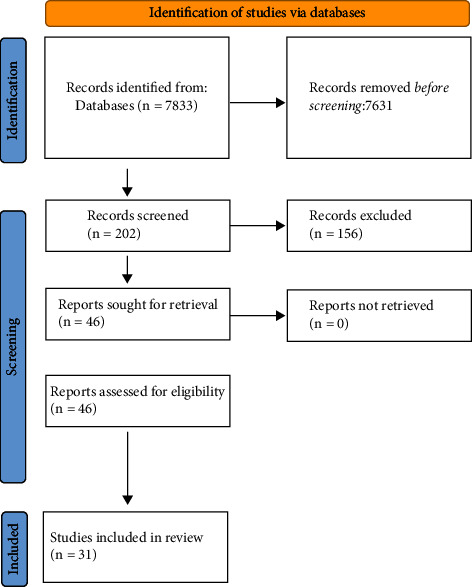
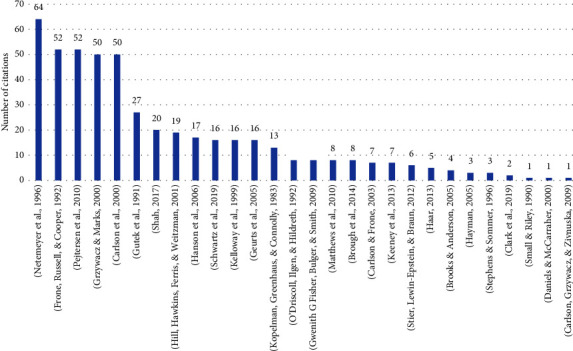
The article reviews existing instruments that have been widely utilised to tap into the breadth and depth of work-life balance. . This is a perspective scoping review guided by PRISMA-ScR guidelines. Articles reporting on the measurement of work-life balance were reviewed. The authors performed the review based on agreed-upon search terms, inclusion and exclusion criteria, search databases, and the data extraction process. . The existing tools appear to have divergent underpinning theoretical models, factors, structural/psychometric properties, and the number of accumulated citations. The existing tools also varied in terms of their target sector, with limited tools available for the analysis of work-life balance among healthcare professionals. We argue that while the existing tools provide a general base for the work-life balance measurement, it would be imperative to adjust those tools to the specific cultural and professional contexts. Future work-life balance measures should consider the changes imposed by atypical or disruptive events that have the potential to alter work-life balance, such as in the case of the COVID-19 pandemic. The onus is on researchers and policymakers to work collaboratively in each context to adapt, implement, and evaluate those tools as they become integrated into the matrix of labour market assessments in the future.
The article highlighted current gaps and improvement opportunities in the work-life balance measurement field. . The maintenance of work-life balance will remain an issue for years to come. Ensuring comprehensive and context-specific measurements would be essential to guide the evidence-based recommendations necessary to support the workforce across the various sectors of the economy in the future.
人们对于衡量工作与生活平衡的重要性已达成共识,尤其是在新冠疫情之后。然而,现有的衡量工具不足以涵盖所有维度、背景和职业。
本文回顾了广泛用于探究工作与生活平衡广度和深度的现有工具。这是一项遵循PRISMA-ScR指南的前瞻性范围综述。对报告工作与生活平衡衡量方法的文章进行了综述。作者根据商定的搜索词、纳入和排除标准、搜索数据库以及数据提取过程进行了综述。现有工具似乎具有不同的基础理论模型、因素、结构/心理测量特性以及累积引用次数。现有工具在目标领域方面也存在差异,用于分析医疗专业人员工作与生活平衡的工具有限。我们认为,虽然现有工具为工作与生活平衡的衡量提供了一个总体基础,但必须根据特定的文化和职业背景对这些工具进行调整。未来的工作与生活平衡衡量方法应考虑非典型或破坏性事件带来的变化,这些事件有可能改变工作与生活平衡,例如新冠疫情的情况。研究人员和政策制定者有责任在每个背景下合作,以便在这些工具未来融入劳动力市场评估矩阵时对其进行调整、实施和评估。
本文突出了工作与生活平衡衡量领域当前的差距和改进机会。在未来几年,维持工作与生活平衡仍将是一个问题。确保全面且针对具体背景的衡量对于指导基于证据的建议至关重要,这些建议对于未来支持经济各部门的劳动力是必要的。