Wang Xi, Li Zhuoya, Xing Ying, Wang Yaru, Wang Shiyao, Wang Liping, Zhang Hui
Department of Ophthalmology, The Second Hospital of Jilin University, Changchun, 130041, Jilin, China.
Key Laboratory for Molecular Enzymology and Engineering of Ministry of Education, School of Life Sciences, Jilin University, Changchun, 130012, Jilin, China.
Sci Rep. 2025 Apr 14;15(1):12759. doi: 10.1038/s41598-025-98079-9.
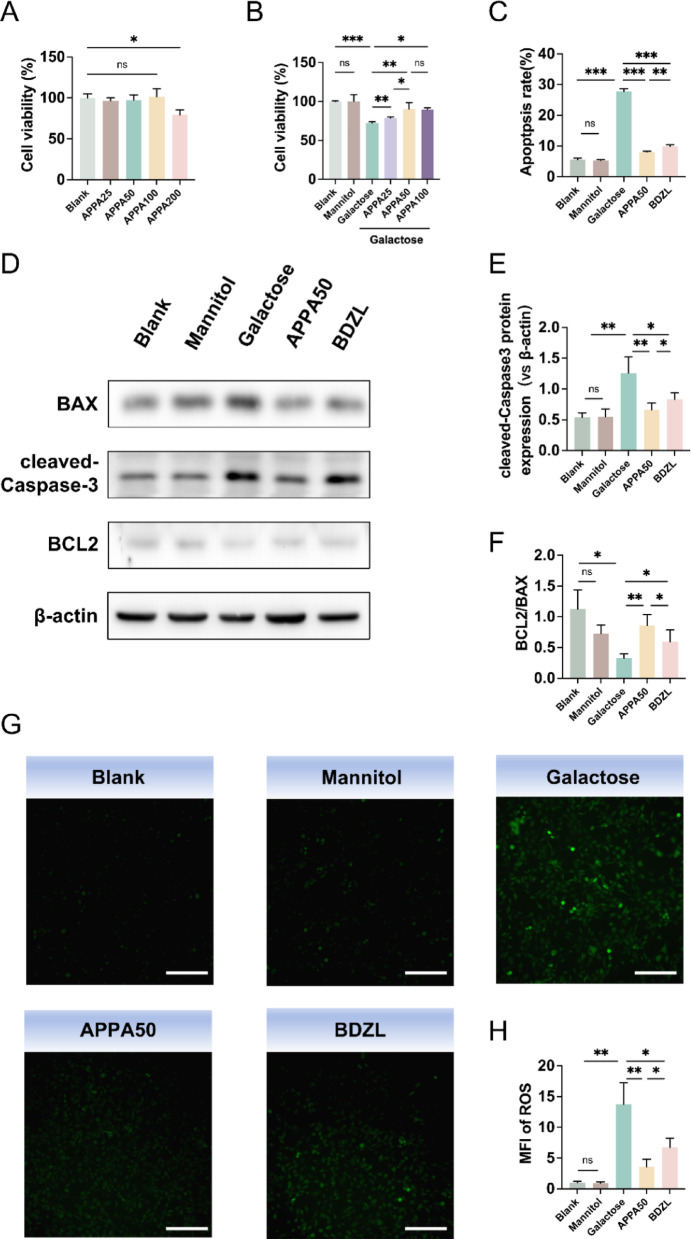
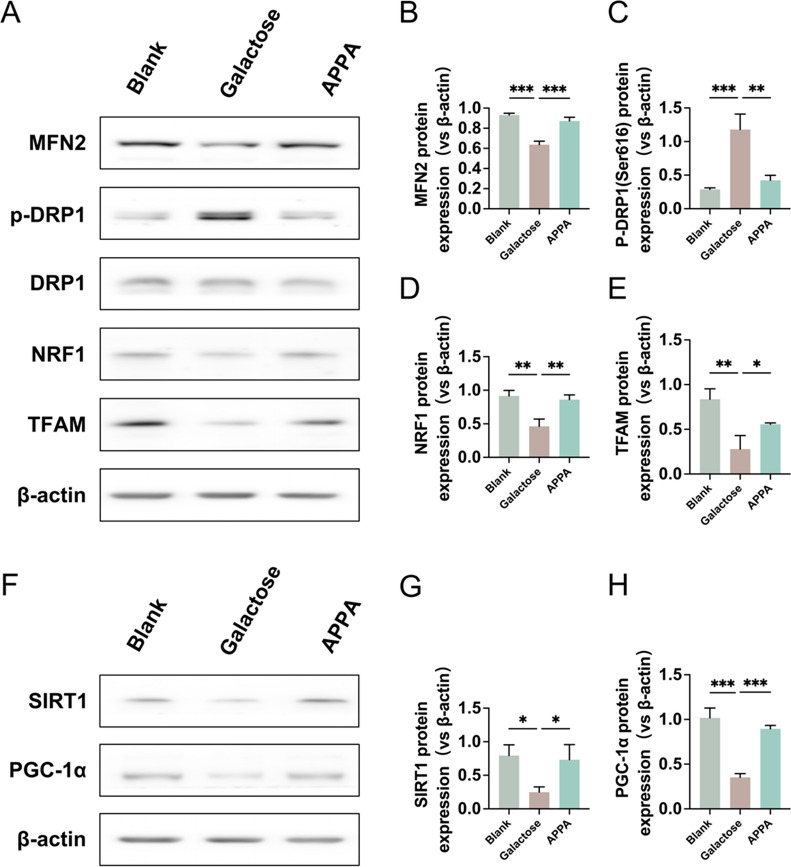
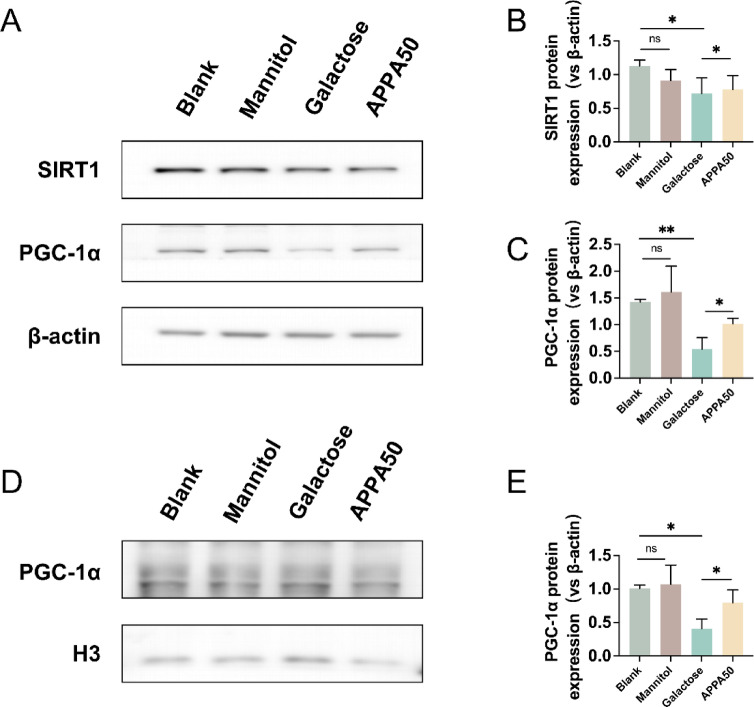
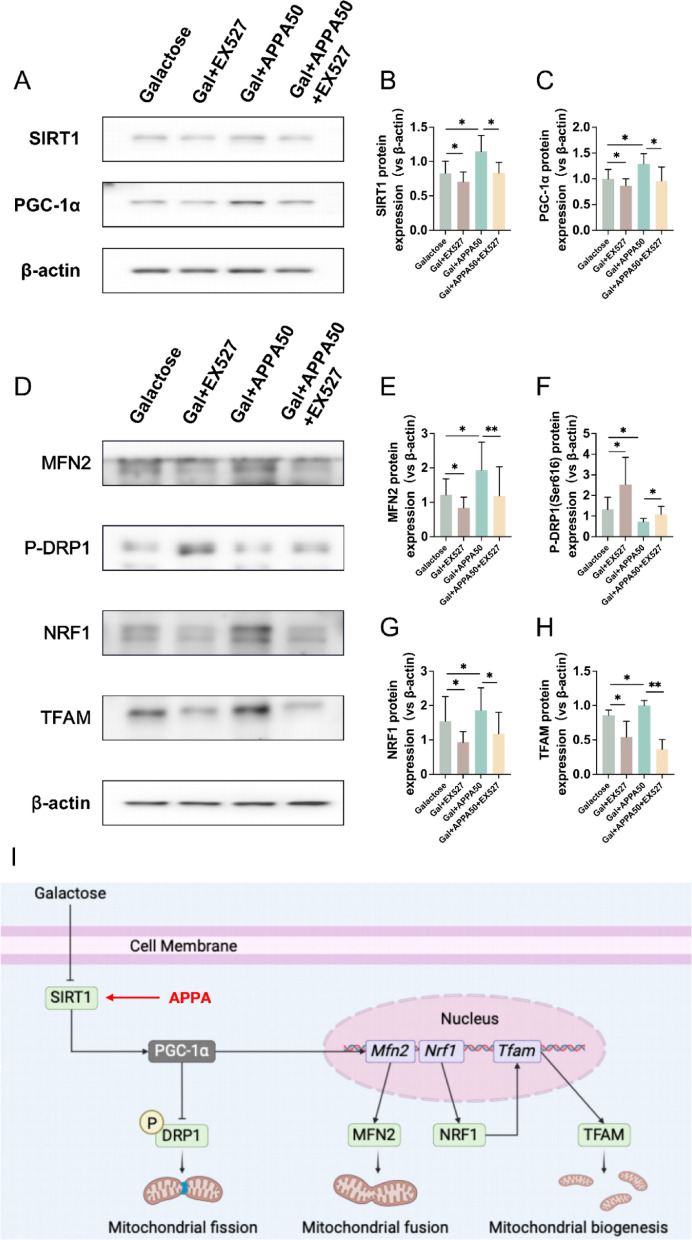
Diabetes mellitus, as a common chronic disease, easily leads to significant changes in the structure of the eye, among which diabetic cataract is particularly common. Although surgery is the main treatment for this complication, it may be accompanied by postoperative complications. Therefore, it is particularly important to develop specific drugs for diabetic cataract, aiming to fundamentally reduce its incidence and reduce the need for surgery. At present, the greatest challenge is to develop therapeutic agents with multiple synergistic effects based on the complex pathogenesis of cataract. 1-Acetyl-5-phenyl-1 H-pyrrol-3-ylacetate (APPA) is designed based on the pathological mechanism as a potential drug to alleviate the occurrence of diabetic cataract. Our observations suggest that APPA is more effective than bendazaclysine in alleviating high galactose-induced oxidative stress (The malondialdehyde content in the APPA group and bendazaclysine group was significantly reduced to 0.45-fold and 0.58-fold compared to the high galactose-induced group, respectively.) and apoptosis (The apoptosis rate in the APPA group and bendazaclysine group was significantly reduced to 0.28-fold and 0.35-fold compared to the high galactose-induced group, respectively.) in lens epithelial cells by increasing antioxidant enzyme activity, and restoring mitochondrial homeostasis. Mechanistic studies have shown that APPA restoration of mitochondrial homeostasis is mediated through the SIRT1-PGC-1α pathway. In the galactose-induced cataract rat model, APPA is effective in alleviating the occurrence of galactose-induced cataract. In conclusion, APPA with multiple synergistic functions may be a potential drug to alleviate the occurrence of diabetic cataract, and it has a wider range of indications than benzydalysine.
糖尿病作为一种常见的慢性病,很容易导致眼部结构发生显著变化,其中糖尿病性白内障尤为常见。虽然手术是这种并发症的主要治疗方法,但术后可能会伴有并发症。因此,开发针对糖尿病性白内障的特效药物尤为重要,旨在从根本上降低其发病率并减少手术需求。目前,最大的挑战是基于白内障复杂的发病机制开发具有多种协同作用的治疗药物。1-乙酰基-5-苯基-1H-吡咯-3-基乙酸酯(APPA)是根据病理机制设计的一种潜在药物,用于缓解糖尿病性白内障的发生。我们的观察结果表明,APPA在减轻高糖诱导的晶状体上皮细胞氧化应激(APPA组和苄达赖氨酸组的丙二醛含量分别比高糖诱导组显著降低至0.45倍和0.58倍)和细胞凋亡(APPA组和苄达赖氨酸组的凋亡率分别比高糖诱导组显著降低至0.28倍和0.35倍)方面比苄达赖氨酸更有效,其作用机制是通过增加抗氧化酶活性和恢复线粒体稳态。机制研究表明,APPA恢复线粒体稳态是通过SIRT1-PGC-1α途径介导的。在半乳糖诱导的白内障大鼠模型中,APPA可有效减轻半乳糖诱导的白内障的发生。总之,具有多种协同功能的APPA可能是一种缓解糖尿病性白内障发生的潜在药物,并且其适应症比苄达赖氨酸更广泛。