Wang Juanjuan, Hao Yang, Yang Yazheng, Zhang Yuan, Xu Chen, Yang Rongcun
Nankai University, Tianjin, China.
Nankai University School of Medicine, Tianjin, China.
J Immunother Cancer. 2025 Apr 23;13(4):e011155. doi: 10.1136/jitc-2024-011155.
Gut microbiota can significantly alter the risk or progression of cancer by maintaining gut immune system homeostasis. However, the exact mechanism by which the gut microbiota and its metabolites influence colorectal tumorigenesis is unclear.
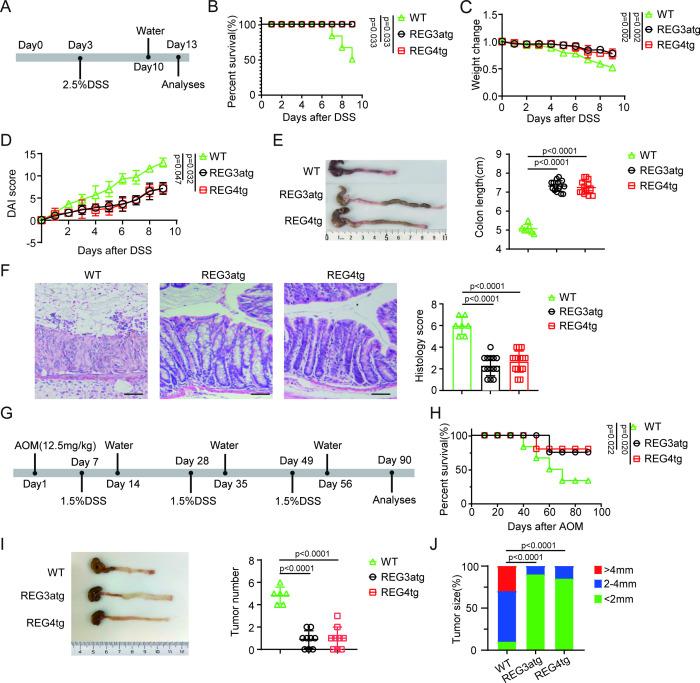
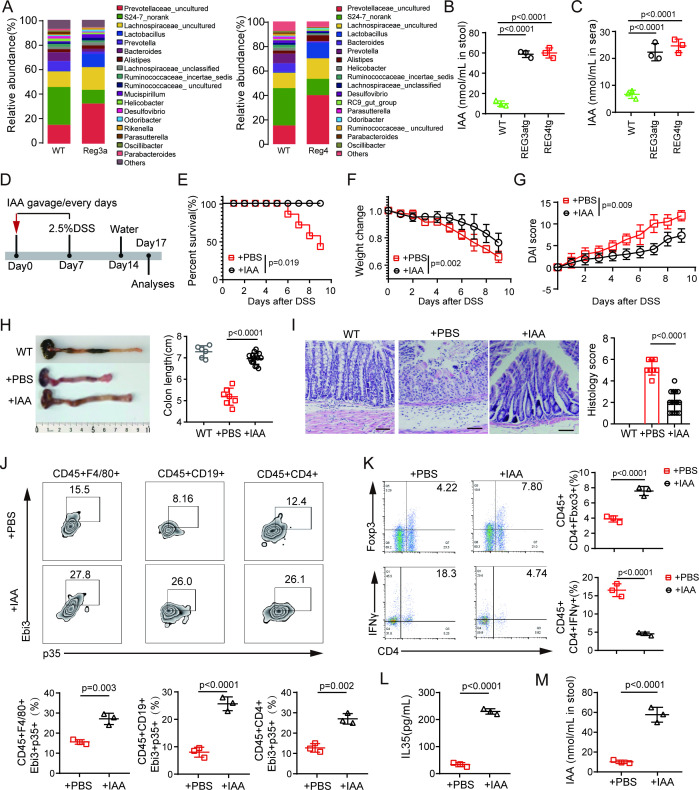
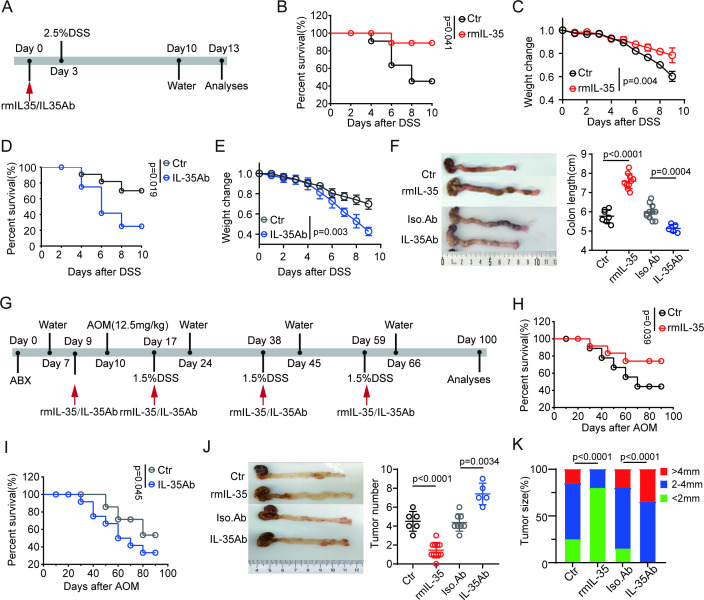
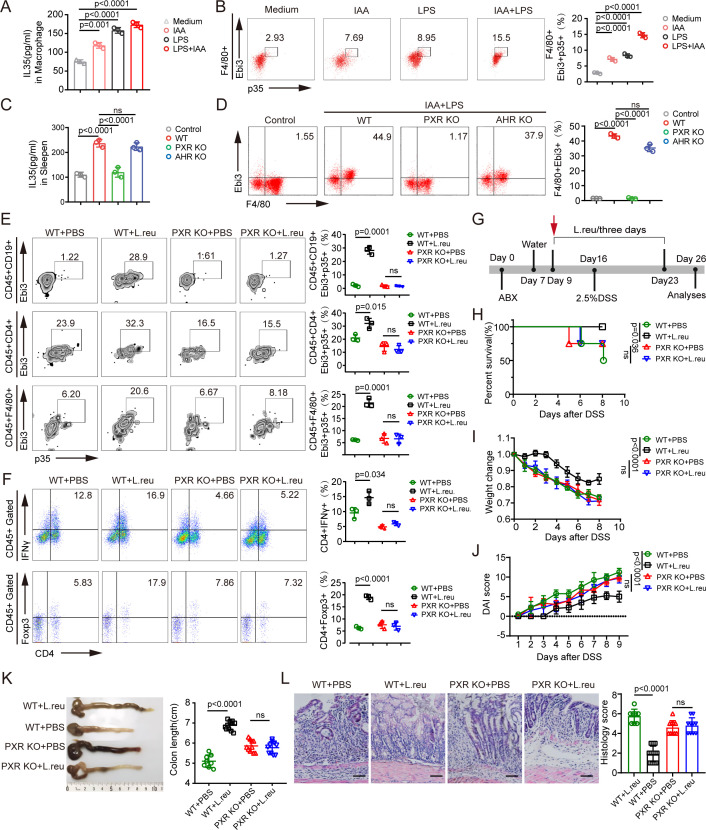
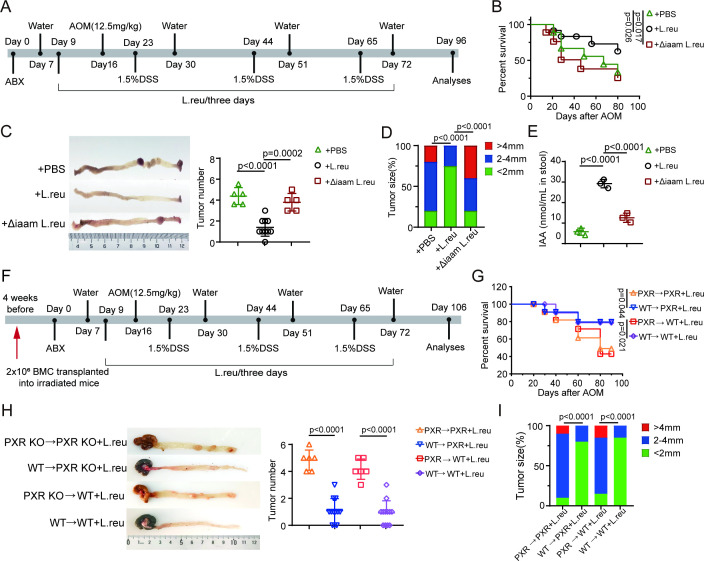
The roles of tryptophan metabolite indole-3-acetic acid (IAA) in inflammation and tumor development were investigated in dextran sodium sulfate (DSS) and azoxymethane (AOM)-DSS mouse models with or without IAA supplementation and with or without -produced IAA. Pregnane X receptor (PXR) knockout (KO) mice and aryl hydrocarbon receptor KO mice were used to explore the mechanism by which IAA regulates interleukin (IL)-35 expression. IL-35 immune cells were stimulated in vitro and analyzed by flow cytometry. Additionally, metabolites were analyzed by liquid chromatography-mass spectrometry.
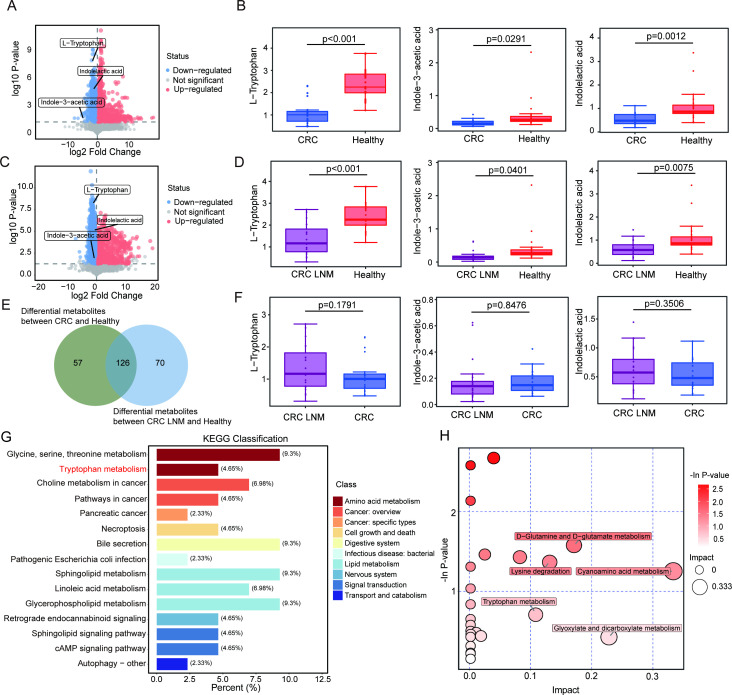
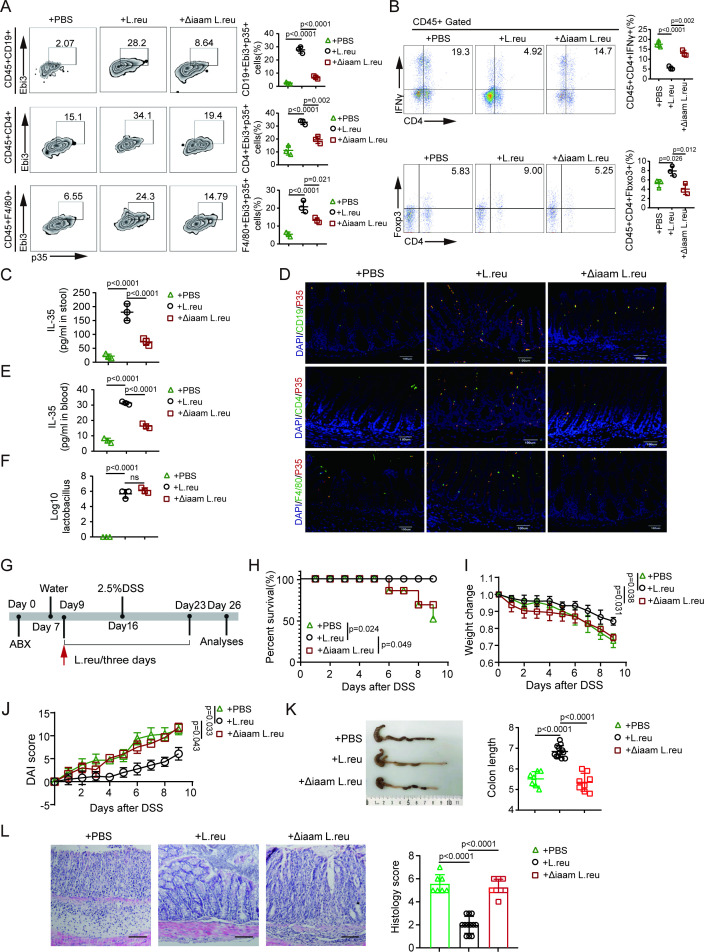
We found that IAA, a metabolite of tryptophan produced in the gut by , can inhibit the development of colitis by inducing IL-35 expression in immunosuppressant cells. mice had high levels of intestinal microbiota-derived IAA, and these mice were resistant to AOM-DSS-induced cancer. Patients with colorectal cancer also had low peripheral blood levels of IAA. Further studies revealed that IAA-producing alleviated colitis symptoms and inhibited colon tumors by inducing macrophages, T cells, and B cells to produce IL-35. Finally, PXR KO completely abolished the effects of IAA on immune cells.
We demonstrate that gut microbiota-derived IAA can improve the precancerous colon inflammatory environment through IL-35, thereby inhibiting tumorigenesis, suggesting that IAA may be a preventive factor for colitis-related cancers.
肠道微生物群可通过维持肠道免疫系统稳态显著改变癌症风险或进展。然而,肠道微生物群及其代谢产物影响结直肠癌发生的确切机制尚不清楚。
在有或无吲哚 - 3 - 乙酸(IAA)补充以及有或无产生IAA的葡聚糖硫酸钠(DSS)和氧化偶氮甲烷(AOM)-DSS小鼠模型中,研究色氨酸代谢产物IAA在炎症和肿瘤发展中的作用。使用孕烷X受体(PXR)基因敲除(KO)小鼠和芳烃受体KO小鼠来探究IAA调节白细胞介素(IL)-35表达的机制。体外刺激IL-35免疫细胞并通过流式细胞术进行分析。此外,通过液相色谱 - 质谱法分析代谢产物。
我们发现,IAA作为肠道中由产生的色氨酸代谢产物,可通过诱导免疫抑制细胞中IL-35的表达来抑制结肠炎的发展。小鼠肠道微生物群衍生的IAA水平较高,这些小鼠对AOM-DSS诱导的癌症具有抗性。结直肠癌患者外周血中IAA水平也较低。进一步研究表明,产生IAA的通过诱导巨噬细胞、T细胞和B细胞产生IL-35减轻了结肠炎症状并抑制了结肠肿瘤。最后,PXR基因敲除完全消除了IAA对免疫细胞的影响。
我们证明,肠道微生物群衍生的IAA可通过IL-35改善癌前结肠炎症环境,从而抑制肿瘤发生,这表明IAA可能是结肠炎相关癌症的预防因素。