
基于纳米尺度的兴奋剂检测:二维材料的生物传感机制及应用
Doping Detection Based on the Nanoscale: Biosensing Mechanisms and Applications of Two-Dimensional Materials.
作者信息
Zhao Jingjing, Wang Yu, Liu Bing
机构信息
Shanghai Institute of Doping Analyses, Shanghai University of Sport, Shanghai 200438, China.
出版信息
Biosensors (Basel). 2025 Apr 3;15(4):227. doi: 10.3390/bios15040227.
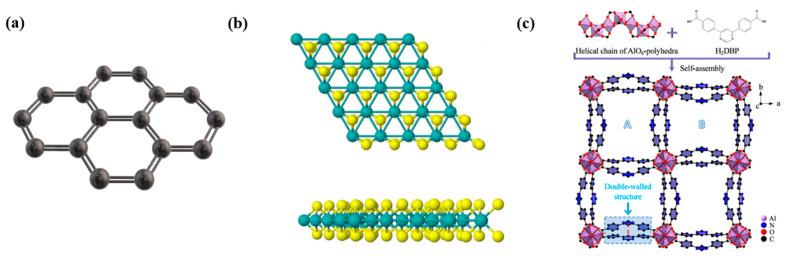
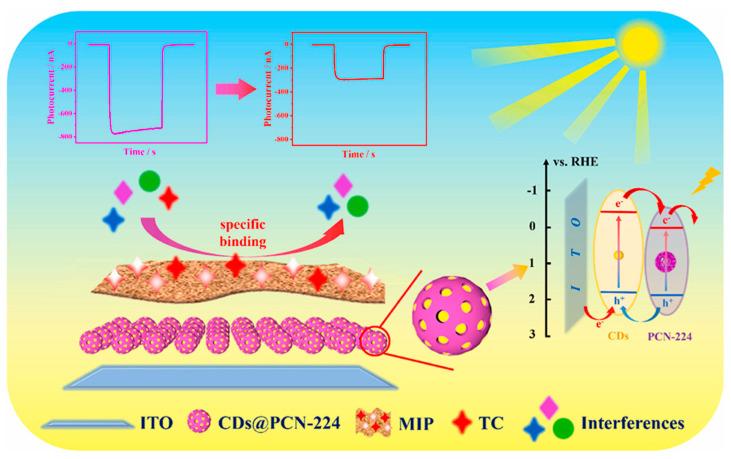
Doping undermines fairness in sports and threatens athlete health, while conventional detection methods like LC-MS and GC-MS face challenges such as complex procedures, matrix interferences, and lengthy processing times, limiting on-site applications. Two-dimensional (2D) materials, including graphene, MoS, and metal-organic frameworks (MOFs), offer promising solutions due to their large surface areas, tunable electronic structures, and special interactions with doping agents, such as hydrogen bonding, π-π stacking, and electrostatic forces. These materials enable signal transduction through changes in conductivity or fluorescence quenching. This review highlights the use of 2D materials in doping detection. For example, reduced graphene oxide-MOF composites show high sensitivity for detecting anabolic steroids like testosterone, while NiO/NGO nanocomposites exhibit strong selectivity for stimulants like ephedrine. However, challenges such as environmental instability and high production costs hinder their widespread application. Future efforts should focus on improving material stability through chemical modifications, reducing production costs, and integrating these materials into advanced systems like machine learning. Such advancements could revolutionize doping detection, ensuring fairness in sports and protecting athlete health.
使用兴奋剂破坏了体育比赛的公平性并威胁运动员健康,而诸如液相色谱 - 质谱联用(LC - MS)和气相色谱 - 质谱联用(GC - MS)等传统检测方法面临着诸如程序复杂、基质干扰和处理时间长等挑战,限制了现场应用。二维(2D)材料,包括石墨烯、二硫化钼和金属有机框架(MOF),因其大表面积、可调节的电子结构以及与兴奋剂的特殊相互作用,如氢键、π - π堆积和静电力,提供了有前景的解决方案。这些材料能够通过电导率变化或荧光猝灭实现信号转导。本综述重点介绍了二维材料在兴奋剂检测中的应用。例如,还原氧化石墨烯 - 金属有机框架复合材料对检测睾酮等合成代谢类固醇具有高灵敏度,而氧化镍/氮掺杂氧化石墨烯纳米复合材料对麻黄碱等兴奋剂表现出强选择性。然而,诸如环境稳定性差和生产成本高等挑战阻碍了它们的广泛应用。未来的努力应集中在通过化学修饰提高材料稳定性、降低生产成本以及将这些材料集成到机器学习等先进系统中。这些进展可能会彻底改变兴奋剂检测,确保体育比赛的公平性并保护运动员健康。





 Zotero 插件