Harantová Veronika, Mazanec Jaroslav
Department of Quantitative Methods and Economic Informatics, Faculty of Operation and Economics of Transport and Communications, University of Zilina, 010 26 Zilina, Slovakia.
Behav Sci (Basel). 2025 Mar 24;15(4):413. doi: 10.3390/bs15040413.
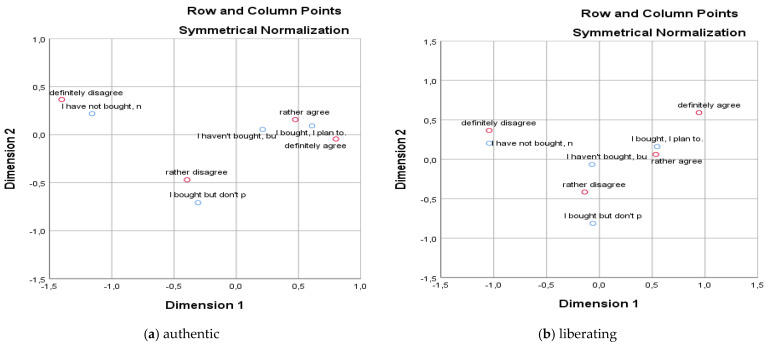
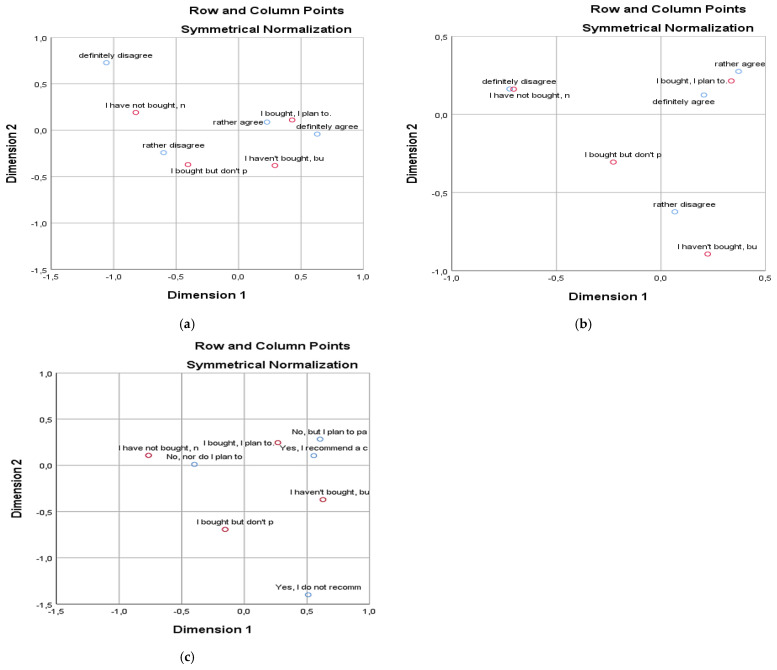
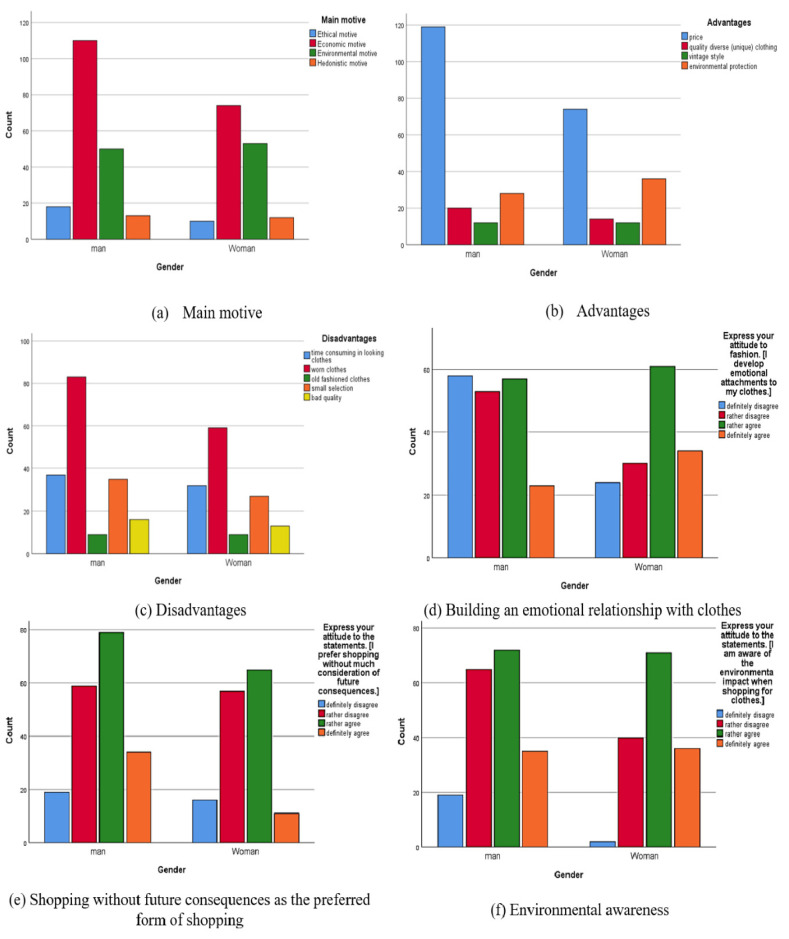
This study investigates the shopping behavior of Generation Z towards second-hand clothing in Slovakia, focusing on in-store experiences and their relationship with emotions, gender, and environmental awareness. Data were collected from 340 respondents through an online survey conducted between November 2024 and January 2025. The results indicate that feelings such as authenticity, fun, and interest in finding fashionable items are significantly associated with gender. Across all five dimensions, women perceive second-hand clothing shopping more positively than men. The biggest difference between the sexes is that women find this shopping more fun, enjoyable, and authentic. Men tend to be slightly more skeptical in their evaluation, with the lowest average score (2.65) on the question of whether shopping is "fun". The study also reveals a strong correlation between the shopping experience and consumer attitudes. Individuals with prior experience in buying second-hand clothing exhibit greater environmental awareness, a stronger emotional connection with clothing, and a higher likelihood of participating in clothing swap events. Conversely, those without experience often harbor prejudices related to hygiene and perceive second-hand shopping as time-consuming and inconvenient. These findings highlight the importance of in-store experiences and the role of emotions in shaping consumer behavior towards second-hand clothing. The results have implications for retailers and policymakers seeking to promote sustainable consumption practices and enhance the appeal of the second-hand clothing market.
本研究调查了斯洛伐克Z世代对二手服装的购物行为,重点关注店内体验及其与情感、性别和环境意识的关系。数据是通过2024年11月至2025年1月期间进行的在线调查从340名受访者那里收集的。结果表明,诸如真实性、趣味性以及对寻找时尚单品的兴趣等感受与性别显著相关。在所有五个维度上,女性对二手服装购物的看法比男性更积极。两性之间最大的差异在于,女性觉得这种购物更有趣、更愉快且更具真实性。男性在评价时往往略显怀疑,在“购物是否有趣”这一问题上平均得分最低(2.65)。该研究还揭示了购物体验与消费者态度之间的强烈关联。有购买二手服装经验的个人表现出更强的环境意识、与服装更强的情感联系以及更高的参与服装交换活动的可能性。相反,没有经验的人往往对卫生存在偏见,并认为二手购物既耗时又不方便。这些发现凸显了店内体验的重要性以及情感在塑造消费者对二手服装行为方面的作用。研究结果对寻求促进可持续消费实践并提升二手服装市场吸引力的零售商和政策制定者具有启示意义。