Nowak Ilona, Kubina Robert, Strzałka-Mrozik Barbara
Department of Molecular Biology, Faculty of Pharmaceutical Sciences in Sosnowiec, Medical University of Silesia, 41-200 Sosnowiec, Poland.
Silesia LabMed: Centre for Research and Implementation, Medical University of Silesia, 41-752 Katowice, Poland.
Pharmaceuticals (Basel). 2025 Apr 9;18(4):554. doi: 10.3390/ph18040554.
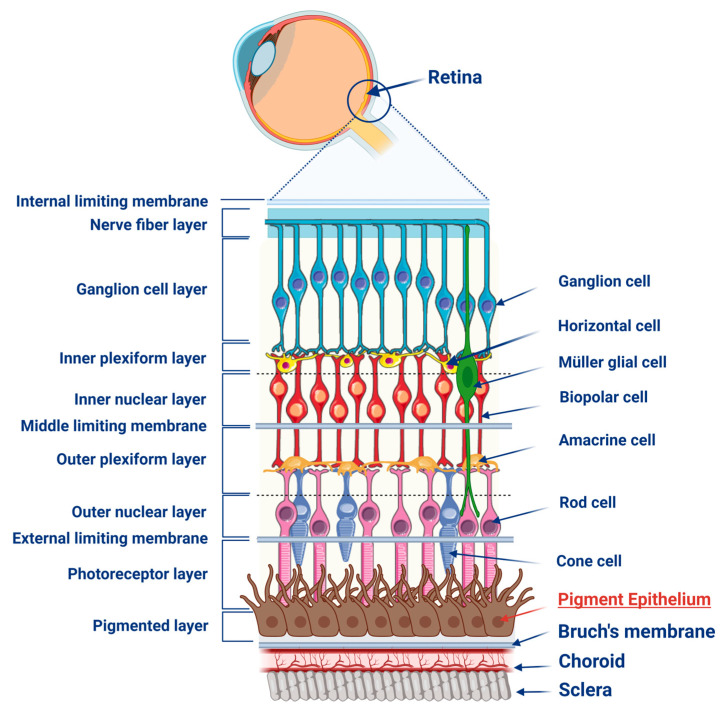
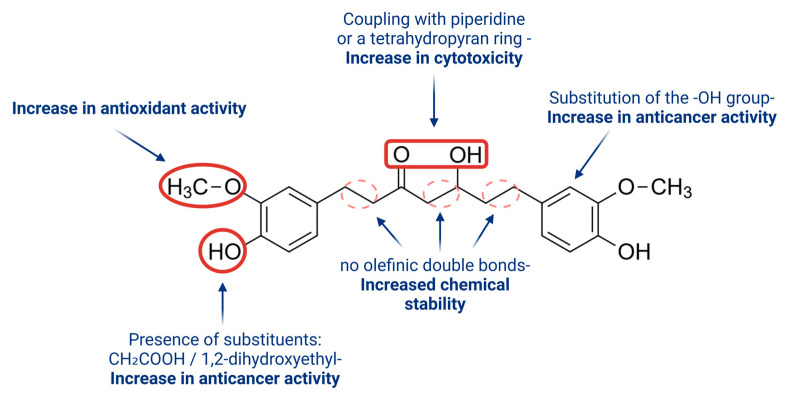
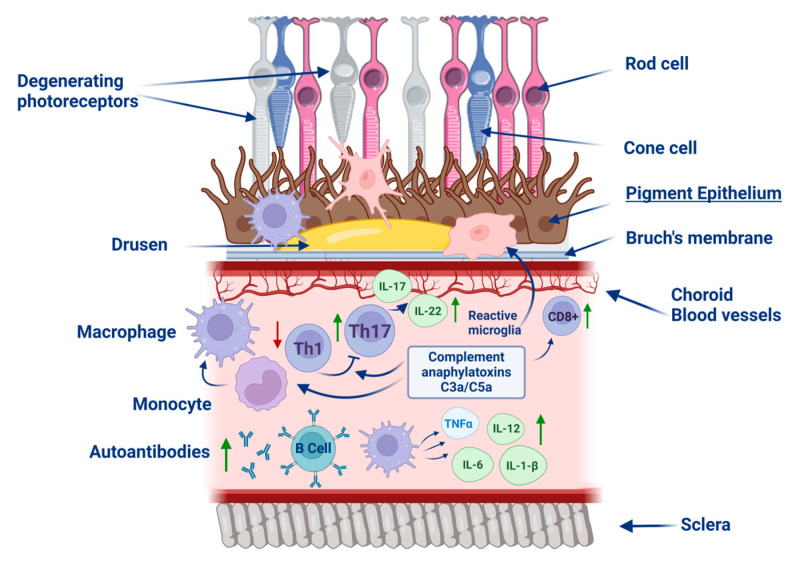
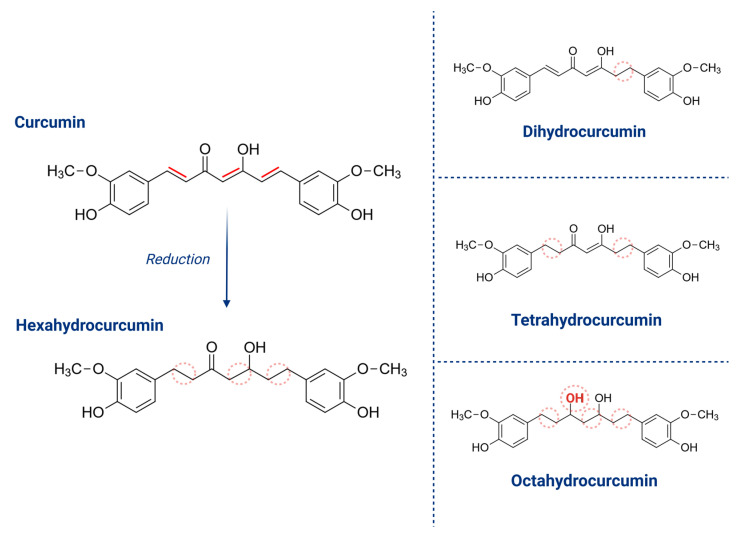
Hexahydrocurcumin (HHC), the primary metabolite of curcumin, shows promising therapeutic potential due to its antioxidant and anti-inflammatory properties. The retinal pigment epithelium (RPE) plays a crucial role in maintaining retinal homeostasis; however, its dysfunction-linked to oxidative stress and chronic inflammation-contributes to the progression of degenerative diseases such as age-related macular degeneration (AMD). This review highlights the therapeutic potential of HHC in protecting and regenerating RPE cells. It explores the effects of oxidative stress on the RPE, the mechanisms underlying its damage, and the involvement of reactive oxygen species (ROS) and inflammatory mediators. HHC has demonstrated the ability to modulate these pathways by activating nuclear factor erythroid 2-related factor 2 (NRF2), enhancing antioxidant defenses, and inhibiting pro-inflammatory cytokine production. Preclinical studies suggest that HHC mitigates vascular remodeling and endothelial dysfunction by reducing the expression of transforming growth factor β (TGF-β1) and matrix metalloproteinase-9 (MMP-9). Moreover, HHC improves nitric oxide bioavailability and promotes nitric oxide synthase expression, thereby counteracting oxidative stress-induced vascular damage. Emerging evidence indicates that HHC may be a promising candidate for the treatment of retinal degenerative diseases, particularly those associated with oxidative stress and inflammation. However, further studies, including clinical trials, are essential to confirm its efficacy and elucidate the precise mechanisms underlying HHC's protective effects on RPE cells.
六氢姜黄素(HHC)是姜黄素的主要代谢产物,因其抗氧化和抗炎特性而具有广阔的治疗潜力。视网膜色素上皮(RPE)在维持视网膜内环境稳定方面起着关键作用;然而,其功能障碍与氧化应激和慢性炎症相关,会促使诸如年龄相关性黄斑变性(AMD)等退行性疾病的进展。本综述强调了HHC在保护和再生RPE细胞方面的治疗潜力。它探讨了氧化应激对RPE的影响、其损伤的潜在机制以及活性氧(ROS)和炎症介质的参与情况。HHC已证明能够通过激活核因子红细胞2相关因子2(NRF2)、增强抗氧化防御以及抑制促炎细胞因子的产生来调节这些途径。临床前研究表明,HHC通过降低转化生长因子β(TGF-β1)和基质金属蛋白酶-9(MMP-9)的表达来减轻血管重塑和内皮功能障碍。此外,HHC可提高一氧化氮的生物利用度并促进一氧化氮合酶的表达,从而对抗氧化应激诱导的血管损伤。新出现的证据表明,HHC可能是治疗视网膜退行性疾病的一个有前景的候选药物,尤其是那些与氧化应激和炎症相关的疾病。然而,包括临床试验在内的进一步研究对于确认其疗效以及阐明HHC对RPE细胞保护作用的精确机制至关重要。