Amereh Meitham, Seyfoori Amir, Shojaei Shahla, Lane Sarah, Zhao Tian, Shokrollahi Barough Mahdieh, Lum Julian J, Walter Patrick, Akbari Mohsen
Laboratory for Innovations in Micro Engineering (LiME), Department of Mechanical Engineering, University of Victoria, Victoria, BC, V8P 5C2, Canada.
Department of Human Anatomy and Cell Science, Max Rady College of Medicine, Rady Faculty of Health Sciences, University of Manitoba, Winnipeg, MB, R3T 2N2, Canada.
Adv Sci (Weinh). 2025 May;12(20):e2412505. doi: 10.1002/advs.202412505. Epub 2025 Apr 26.
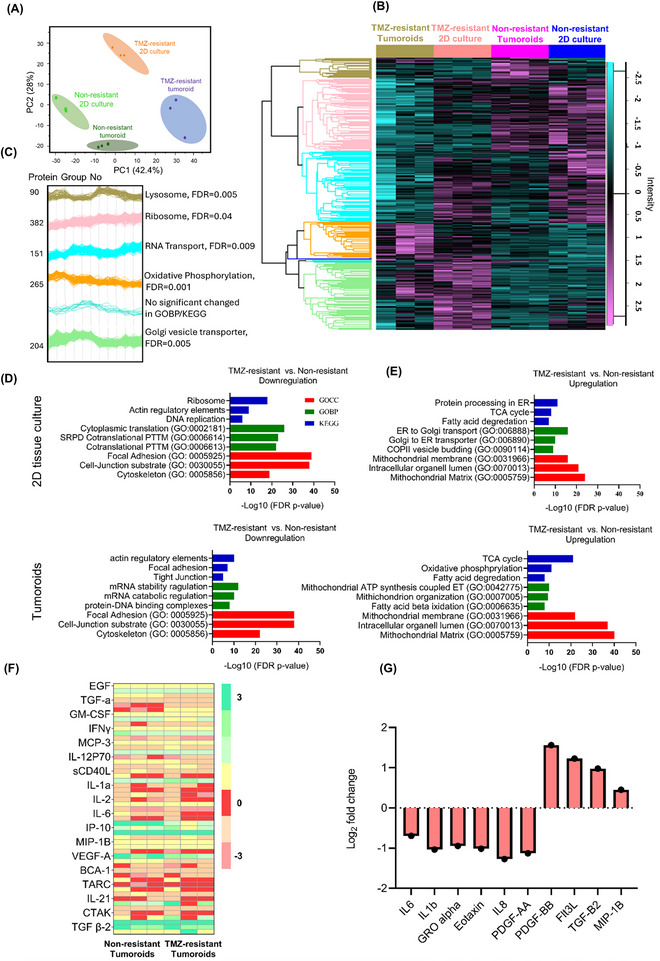
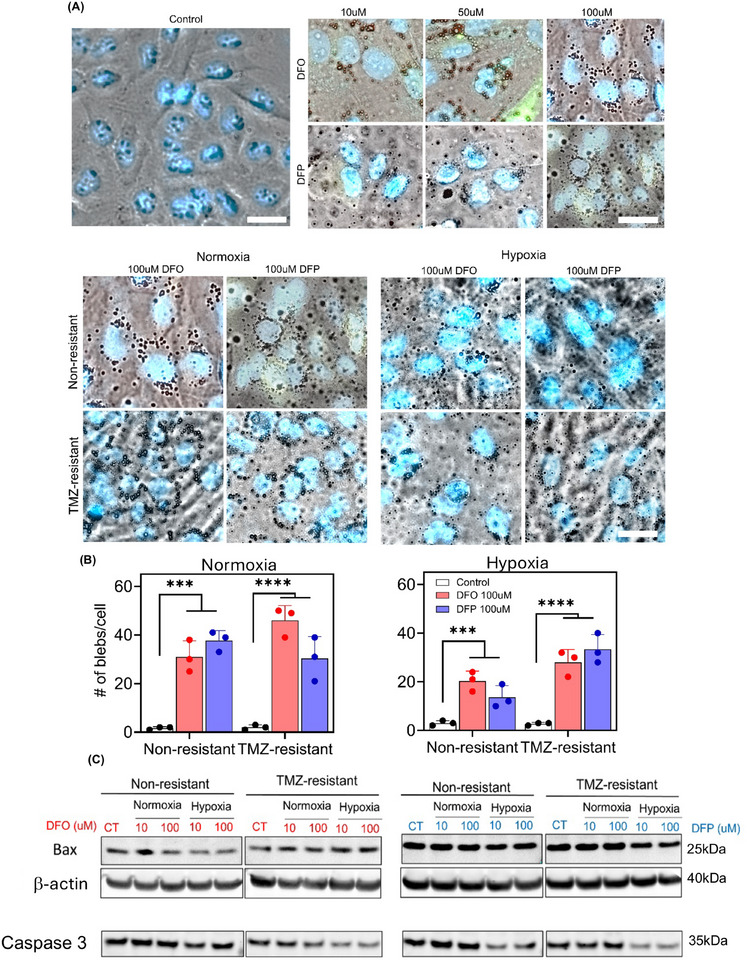
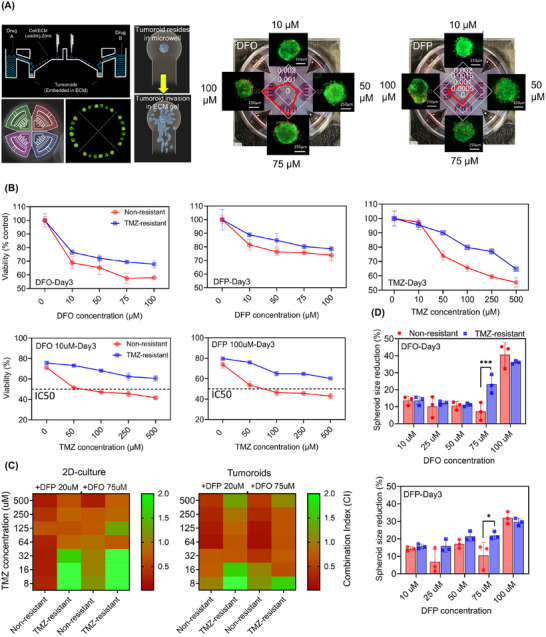
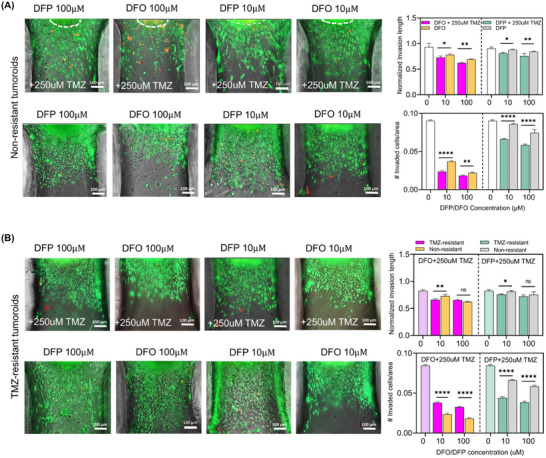
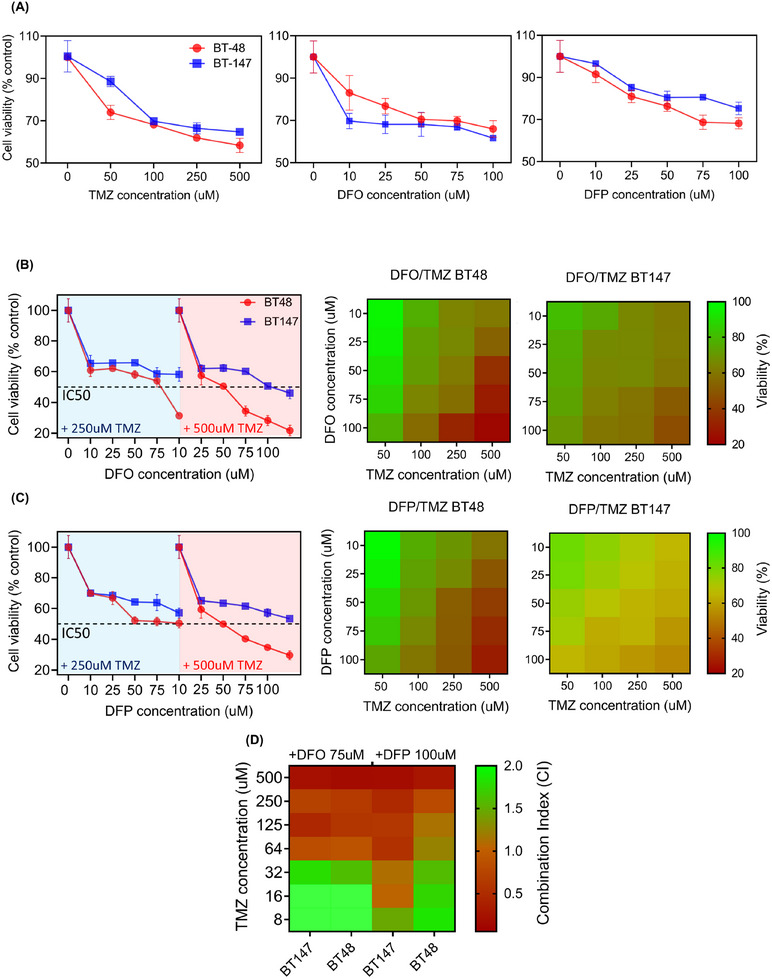
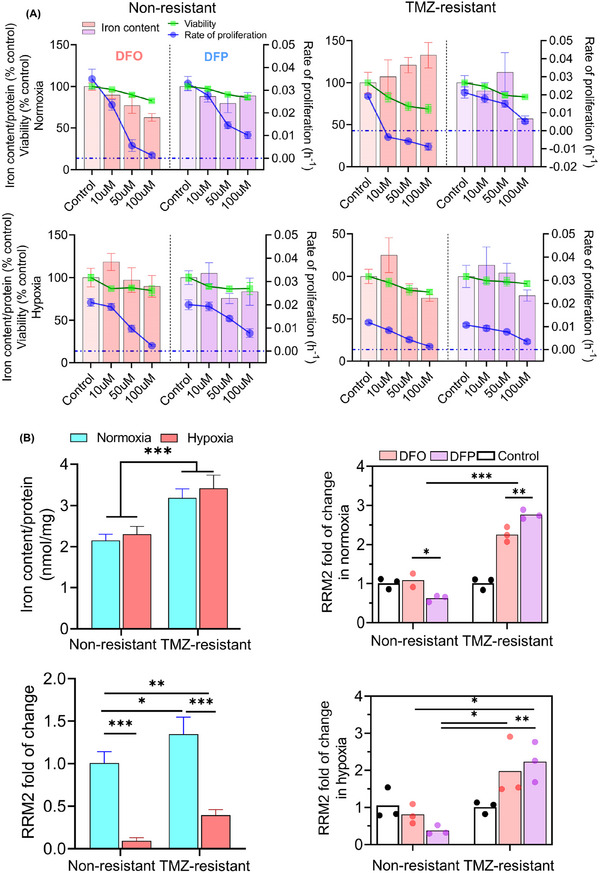
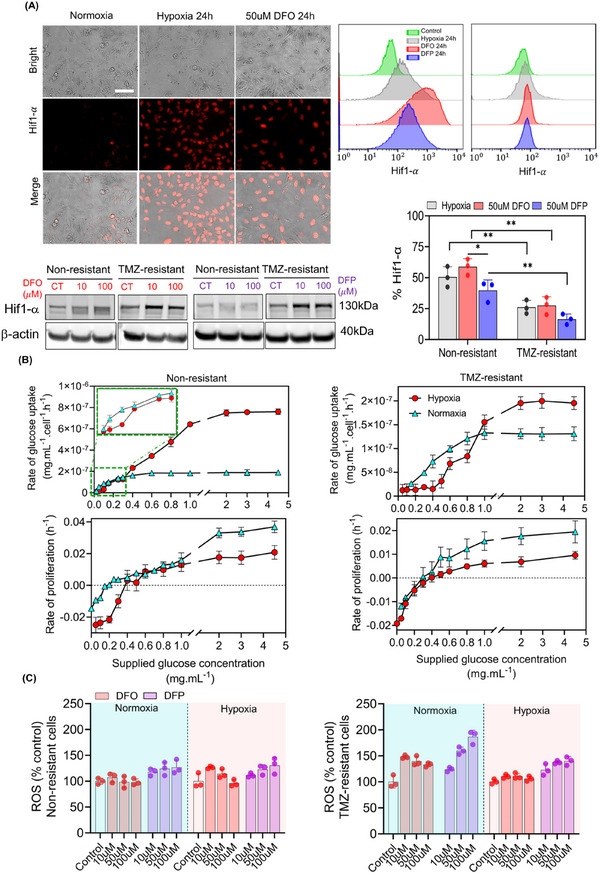
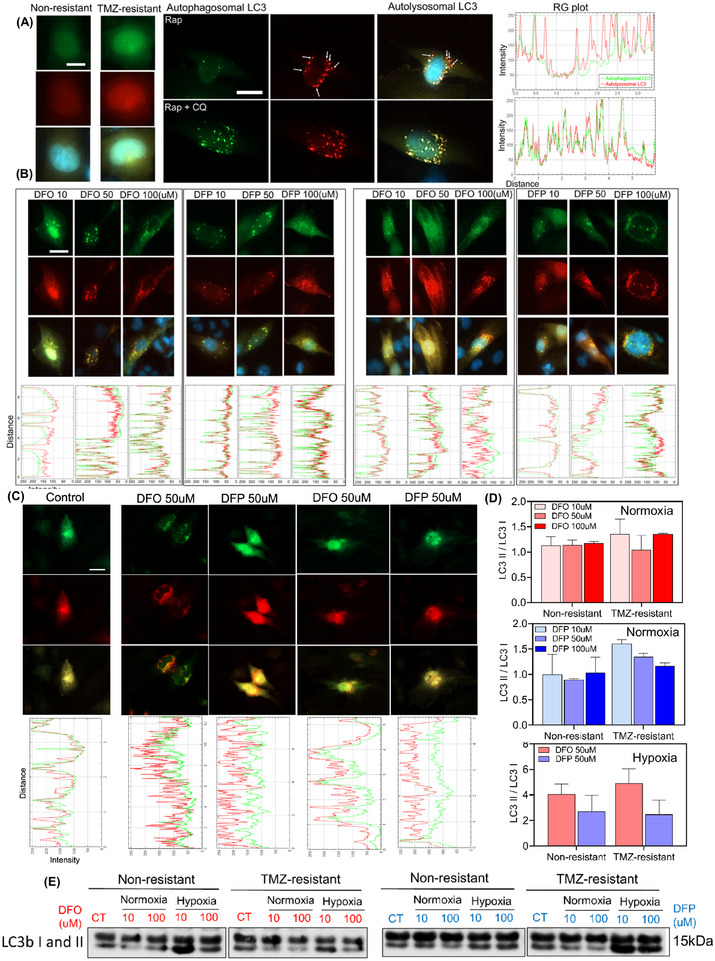
Chemoresistance poses a significant clinical challenge in managing glioblastoma (GBM), limiting the long-term success of traditional treatments. Here, a 3D tumoroid model is used to investigate the metabolic sensitivity of temozolomide (TMZ)-resistant GBM cells to iron chelation by deferoxamine (DFO) and deferiprone (DFP). This work shows that TMZ-resistant GBM cells acquire stem-like characteristics, higher intracellular iron levels, higher expression of aconitase, and elevated reliance on oxidative phosphorylation and proteins associated with iron metabolism. Using a microphysiological model of GBM-on-a-chip consisting of extracellular matrix (ECM)-incorporated tumoroids, this work demonstrates that the combination of iron chelators with TMZ induces a synergistic effect on an in vitro tumoroid model of newly diagnosed and recurrent chemo-resistant patient-derived GBM and reduced their size and invasion. Investigating downstream metabolic variations reveal reduced intracellular iron, increased reactive oxygen species (ROS), upregulated hypoxia-inducible factor-1α, reduced viability, increased autophagy, upregulated ribonucleotide reductase (RRM2), arrested proliferation, and induced cell death in normoxic TMZ-resistant cells. Hypoxic cells, while showing similar results, display reduced responses to iron deficiency, less blebbing, and an induced autophagic flux, suggesting an adaptive mechanism associated with hypoxia. These findings show that co-treatment with iron chelators and TMZ induces a synergistic effect, making this combination a promising GBM therapy.
化疗耐药在胶质母细胞瘤(GBM)的治疗中构成了重大的临床挑战,限制了传统治疗的长期疗效。在此,我们使用三维肿瘤样模型来研究替莫唑胺(TMZ)耐药的GBM细胞对去铁胺(DFO)和去铁酮(DFP)铁螯合作用的代谢敏感性。这项研究表明,TMZ耐药的GBM细胞具有干细胞样特征、细胞内铁水平升高、乌头酸酶表达增加,并且对氧化磷酸化以及与铁代谢相关蛋白质的依赖性增强。利用包含细胞外基质(ECM)包裹的肿瘤样物的GBM芯片微生理模型,这项研究证明铁螯合剂与TMZ联合使用对新诊断和复发的化疗耐药患者来源的GBM体外肿瘤样模型具有协同作用,并减小了它们的大小和侵袭性。对下游代谢变化的研究揭示,在常氧的TMZ耐药细胞中,细胞内铁减少、活性氧(ROS)增加、缺氧诱导因子-1α上调、活力降低、自噬增加、核糖核苷酸还原酶(RRM2)上调、增殖停滞并诱导细胞死亡。缺氧细胞虽然显示出类似的结果,但对缺铁的反应减弱、气泡形成减少且自噬通量诱导增加,表明存在与缺氧相关的适应性机制。这些发现表明,铁螯合剂与TMZ联合治疗具有协同作用,使这种联合疗法成为一种有前景的GBM治疗方法。